
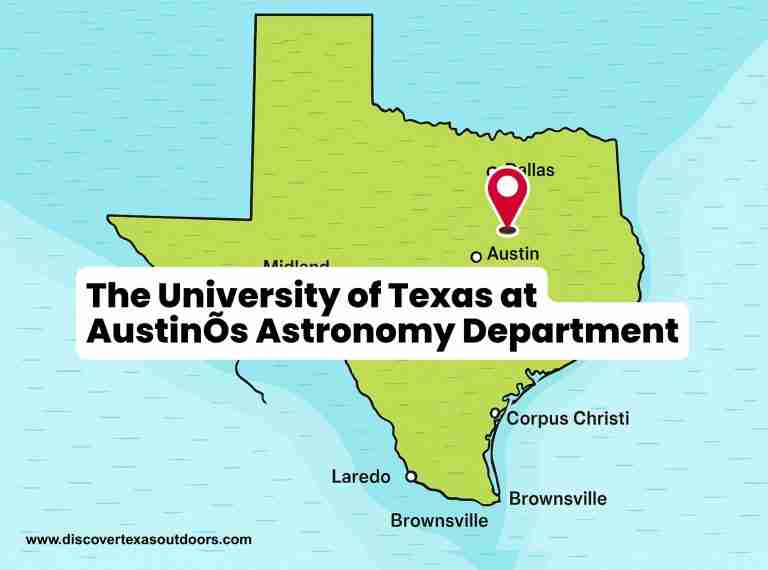
The Department of Astronomy at the University of Texas at Austin is recognized as one of the top programs in the United States. It plays a major role in advancing astronomical research and education through a blend of classroom learning, laboratory work, and hands-on observation. The department is part of the College of Natural Sciences and maintains a strong reputation for both academic excellence and research innovation. While the university itself was founded in 1883, the Astronomy Department developed over time as part of UT Austin’s growing emphasis on physical sciences during the early twentieth century.
Academic Programs and Research Areas
The department offers comprehensive undergraduate and graduate degree programs in astronomy and astrophysics. Students have access to research opportunities from their earliest years of study, working directly with faculty on cutting-edge projects. Research within the department spans nearly every area of modern astronomy. Topics include stellar evolution, galaxy formation, planetary science, cosmology, black holes, and exoplanetary systems. The department’s combination of observational and theoretical research allows students and faculty to connect physics, mathematics, and technology in meaningful ways.
The McDonald Observatory
A key part of UT Austin’s astronomical program is its connection to the McDonald Observatory in West Texas. Located on Mount Locke and Mount Fowlkes in the Davis Mountains, the observatory sits at an elevation of roughly 6,800 feet above sea level. Its remote location provides exceptionally dark skies, making it one of the premier sites in the world for ground-based astronomical research. The McDonald Observatory serves as both a research and educational facility, supporting numerous programs for students and hosting public outreach events that bring astronomy to the wider community.
The Hobby-Eberly Telescope and Other Facilities
The McDonald Observatory houses several major telescopes, including the 10-meter Hobby-Eberly Telescope (HET), one of the largest optical telescopes in the world. The HET is operated by a consortium led by the University of Texas at Austin, with contributions from partner institutions. It is used for a wide range of research, such as studying distant galaxies, stellar populations, and dark energy. The observatory also includes several smaller telescopes used for teaching, student research, and public programs. These resources give UT Austin students unparalleled access to professional-grade observational tools.
Collaboration and Faculty Excellence
Faculty members at UT Austin’s Department of Astronomy are involved in international research projects and collaborations with major observatories around the world. Their work contributes to major discoveries in astrophysics and cosmology. Many serve as principal investigators on large-scale projects, providing students with opportunities to engage in real-world scientific research. The department’s faculty and research staff are consistently recognized for their expertise, leadership, and dedication to advancing the field of astronomy.
Facilities and Architecture on Campus
The department is headquartered in the Physics, Mathematics, and Astronomy Building on the UT Austin campus. Completed in the early 1970s, the building reflects a practical and modern architectural style suited to the university’s scientific facilities. It houses classrooms, laboratories, and offices that support both teaching and research activities. The Austin campus itself is located roughly 500 to 600 feet above sea level, offering a convenient urban base for the department’s academic operations before research shifts to the high-altitude observatory in West Texas.
Photos:
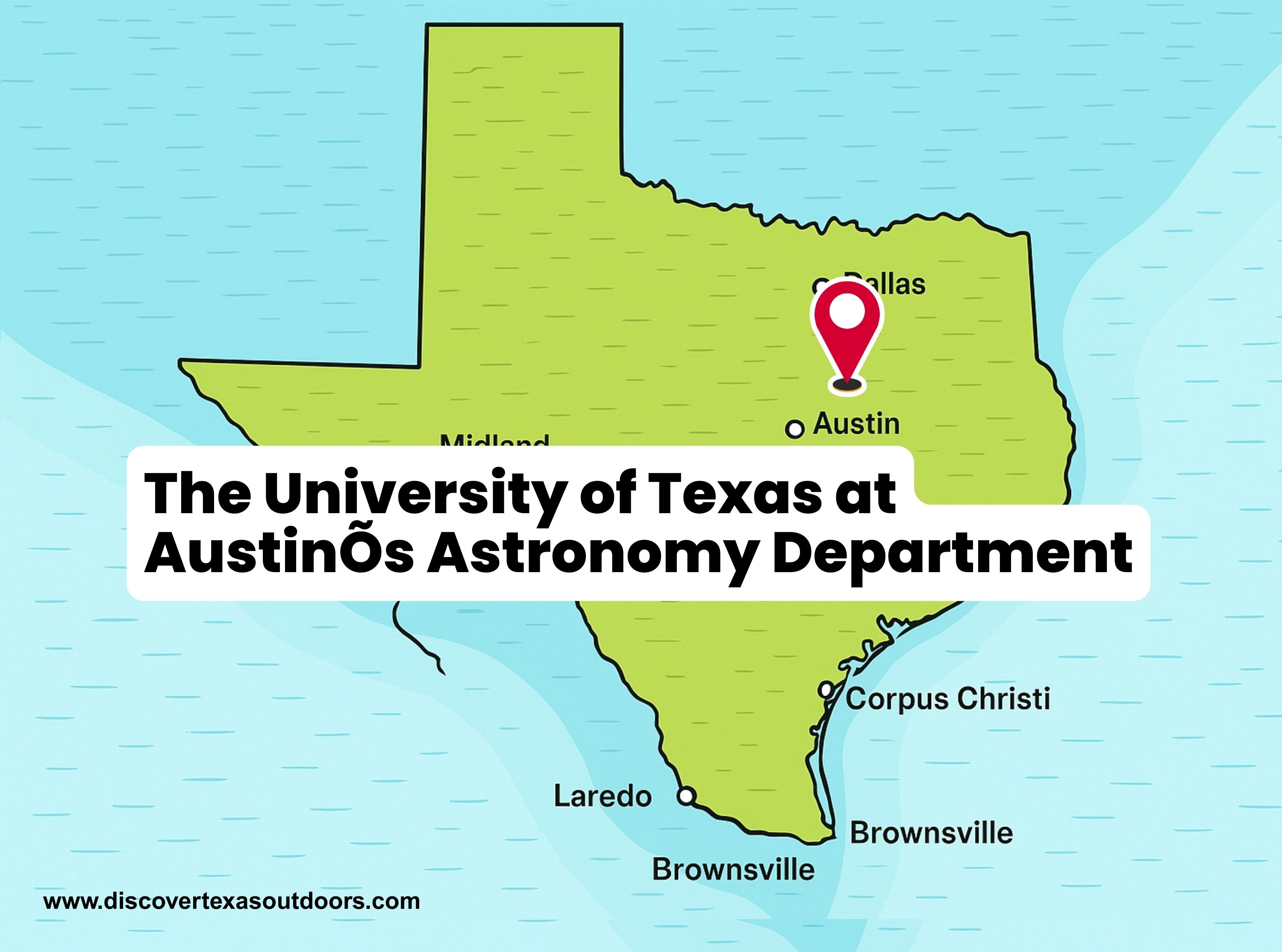
Map:
Sorry, no records were found. Please adjust your search criteria and try again.
Sorry, unable to load the Maps API.
Austin
Texas
78712
United States