
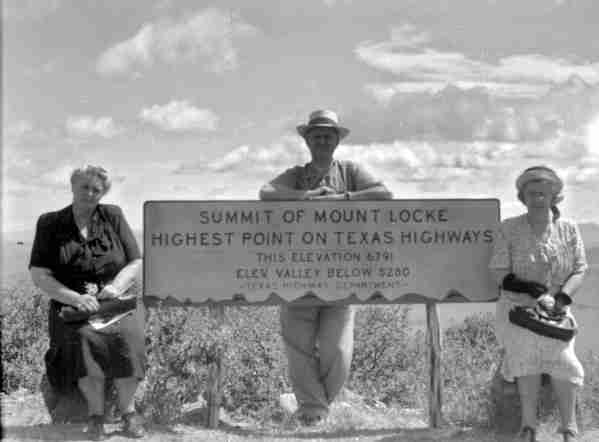
Mount Locke rises in the Davis Mountains of Jeff Davis County, Texas, standing at an elevation of about 6,790 feet. It is one of the highest peaks in the range and forms part of the scenic landscape of the Davis Mountains, a volcanic formation dating back millions of years. The area is known for its clear skies, rugged terrain, and sparse vegetation typical of high-desert mountain environments in West Texas. Mount Locke’s elevation and dry atmosphere make it an ideal site for astronomical observation, and it remains one of the most significant high-altitude locations in the state.
Home of the McDonald Observatory
Atop Mount Locke sits the McDonald Observatory, operated by the University of Texas at Austin. Established in 1932 through a donation from banker William Johnson McDonald, the observatory has become a major center for astronomical research and public education. Over the decades, it has housed a number of important telescopes, including the Otto Struve Telescope, completed in 1939, and the Harlan J. Smith Telescope, completed in 1968. These instruments have contributed to studies in stellar spectroscopy, planetary systems, and galactic structure. The observatory’s remote setting provides exceptionally dark skies, allowing astronomers to gather data with minimal light pollution.
Research and Public Engagement
The McDonald Observatory not only supports cutting-edge astronomical research but also welcomes visitors year-round. Through guided tours, star parties, and educational programs, the site introduces guests to the science of astronomy and the importance of dark-sky preservation. The visitor center offers exhibits on planets, stars, and galaxies, along with opportunities to view celestial objects through telescopes during nighttime programs. This combination of research and public outreach has made Mount Locke one of Texas’s most visited scientific landmarks.
The Setting and Natural Environment
Mount Locke lies within the Davis Mountains region, an area known for its unique ecology and wildlife adapted to the arid climate. Nearby, the Davis Mountains State Park and the Nature Conservancy’s Davis Mountains Preserve protect large tracts of this environment, home to mule deer, javelinas, and a variety of bird species. The mountain’s surrounding landscape offers scenic drives and limited hiking opportunities, though the observatory grounds themselves focus primarily on educational and research access rather than recreational trails. The region’s isolation and high elevation create one of the most tranquil and visually striking settings in Texas.
Photos:
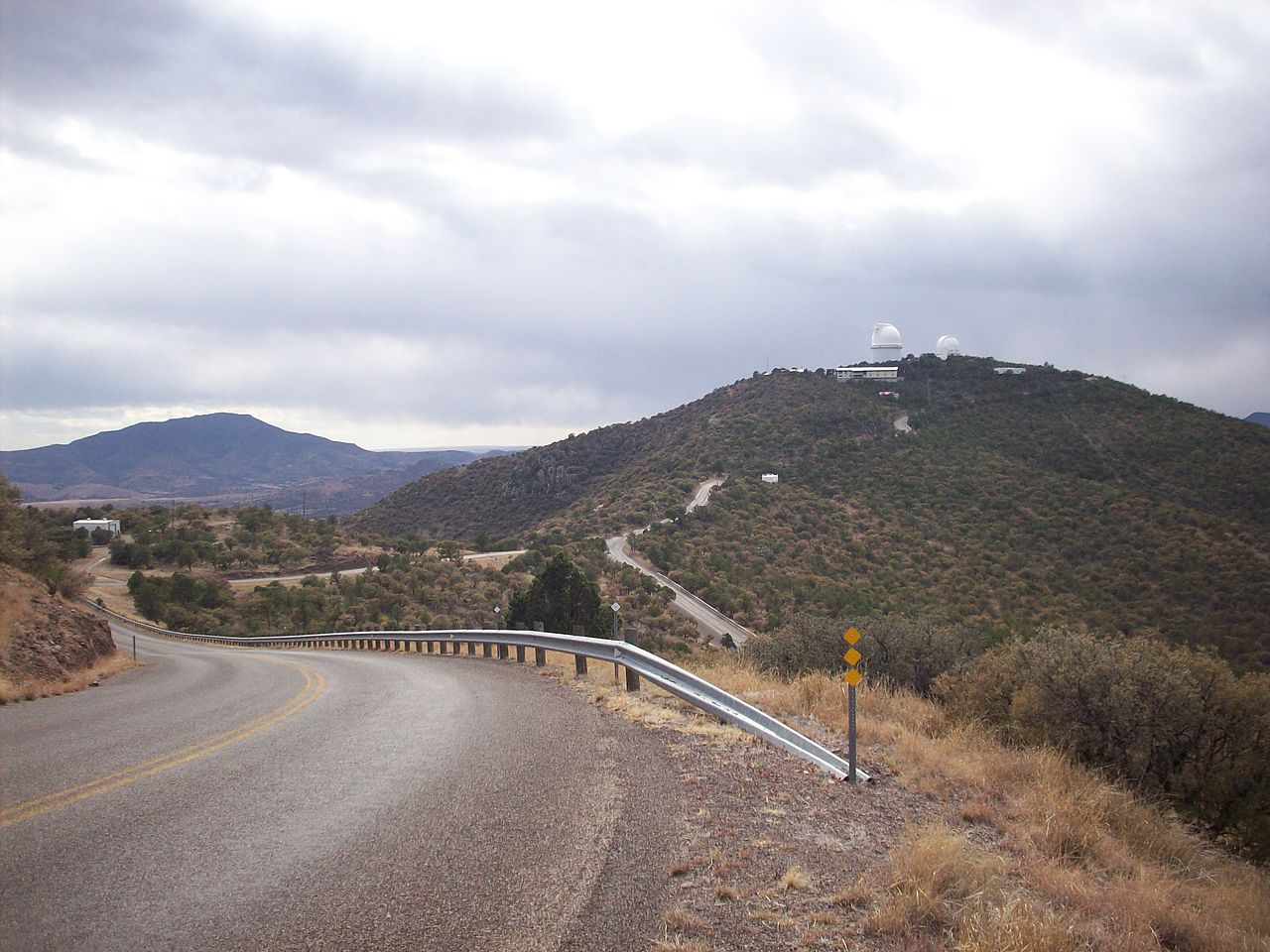
The McDonald Observatory is situated at an elevation of 2,070 m (6,790 ft).
Map:
Sorry, no records were found. Please adjust your search criteria and try again.
Sorry, unable to load the Maps API.
Fort Davis
Texas
79734
United States
No
- Stargazing
- Hiking
- Educational programs about astronomy
- Visitor center
- Restrooms
- Gift shop