
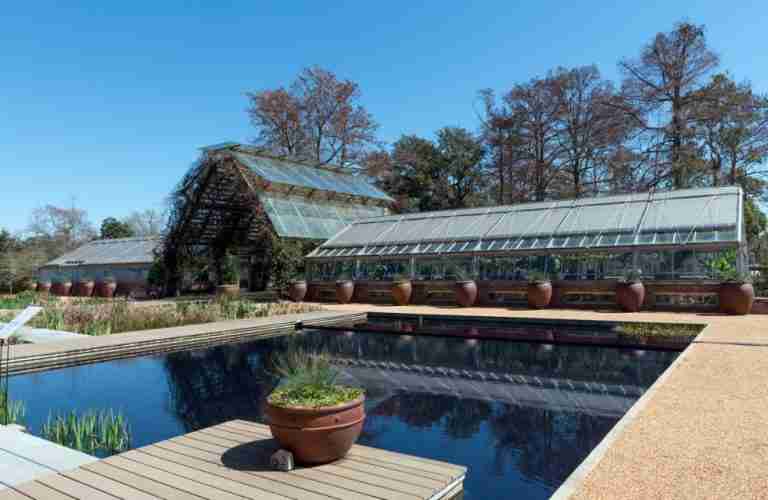
Shangri La Botanical Gardens and Nature Center is a 252-acre sanctuary located in Orange, Texas. It combines formal gardens with native ecosystems, offering visitors a balanced experience of natural beauty and thoughtful design. The property was originally envisioned by philanthropist H. J. Lutcher Stark, whose goal was to create a place where nature and people could thrive together.
History and Development
The beginnings of Shangri La date back to 1942, when H. J. Lutcher Stark started developing the site as his personal garden and nature retreat. He later opened it to the public in 1946, inviting guests to explore its landscaped gardens and natural spaces. A severe freeze in 1958 destroyed much of the plant life, forcing the gardens to close.
The site remained closed for many years until the Nelda C. and H. J. Lutcher Stark Foundation began a major restoration project. The foundation rebuilt and expanded the property, incorporating modern sustainable practices while preserving Stark’s original intent. After years of planning and reconstruction, Shangri La reopened to the public in 2009 as a center for education, conservation, and community involvement.
Design and Sustainability
Shangri La is recognized as the first project in Texas and the 50th worldwide to earn the U.S. Green Building Council’s Platinum certification for Leadership in Energy and Environmental Design (LEED-NC). This certification reflects its commitment to eco-friendly construction and operation, including water conservation systems, energy efficiency, and the use of recycled materials. The design emphasizes harmony with the surrounding landscape, creating a model for sustainable development in public gardens.
Gardens and Natural Features
The property is organized into a series of themed areas known as the Garden Rooms, each arranged to highlight color, texture, and seasonal change. The Sculpture Rooms feature plant-inspired steel artworks that blend creativity with nature. Beyond these formal spaces, the gardens transition into wetlands and wooded areas that support native wildlife.
A major feature of Shangri La is the bird blind overlooking the heronry, where visitors can observe nesting herons and other water birds. The site is home to more than 300 plant species, providing habitat for a wide variety of flora and fauna. Wetlands, cypress swamps, and native forests contribute to the site’s ecological diversity, making it both a scenic attraction and a valuable educational resource.
Educational and Visitor Facilities
The Nature Center serves as the heart of Shangri La’s educational mission. It includes the Discovery Theater for interactive presentations, classrooms for environmental programs, and outdoor learning spaces. A wetland demonstration area teaches visitors about sustainable water use and habitat restoration. The children’s garden offers hands-on opportunities for learning about plants and ecosystems in an engaging and age-appropriate way.
Community and Events
Shangri La hosts a variety of public events and educational programs throughout the year. These include seasonal celebrations and community-focused activities designed to inspire environmental awareness and appreciation for nature. Through these events, the gardens strengthen their connection with local residents while encouraging sustainable practices.
Legacy
Today, Shangri La Botanical Gardens and Nature Center continues to honor the vision of H. J. Lutcher Stark while serving as a leader in environmental education. Its blend of natural landscapes, sustainable architecture, and community engagement makes it a standout destination in Southeast Texas. The gardens remain a living example of resilience, stewardship, and dedication to preserving the beauty of the natural world.
Photos:
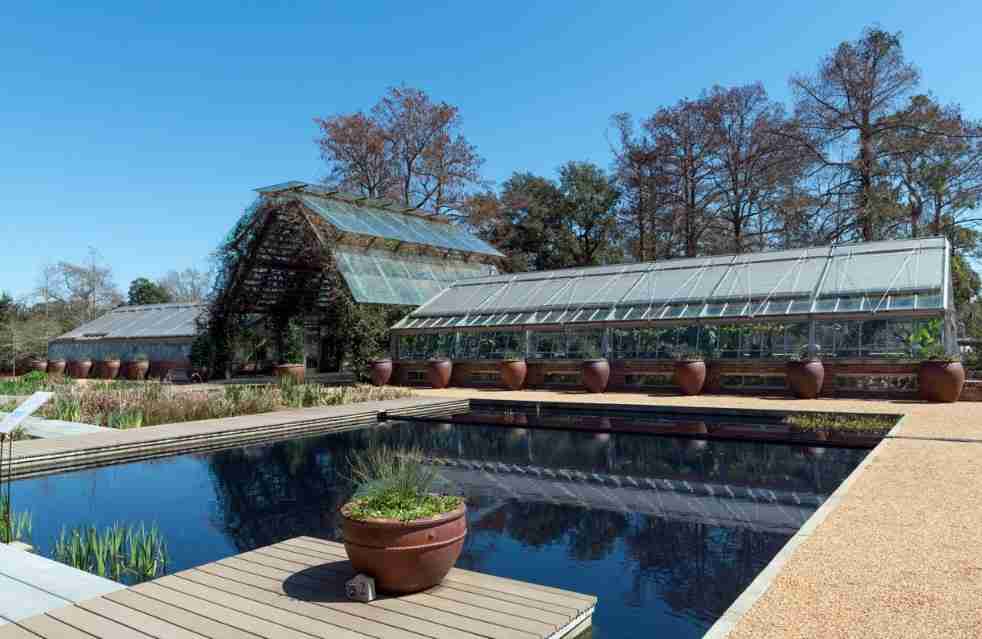
Shangri La Botanical Gardens and Nature Center
Map:
Sorry, no records were found. Please adjust your search criteria and try again.
Sorry, unable to load the Maps API.
Orange
Texas
77630
United States
- No; to protect wildlife and plant collections, pets are not permitted.
-
Guided Tours: Educational tours highlighting the gardens' diverse plant collections and sustainable practices.
-
Seasonal Events: Family-friendly festivals and exhibitions, including the Scarecrow Festival and Celebrate Orchids!
-
Educational Programs: Workshops and interactive exhibits designed for children and adults to learn about ecology and conservation.
-
Themed Gardens: Including the Garden Rooms and Sculpture Gardens, each offering unique horticultural displays.
-
Nature Trails: Boardwalks and paths through cypress-tupelo swamps and mixed deciduous forests.
-
Visitor Facilities: Discovery Theater, Meditation Pavilion, and Critter Motel for educational and contemplative experiences.
-
Dining and Shopping: On-site café and gift shop offering refreshments and souvenirs.
https://en.wikipedia.org/wiki/Shangri_La_Botanical_Gardens_and_Nature_Center#/media/File:Scene_from_the_252-acre_Shangri_La_Botanical_Center_and_Nature_Gardens_in_Orange,_Texas_LCCN2014630728.tif