
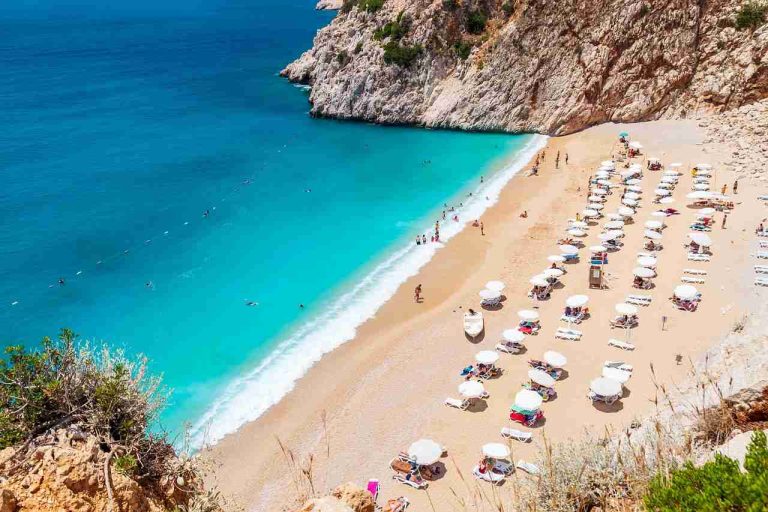
San José Island, often called “St. Jo’s,” is a privately owned barrier island situated off the Texas Gulf Coast, northeast of Port Aransas. The island stretches roughly 21 miles in length and averages about 5 miles in width. It lies just across the Aransas Pass channel from Mustang Island and is accessible only by boat from Port Aransas. The most common route is via the Jetty Boat service departing from Fisherman’s Wharf, though private vessels can also make the short trip. No vehicles are allowed on the beaches, and visitors are limited to the shoreline, as the interior of the island remains privately managed.
Natural Landscape and Wildlife
San José Island is known for its unspoiled coastline, with wide sandy beaches, natural dunes, and coastal grasslands. The island’s environment supports a range of wildlife, including shorebirds, sea turtles, and numerous fish species that inhabit nearby waters. It forms part of an important migratory path for birds along the Central Flyway, making it a favorite spot for birdwatchers and nature enthusiasts. The surrounding Gulf waters and bays are also popular for fishing, with species such as redfish, speckled trout, and flounder commonly caught in the area.
History and Ownership
The island holds an interesting place in Texas history. In July 1845, a U.S. Navy officer, Lieutenant Chandler of the USS Alabama, is reported to have raised the first American flag on Texas soil there, shortly before Texas joined the Union. Over time, the island saw limited settlement and agricultural use before becoming privately owned. In the 1930s, Texas oilman Sid W. Richardson purchased San José Island, using it as a personal retreat and a location for ranching and wildlife management. After Richardson’s death, the property passed to his nephew, Perry R. Bass, and remains under the Bass family’s ownership today.
Conservation and Modern Use
Although San José Island is not designated as a public wildlife preserve, its management focuses heavily on conservation and habitat protection. The owners have maintained the island’s natural state, allowing its dunes, marshes, and coastal habitats to thrive. Human development is minimal, and access restrictions help protect its fragile ecosystems. For visitors arriving by boat, the island offers solitude and scenic beauty unmatched on the Texas coast. Activities are largely nature-centered, with beachcombing, birdwatching, and fishing providing quiet enjoyment of its pristine setting.
Photos:

Beaches
Map:
Sorry, no records were found. Please adjust your search criteria and try again.
Sorry, unable to load the Maps API.
Texas
Texas
United States
Pets are not permitted on the island to protect the delicate ecosystems and wildlife habitats.
-
eachcombing: The island's shores are renowned for an abundance of unique shells, attracting collectors and casual beachgoers alike.
-
Birdwatching: With its diverse avian population, the island offers exceptional birdwatching opportunities, especially during migration seasons.
-
Fishing: Anglers can enjoy surf fishing along the island's extensive beachfronts, with the potential to catch a variety of Gulf species.
San José Island remains undeveloped, offering no public facilities, restrooms, or shelters. Visitors should come prepared with necessary supplies, including water, sun protection, and any required equipment for planned activities. It's also essential to adhere to Leave No Trace principles to maintain the island's pristine condition.