

Sam Houston National Forest lies about 50 miles north of Houston, Texas. It covers approximately 163,037 acres across Montgomery, Walker, and San Jacinto counties. The forest is one of four national forests in Texas and is managed by the United States Forest Service.
Natural Landscape and Ecosystem
Situated within the pine woods region of East Texas, the forest features a mix of loblolly and shortleaf pines, hardwood bottomlands, and wetland corridors. Its soils and terrain are part of the Gulf Coastal Plains, composed of clay, sand, and shale layers shaped over millennia. Several drainage systems feed into the forks of the San Jacinto River, and part of the forest drains toward Lake Livingston.
Trails and Recreation
The Lone Star Hiking Trail, stretching about 129 miles, passes through much of Sam Houston National Forest. Recognized as a National Recreation Trail, it is regarded as the longest continuous hiking footpath in Texas. The forest also maintains around 85 miles of multi-use trails open to hiking, mountain biking, horseback riding, and registered off-highway vehicles on designated loops.
Water and Lakes
The forest is bordered and supported by several bodies of water that enhance its recreational appeal. Lake Conroe, located along the west fork of the San Jacinto River, offers boat access, fishing areas, and camping sites. Lake Livingston lies near the northeastern boundary, providing additional opportunities for boating, fishing, and wildlife observation.
Wildlife and Habitat
Sam Houston National Forest provides habitat for a wide range of wildlife species. It is home to the endangered red-cockaded woodpecker, whose population is closely monitored for conservation. White-tailed deer, squirrels, and migratory birds, including wintering bald eagles, are also found throughout the forest. Its blend of pine forests, wetlands, and hardwood bottoms supports one of the most diverse ecosystems in East Texas.
Camping and Facilities
Several developed recreation areas within the forest cater to visitors seeking overnight stays or day use. The Cagle Recreation Area on the shore of Lake Conroe and the Double Lake Recreation Area to the east provide campgrounds for both RVs and tents, as well as picnic sites and nature trails. Primitive camping is allowed in some locations, depending on seasonal restrictions and hunting regulations.
Historical and Cultural Context
Named after Sam Houston, one of Texas’s most influential historical figures, the forest carries cultural as well as natural significance. Archaeological evidence shows human habitation in this region for as long as 12,000 years, with artifacts and sites attributed to various Native American cultures that once occupied the area.
Management and Access Considerations
Sam Houston National Forest is managed with a focus on multiple uses, balancing recreation, timber, water resources, and wildlife habitat. It remains the only national forest in Texas that allows motorized vehicles on designated trails. To prevent environmental damage, OHV users must comply with registration rules and trail closures following heavy rains. Hunting is permitted under the management of the Texas Parks and Wildlife Department in cooperation with the Forest Service.
Planning Your Visit
Mild seasons such as spring and early autumn provide the most comfortable conditions for hiking and camping. Summer temperatures can be high, while some camping areas and trails may close during deer-hunting season or after periods of rain. Visitors are encouraged to check for updates and safety advisories before their trip to ensure an enjoyable and responsible visit.
Photos:
Sam Houston National Forest
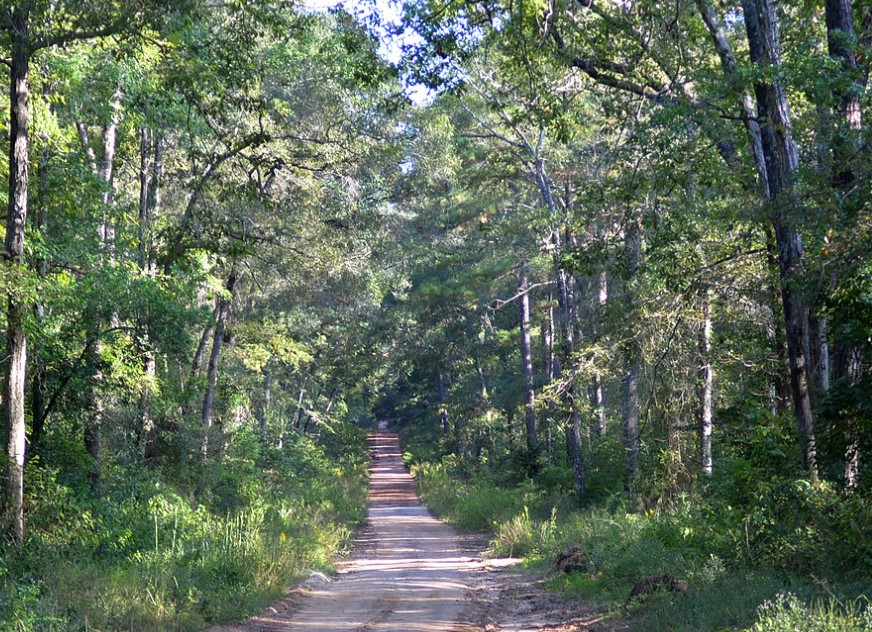
Sam Houston National Forest
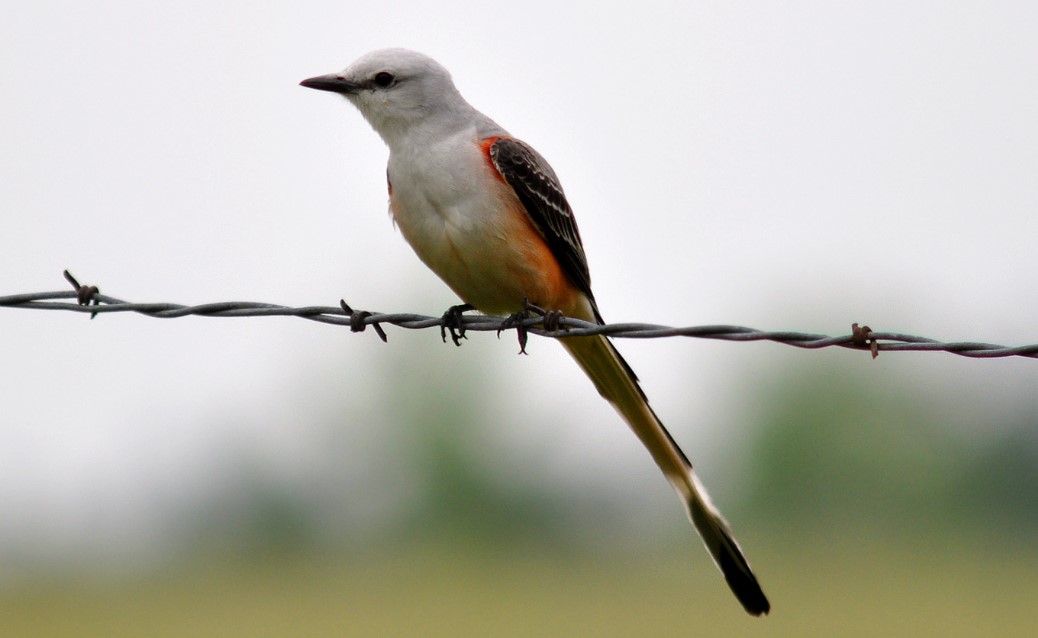
Sam Houston National Forest
Map:
Sorry, no records were found. Please adjust your search criteria and try again.
Sorry, unable to load the Maps API.
New Waverly
Texas
77358
United States
Yes, pets are welcome but must be kept on a leash. They are not allowed at Scott's Ridge Recreation Area.
-
Hiking: Explore various trails, including the Lone Star Hiking Trail.
-
Camping: Both developed campgrounds and primitive sites are available.
-
Fishing: Opportunities in lakes and streams within the forest.
-
Hunting: Permitted in designated areas during appropriate seasons.
-
Wildlife Viewing: Birdwatching and observing native wildlife.
-
Campgrounds: Equipped with picnic tables, fire rings, and restrooms.
-
Picnic Areas: Designated spots with tables and grills.
-
Boat Ramps: Access to lakes for boating and fishing.
-
Visitor Information Centers: Provide maps, permits, and educational materials.