Salt Flat, Texas, began in 1928 when Ed (Edwin W.) Hammack, a local entrepreneur, learned from highway surveyors that a new route would connect El Paso to Carlsbad Caverns. Seeing an opportunity, he built a combination store and gas station, which opened in 1929. Around the same time, Arthur Grable established a competing business nearby. Both entrepreneurs later added cafes and tourist courts, offering early motel-style accommodations for travelers. Hammack’s store also served as a bus station, linking the community to regional travel networks.
Aviation and the Emergency Landing Field
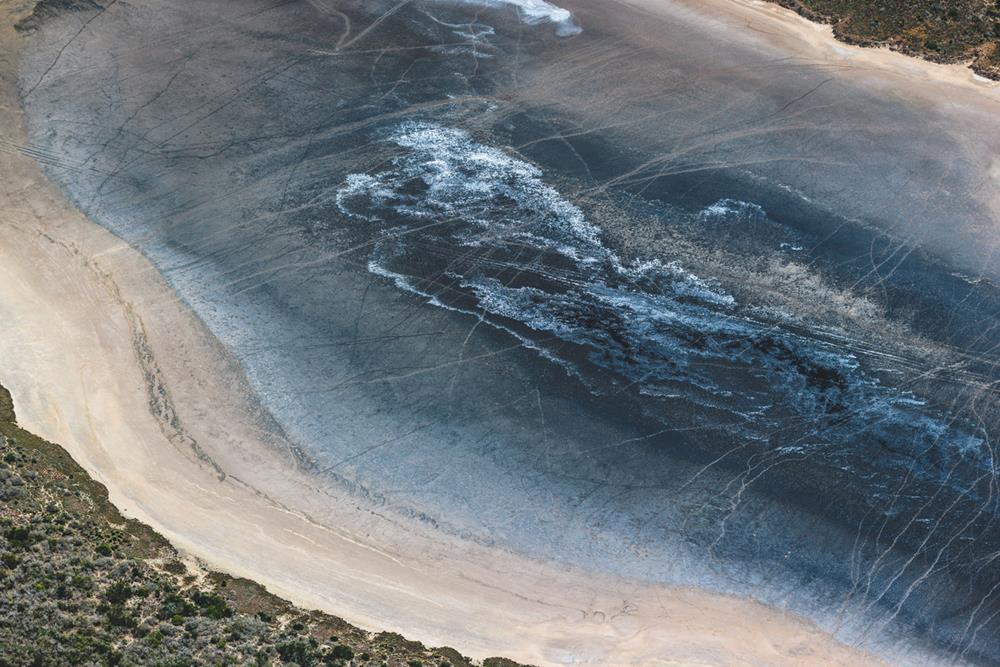
In 1932, after an airplane accident in the area, the federal government built an emergency landing strip near Salt Flat. This airfield operated continuously as part of a system of emergency landing fields across the United States. It provided a safe stopover for pilots in distress, and it was equipped for 24-hour use. The field remained in operation until the early 1960s, when improvements in aircraft range and navigational technology made such emergency stops unnecessary.
Growth and Population
Salt Flat saw its population peak in the early 1960s at around 125 residents. Businesses such as the roadside cafes, tourist courts, and the bus station served both locals and travelers heading to Carlsbad Caverns and Guadalupe Mountains. However, by 1970, the population had dropped to about 35 residents. Sources note that the population held at this level through 2000, reflecting a long-term decline from its mid-century activity.
Post Office and Later Decline
A post office opened in Salt Flat in 1930, providing official recognition of the community. It remained in service for decades, even as the town’s population decreased. In January 2004, the post office was permanently closed, marking the end of an era for the small community.
Present-Day Remnants
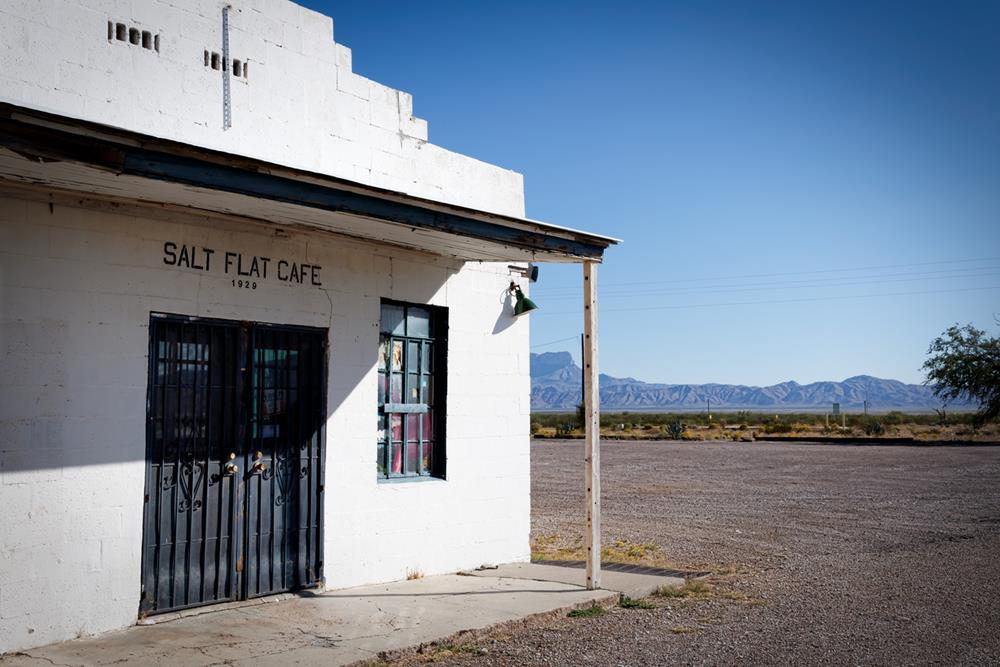
Today, Salt Flat contains only a handful of structures. Among the most visible are the abandoned 1929 café and tourist court buildings, reminders of its heyday as a roadside stop. A Greyhound bus stop continues to operate on demand; buses stop if passengers signal, maintaining a small but notable transportation link.
Geographic and Historical Significance
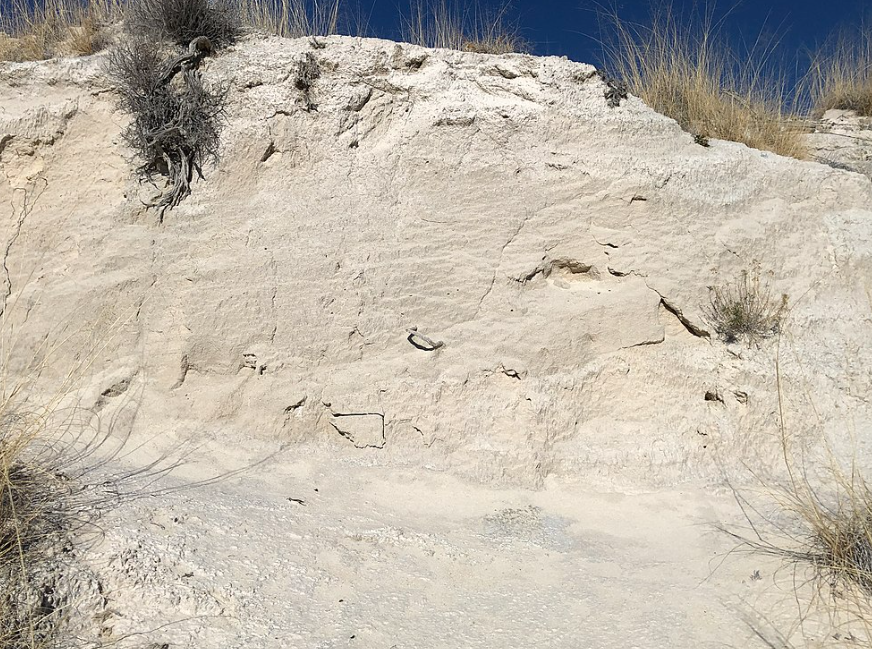
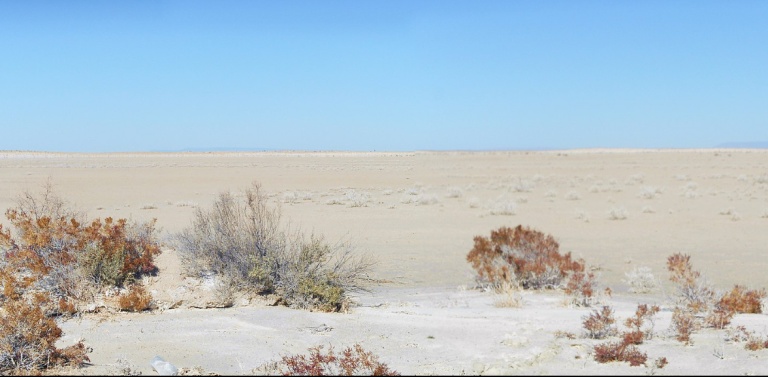
Salt Flat takes its name from the Salt Flat Playa, a broad, gypsum-rich dry lakebed that formed during the late Pleistocene epoch. This playa is one of the largest of its kind in the United States and lies at the foot of the Guadalupe Mountains.
The area is also historically tied to the San Elizario Salt War of 1877, a violent conflict over salt rights at the nearby salt lakes. For decades, Hispanic residents had freely collected salt from the area. In the late 19th century, disputes arose when private land claims and new ownership attempted to restrict access. Tensions escalated into armed conflict, resulting in casualties estimated at a dozen to as many as thirty. The U.S. Army and Texas Rangers intervened, but the conflict left lasting scars on the region’s history.
Photos:
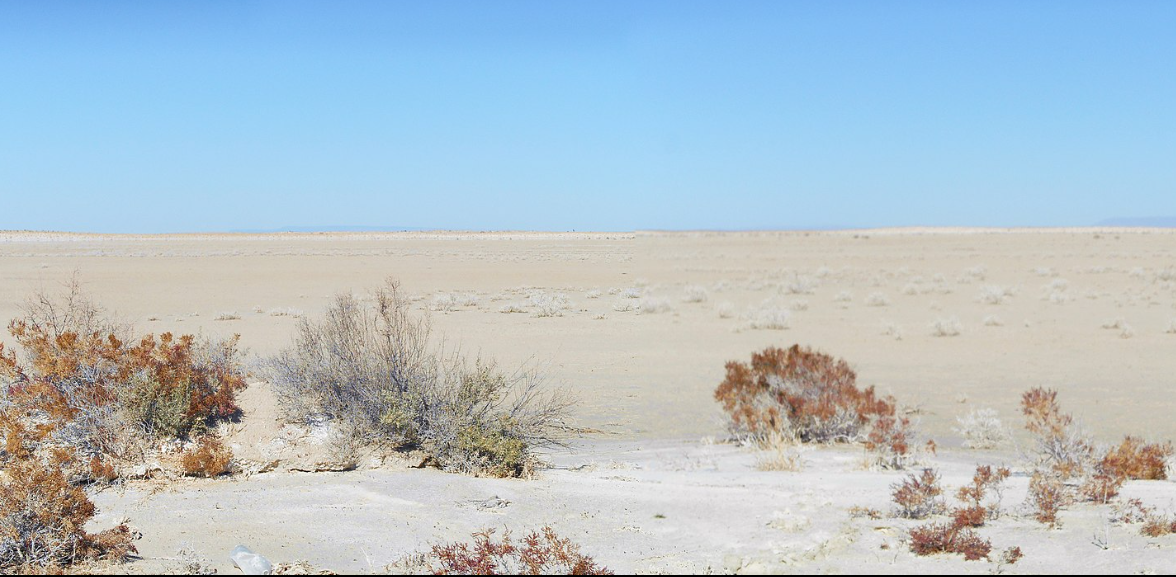
Salt Flat