

Sabine Lake is a large estuary located on the border between southeastern Texas and southwestern Louisiana, opening into the Gulf of Mexico through Sabine Pass. It spans roughly 183 square kilometers, or about 70 square miles, and stretches approximately 22 kilometers (14 miles) long and 11 kilometers (7 miles) wide. The lake receives the waters of both the Sabine and Neches Rivers and forms an essential part of the Sabine–Neches Waterway and the Gulf Intracoastal Waterway. These waterways support significant commercial navigation and serve as a gateway between inland ports and the Gulf.
Surrounding Region
The western shore of Sabine Lake borders the city of Port Arthur, Texas, a major industrial and shipping hub. Across the state line, much of the eastern shore in Louisiana lies within the Sabine National Wildlife Refuge, one of the largest coastal marsh refuges in the United States. This protected area provides critical habitat for migratory birds, fish, and other wildlife. Together, the lake and its surrounding wetlands represent an important ecological and economic zone that bridges two states.
Ecology and Wildlife
Sabine Lake’s mix of salt and freshwater creates a productive estuarine environment. Its ecosystem supports a wide variety of aquatic species, including spotted seatrout, southern flounder, red drum, black drum, sheepshead, and gafftopsail catfish. Commercial fishing in the lake primarily focuses on blue crab and several species of shrimp. The lake’s muddy bottom and lack of natural reef formations make it unsuitable for sustaining oyster beds, and water quality issues have long prevented legal oyster harvesting.
The surrounding wetlands and marshes provide habitats for American alligators, brown pelicans, river otters, and several species of herons and egrets. Sea turtles occasionally venture into the lower estuary, particularly during warmer months. These environments are part of the larger Sabine–Neches estuarine complex, which plays a vital role in supporting Gulf Coast biodiversity.
Human History
The area around Sabine Lake has supported human activity for over a thousand years. Indigenous peoples, including the Atakapa and related groups, relied on the lake and its marshes for food and transportation. European contact began in the early 18th century when French and Spanish explorers mapped the area while competing for control of the Gulf Coast.
By the early 19th century, the remote waters of Sabine Lake and Sabine Pass became known for smuggling and piracy. The French privateer Jean Laffite and his associates are believed to have used the region as a refuge and staging point for illegal trade, including slave smuggling, following the outlawing of the transatlantic slave trade in the United States.
Industry and Economy
Today, Sabine Lake is at the heart of Texas’s “Golden Triangle,” a term describing the industrial region formed by the cities of Beaumont, Port Arthur, and Orange. This area hosts one of the largest concentrations of petrochemical facilities and refineries in the country. The Sabine–Neches Waterway supports deep-water ports that handle crude oil, liquefied natural gas, and other energy exports vital to the Texas and U.S. economies.
While industrial activity defines much of the human use of Sabine Lake, efforts continue to balance economic development with environmental stewardship. Restoration projects and wildlife management programs focus on improving water quality, reducing erosion, and maintaining the health of nearby marshlands.
Recreation and Modern Use
Sabine Lake also attracts anglers, boaters, and birdwatchers. Fishing is a year-round activity, with charter services operating out of Port Arthur and nearby Sabine Pass. The lake’s proximity to the Sabine National Wildlife Refuge makes it a destination for nature enthusiasts seeking to view migratory waterfowl and coastal species in their natural setting.
Though shaped by centuries of human activity, Sabine Lake remains a living example of the Gulf Coast’s natural and industrial interconnection. Its waters link ecosystems, economies, and cultures across the Texas–Louisiana border, reflecting both the challenges and rewards of life along the coast.
Photos:
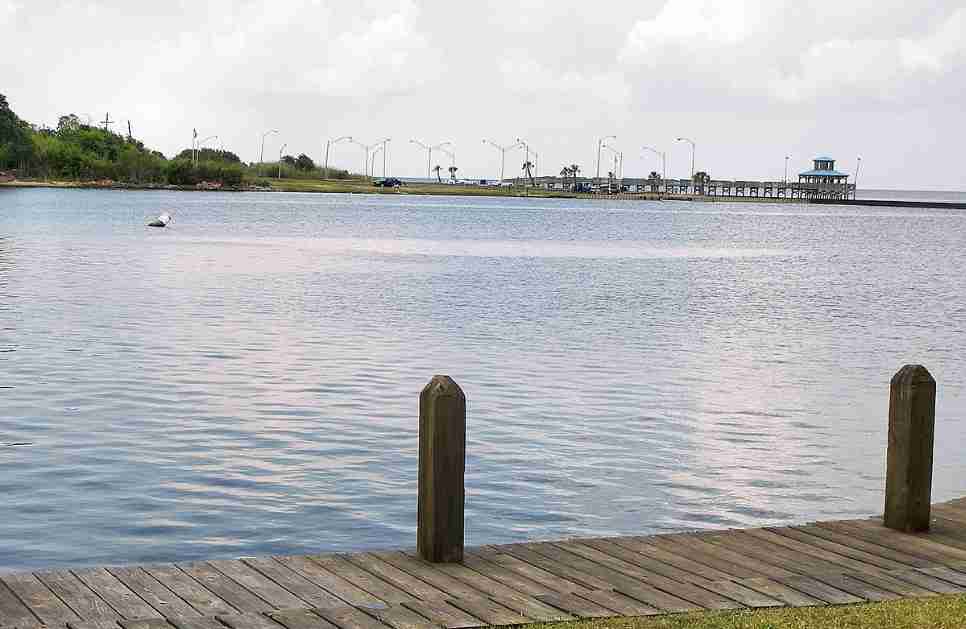
Sabine Lake
Map:
Sorry, no records were found. Please adjust your search criteria and try again.
Sorry, unable to load the Maps API.
Houston
Texas
77640
United States
Policies regarding pets vary by location around the lake. It's advisable to check specific regulations for each area or facility.
-
Fishing (both recreational and guided trips)
-
Boating and kayaking
-
Birdwatching and wildlife observation
-
Duck hunting (seasonal)
-
Lodging facilities such as the Sabine Lake Lodge
-
Boat ramps and docks
-
Picnic areas
-
Guided fishing services
Larry D. Moore, Sabine lake 2007, CC BY 4.0