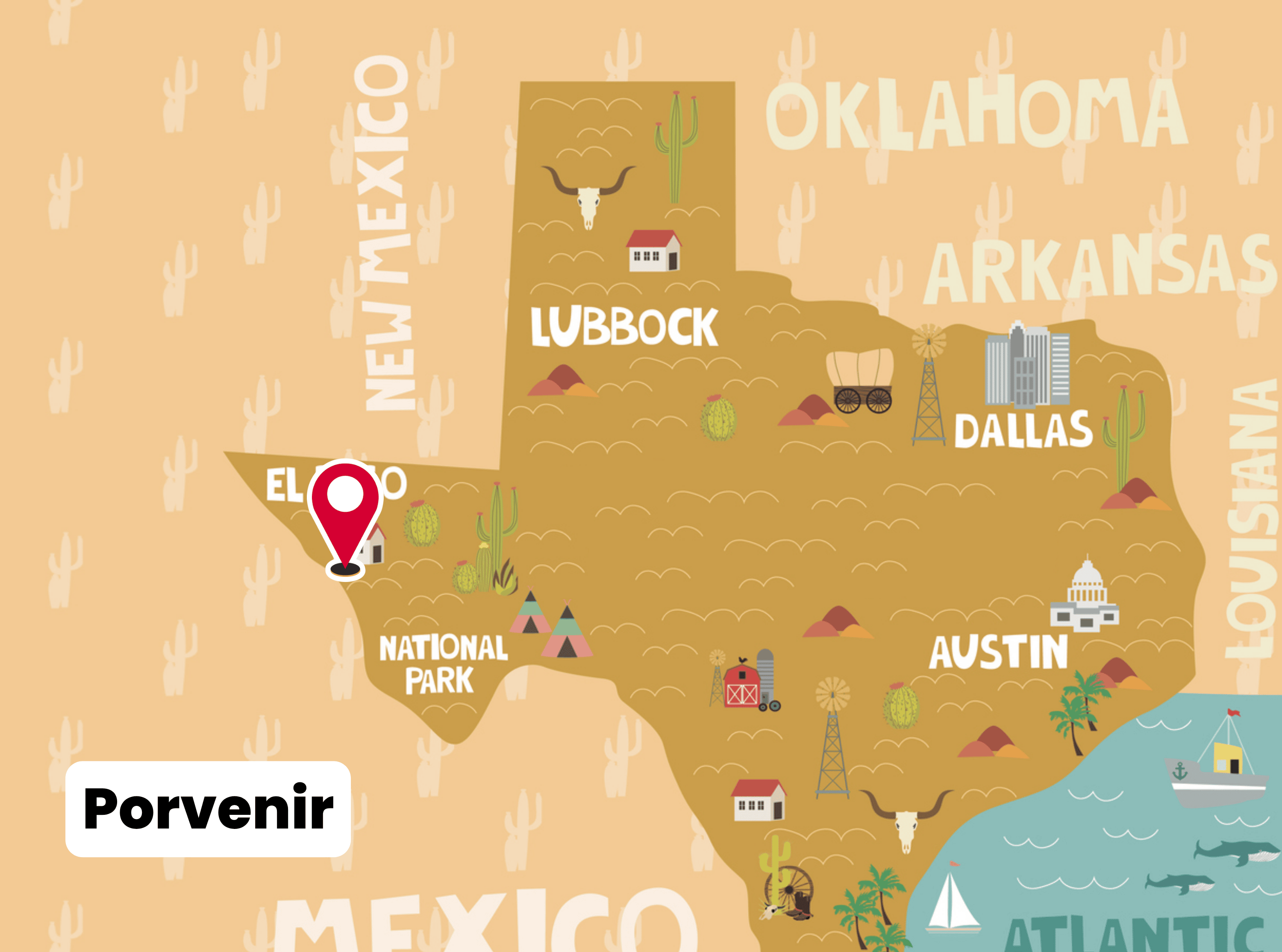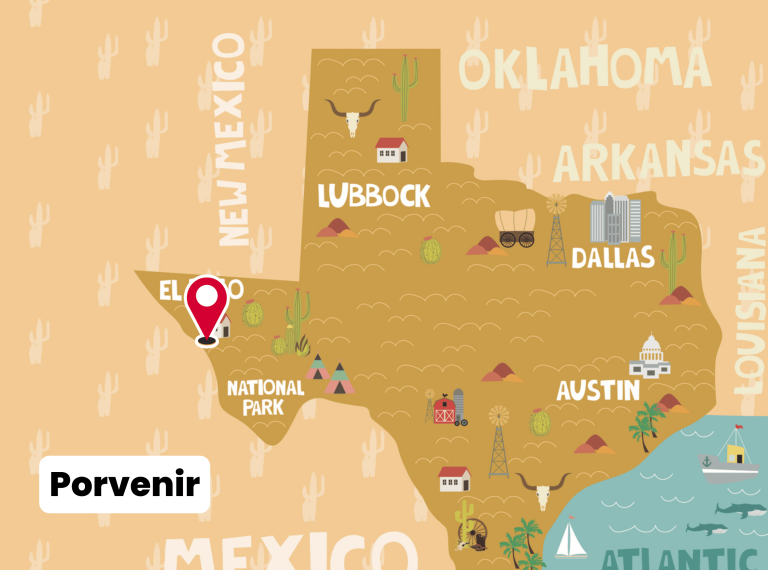
Porvenir was a small farming and ranching settlement along the Rio Grande in Presidio County, far West Texas. It became the site of one of the darkest episodes in Texas border history: the Porvenir Massacre of January 28, 1918.
The Massacre

In the early hours of January 28, 1918, a force of Texas Rangers (Company B), U.S. Cavalry soldiers from Troop G of the 8th Cavalry Regiment, and local ranchers entered Porvenir. Claiming they were searching for bandits suspected of raids in the area, they rounded up the settlement’s men and boys.
Fifteen unarmed residents—ages ranging from mid-teens to over seventy—were taken away from their families and executed without trial. Among the dead was Antonio Castañeda, age 72, and several young men under twenty. The killings were carried out in full view of the community.
The next morning, Harry Warren, the local schoolteacher, and Juan Flores, a 12-year-old boy who survived by hiding, documented the massacre site. Their testimonies and accounts from families became the first records of the event.
Aftermath and Abandonment
In the wake of the massacre, fear gripped Porvenir. About 140 residents left the settlement, most crossing into Mexico for safety. Porvenir was effectively abandoned, and the site later became a ghost town.
Investigations followed, including the 1919 Canales Investigation of the Texas Rangers, which brought statewide attention to abuses by Rangers along the border. As a result:
-
Company B was disbanded.
-
Several Rangers were dismissed.
-
No one, however, faced criminal charges.
The lack of justice deepened mistrust between Mexican-American residents and state authorities during an already violent period.
Historical Reckoning
For decades, the Porvenir Massacre remained a largely hidden chapter of Texas history. The Rangers’ official report omitted mention of the executions, framing the incident as a clash with bandits. Families of victims preserved the story through oral tradition.
Modern scholarship, survivor testimony, and archaeological investigations have since confirmed the brutality. In 2015, archaeologists uncovered bullets and cartridges at the site that matched accounts of the executions. Survivors like Juan Flores gave later-life testimony, ensuring the story was not forgotten.
In 2018, exactly one hundred years after the killings, the Texas Historical Commission erected a state marker at the site under its “Undertold Stories” program. The marker honors the fifteen victims by name and acknowledges the role of state forces in their deaths.
Broader Context
The Porvenir Massacre was part of a larger wave of violence against Mexican Americans along the border between 1910 and 1920, a time marked by the Mexican Revolution, cross-border raids, and heightened racial tensions. Historians estimate that hundreds to thousands of Mexican Americans were killed in extrajudicial actions by law enforcement and vigilantes during this decade.
The massacre has since become a symbol of this violent era, underscoring the need for acknowledgment, reconciliation, and accurate remembrance of Texas’s border history.
Photos: