
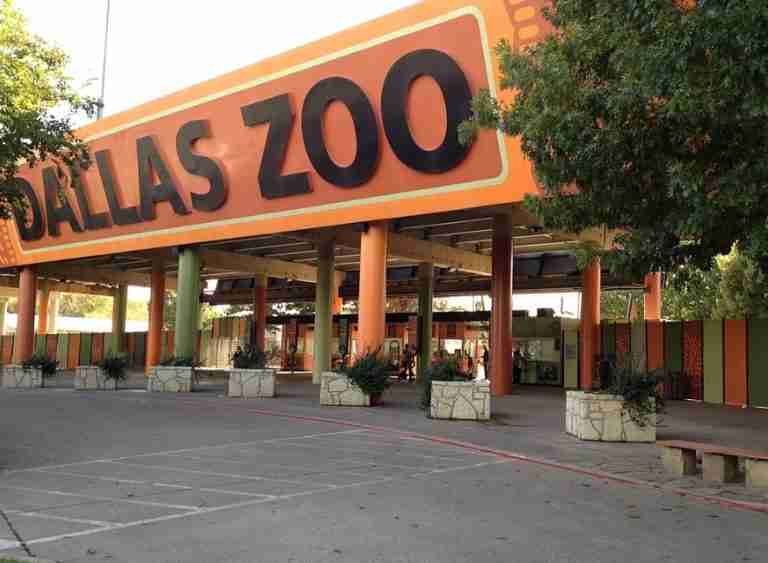
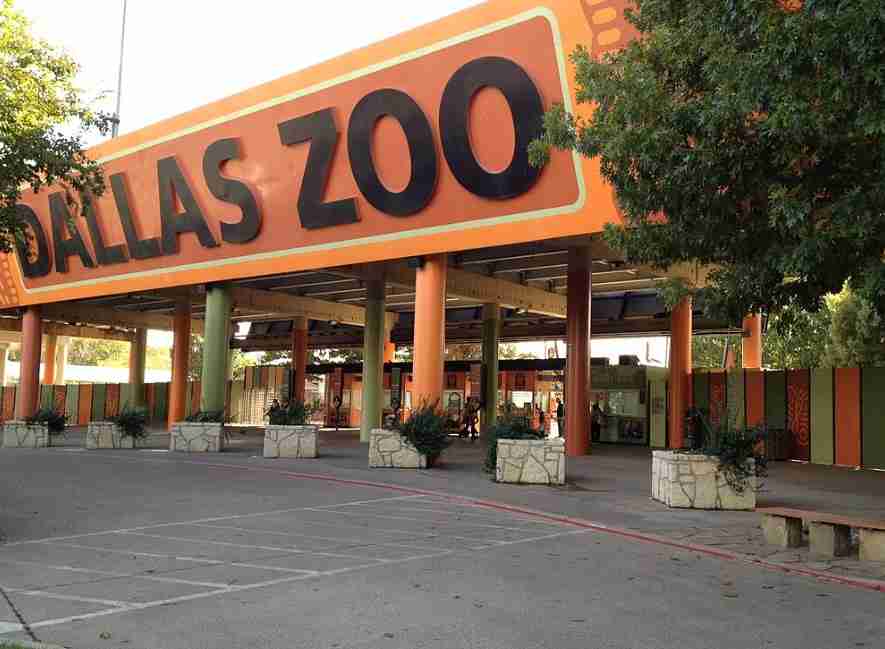
The Dallas Zoo, located just south of downtown Dallas in the Oak Cliff area, is the oldest and largest zoological park in Texas. It was founded in 1888 when the City of Dallas received two deer and two mountain lions as its first animals. Over the years, the zoo expanded from a small city exhibit into a major conservation and education center, now covering 106 acres within Marsalis Park. Its long history makes it one of the first organized zoological institutions in the southwestern United States, marking over a century of continuous operation.
Growth and Animal Collection
From its modest beginnings, the Dallas Zoo has grown into a world-class facility housing more than 2,000 animals representing over 400 species. The zoo’s animal collection spans every continent except Antarctica, emphasizing both popular and endangered species. It serves as a hub for education and wildlife research, offering guests a chance to connect with animals through thoughtfully designed exhibits and programs focused on conservation.
Exhibits and Habitats
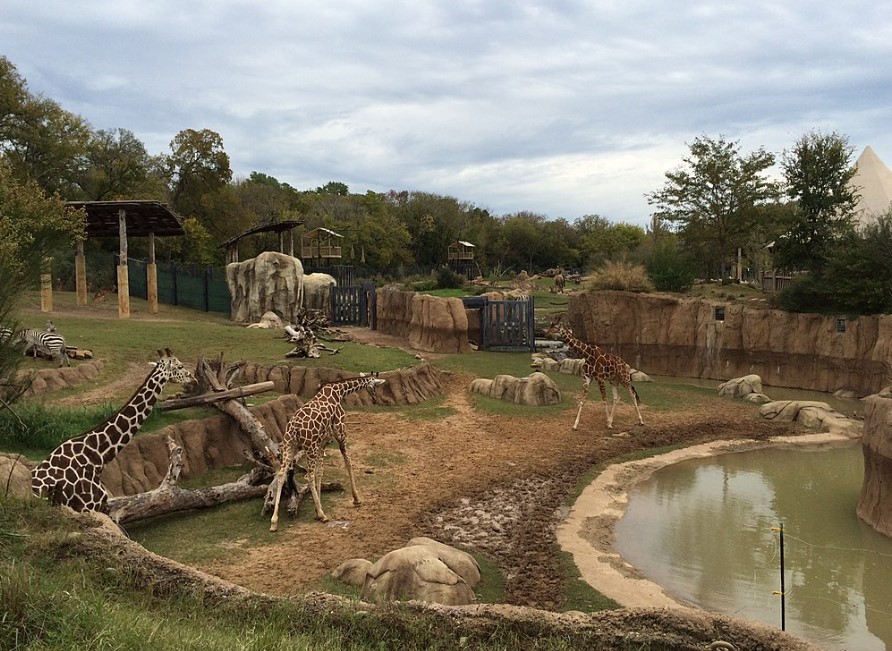
Visitors to the Dallas Zoo can explore a variety of themed habitats. The Giants of the Savanna, one of its most notable attractions, opened in May 2010 at a cost of approximately $32 million. This award-winning, multi-species habitat allows elephants, giraffes, zebras, and other African animals to share an open environment that mimics the African savanna. The exhibit received top honors from the Association of Zoos and Aquariums in 2011 for its innovative design and commitment to animal welfare.
Other popular areas include the Gorilla Research Station, Chimpanzee Forest, Endangered Tiger Habitat, Simmons Hippo Outpost, and Penguin Cove. Each exhibit is designed to replicate natural environments and encourage animal behaviors seen in the wild. Educational signage, viewing decks, and behind-the-scenes programs allow visitors to learn more about animal biology, habitats, and conservation challenges.
Leadership and Operations
While the zoo remains owned by the City of Dallas, its day-to-day management has been overseen by the non-profit Dallas Zoological Society since October 1, 2009. This public-private partnership has helped modernize operations, enhance guest experiences, and strengthen conservation and breeding programs. The collaboration has also allowed for continuous improvements to facilities and expanded community outreach.
Role in Conservation and Education
The Dallas Zoo is accredited by the Association of Zoos and Aquariums (AZA), which recognizes institutions that meet the highest standards in animal care, conservation, and education. The zoo participates in global Species Survival Plans, which coordinate breeding programs for endangered animals. It also runs local educational initiatives aimed at fostering environmental awareness among students and families throughout North Texas.
Visitor Experience
With convenient access from downtown Dallas, the zoo attracts hundreds of thousands of visitors annually. Modern facilities, shaded pathways, and interactive experiences create a comfortable environment for guests of all ages. Seasonal events, animal feedings, and special exhibits add variety throughout the year, making the Dallas Zoo both a family-friendly attraction and a cornerstone of Dallas’ cultural and environmental community.
Photos:
DallasZoo
DallasZoo

Dallas Zoo
Map:
Sorry, no records were found. Please adjust your search criteria and try again.
Sorry, unable to load the Maps API.
Dallas
Texas
75203
United States
For the safety of both animals and visitors, pets are not permitted within the zoo premises.
-
Keeper Encounters: Learn more about the animals through daily presentations by zookeepers.
-
Monorail Safari: Explore six African habitats on a guided monorail tour.
-
SOAR, A Festival of Flight: Experience an engaging bird show showcasing various avian species.
-
Animal Rides: Enjoy camel or pony rides within designated areas.
-
Dining Options: Multiple on-site eateries offer a variety of food and beverage choices.
-
Gift Shops: Purchase souvenirs, educational materials, and unique gifts at the zoo's retail outlets.
-
Accessibility: The zoo is designed to accommodate visitors with mobility challenges, ensuring an inclusive experience for all guests.