
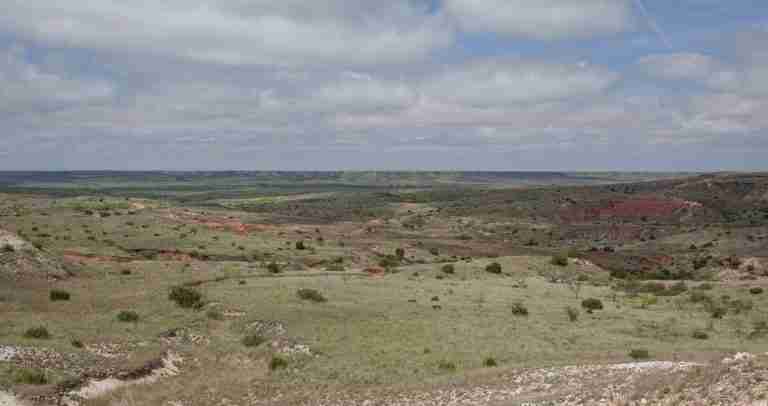
Blanco Canyon is a striking natural feature on the eastern edge of the Llano Estacado in Texas. Carved by the White River, also known as Río Blanco, the canyon runs for roughly 34 miles (about 55 kilometers) southeast from southwestern Floyd County into Crosby County near the town of Crosbyton. Its depth ranges from around 50 feet near its headwaters to between 300 and 500 feet at its deepest points. The canyon is part of a dramatic escarpment that defines the eastern boundary of the Llano Estacado, a vast plateau stretching across parts of Texas and New Mexico. Other notable canyons in this system include Tule Canyon and Palo Duro Canyon, both shaped by similar erosional forces over thousands of years.
The White River continues to erode and shape Blanco Canyon today. Seasonal rainfall and runoff contribute to the ongoing deepening and widening of the canyon walls, revealing layers of sediment that tell the story of the region’s geological evolution.
Historical Significance
Blanco Canyon has long been tied to Texas history. It is believed to be one of the areas visited by the 1541 expedition of Spanish explorer Francisco Vázquez de Coronado during his search for the mythical Seven Cities of Gold. While definitive proof is limited, many historians and archaeologists consider the canyon a probable campsite location for Coronado’s expedition as it moved across the southern Plains. The area’s access to fresh water, shelter, and vantage points made it a logical resting place for early travelers.
Centuries later, Blanco Canyon continued to hold strategic importance. In 1871, it was the site of a confrontation between U.S. cavalry forces led by Colonel Ranald S. Mackenzie and a group of Comanche warriors. This engagement, known as the Battle of Blanco Canyon, marked one of several conflicts that led to the eventual relocation of Plains tribes to reservations.
Geological Importance: The Blanco Formation
The canyon also lends its name to the Blanco Formation, a Pleistocene-age geological unit first described in this area. The formation consists of layers of sand, clay, and gravel cemented by calcium carbonate, often displaying a distinctive white coloration. These deposits were formed during the early Pleistocene epoch and contain fossils that help scientists understand the prehistoric environments of the southern Great Plains.
The Blanco Formation’s composition and fossil record indicate that parts of the region once held shallow lakes and river systems. These ancient environments supported a wide range of now-extinct animals, including mammoths and prehistoric horses. Today, the formation continues to be an important reference point for geologists studying the climatic and ecological changes of North America’s Ice Age period.
The Canyon Today
Modern visitors to Blanco Canyon encounter a landscape shaped by time and natural forces. The canyon’s rugged terrain and layered rock formations provide a glimpse into millions of years of geological history. It remains a popular area for outdoor enthusiasts, historians, and geologists alike, offering both scenic beauty and educational value. Its location near the small community of Blanco Canyon in Crosby County keeps it accessible yet relatively undisturbed, maintaining its quiet presence as one of the Llano Estacado’s defining landmarks.
Photos:
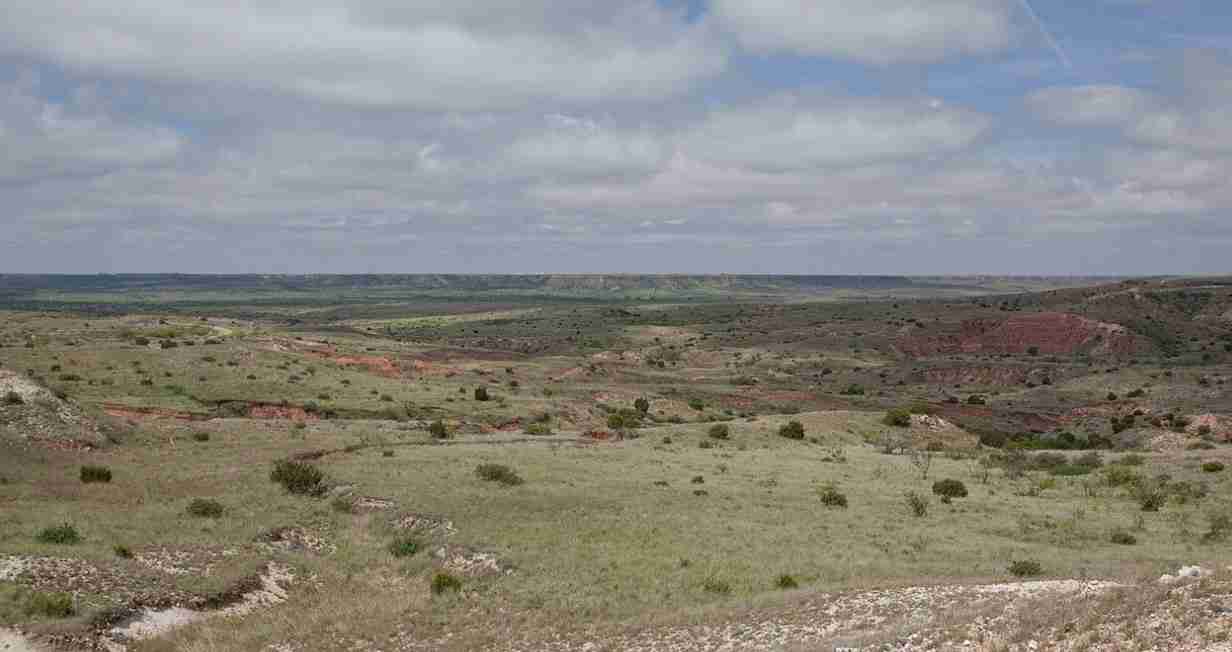
Blanco Canyon
Map:
Sorry, no records were found. Please adjust your search criteria and try again.
Sorry, unable to load the Maps API.
Floyd County
Texas
United States
-
As the area is privately owned, pet policies vary depending on the specific property.
-
Hiking: Exploring the canyon's terrain offers opportunities for hiking, though access is subject to landowner permission.
-
Photography: The canyon's geological features and landscapes provide scenic photography opportunities.
-
Historical Exploration: Visitors interested in history may explore areas associated with early expeditions, keeping in mind access restrictions.
Blanco Canyon does not have public amenities such as restrooms, visitor centers, or designated camping areas. Visitors should plan accordingly and seek permission before accessing private lands.