
Bentsen Rio Grande Valley State Park sits in Mission, a community in the southern tip of Texas near the Rio Grande. The land was donated to the state in 1944, and the site later opened to the public as a state park. Today it spans several hundred acres, with most sources listing the area at just over 760 acres. It also serves as the headquarters for the World Birding Center, a network of nine nature sites spread across the Rio Grande Valley. The park is known for its subtropical landscape, which supports an unusually high mix of species not found in most other parts of the United States.
Wildlife and Birding
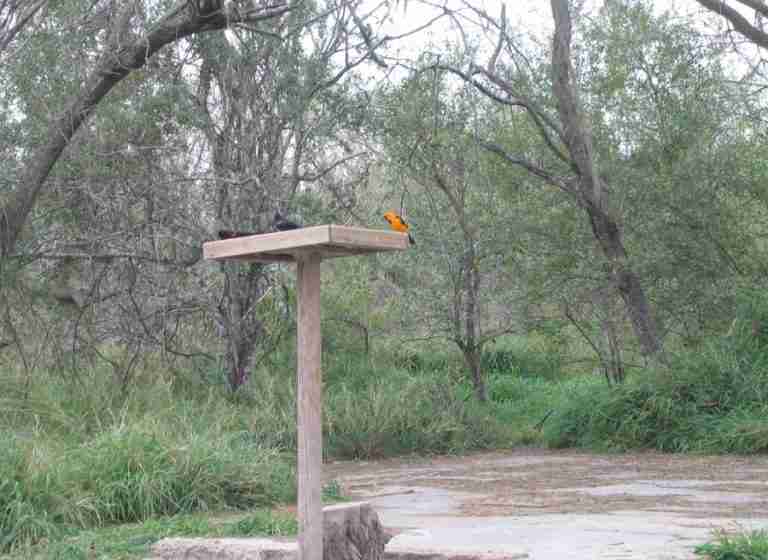
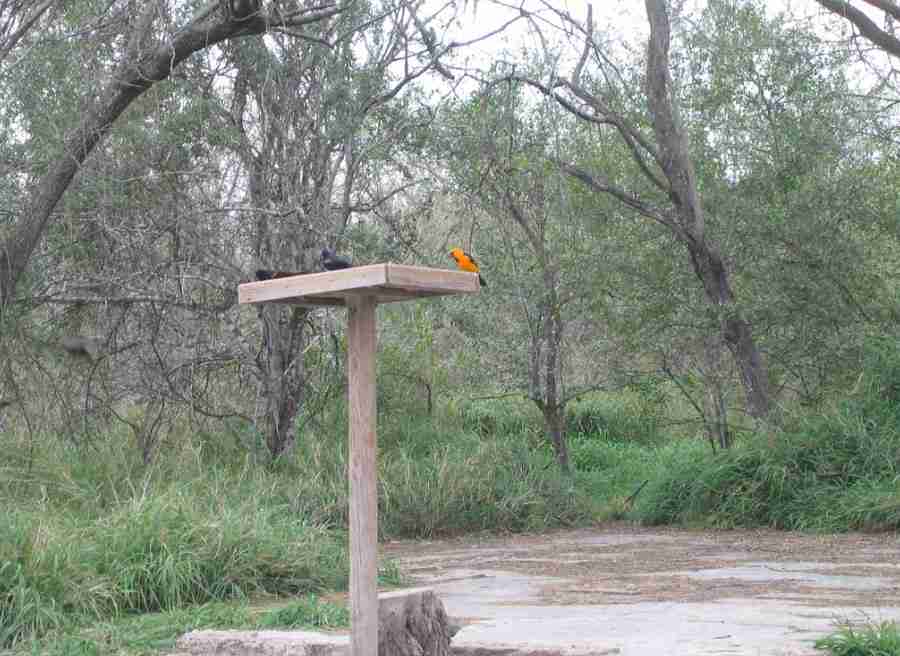
The park is one of the most recognized birding destinations in the country. Around 360 species of birds have been recorded, a reflection of its location along a major migratory route and its variety of habitats. Visitors often look for species associated with South Texas, such as the Altamira Oriole, Great Kiskadee, and Green Jay. The setting also attracts many other wildlife enthusiasts because the region’s combination of woodland, brushland, and wetland environments creates consistent opportunities for sightings throughout the year.
Butterflies and Biodiversity
Bentsen Rio Grande Valley State Park is also known for its butterfly diversity. More than 250 species have been documented within or near the park, a number that places the area among the richest butterfly habitats in the nation. This concentration results from the region’s warm climate, native plants, and proximity to Mexico, which contributes to a broader range of species than typically seen elsewhere in Texas.
Vehicle-Free Design
One of the park’s defining features is its vehicle-free interior. Visitors park at the entrance and continue into the park by foot, bicycle, or tram. This approach protects the landscape from traffic impact and keeps the environment peaceful for both wildlife and guests. It also allows the park to maintain its natural setting with fewer disturbances, which is especially valuable in a region known for sensitive habitats and rare species.
Photos:
Bentsen-Rio Grande Valley State Park
Map:
Sorry, no records were found. Please adjust your search criteria and try again.
Sorry, unable to load the Maps API.
Mission
Texas
78572
United States
- General Areas: Pets are welcome in most outdoor areas of the park. They must be on a leash no longer than six feet and under control at all times.
- Buildings: Pets are not permitted inside any park buildings.
- Bird Watching: With numerous bird blinds, feeders, and viewing stations, the park provides exceptional opportunities to observe a wide array of bird species.
- Hiking and Biking: Explore over seven miles of trails that meander through diverse habitats, offering both novice and experienced hikers and bikers a chance to connect with nature.
- Tram Tours: Educational tram tours are available, providing guided experiences through the park's unique ecosystems.
- Camping: Primitive campsites are available for visitors seeking an immersive overnight experience in the park.
- Visitor Center: Features exhibits, a park store, and provides information on the park's natural and cultural history.
- Observation Towers and Bird Blinds: Strategically placed to enhance wildlife viewing opportunities.
- Picnic Areas: Designated spots equipped with tables and grills for day-use visitors.
- Restrooms and Showers: Facilities available for both day-use and overnight guests.
Jean-Pierre Louis from Austin, Altamira Oriole Bentsen SP, CC BY 2.0