
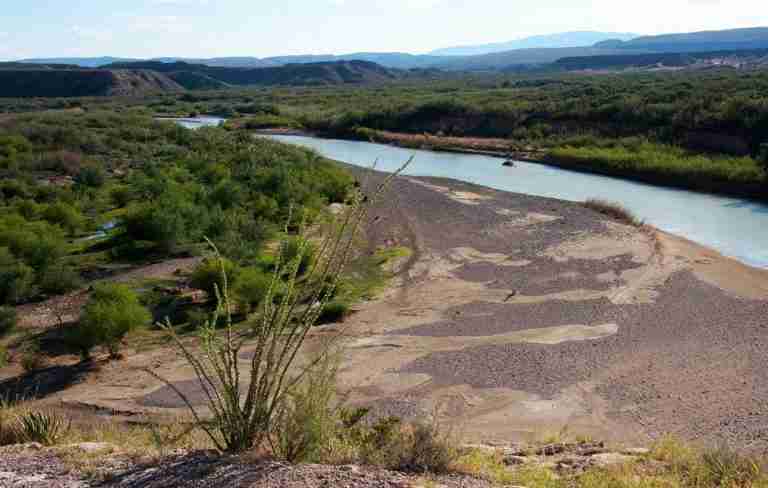
The Rio Grande Wild and Scenic River protects a 196-mile stretch of one of North America’s most significant waterways. This portion flows along the Texas border through isolated desert country, deep canyons, and rugged terrain. The designation recognizes the river’s free-flowing condition, its ecological value, and the importance of its natural and cultural landscape. The corridor is primarily administered by the National Park Service through Big Bend National Park, although portions downstream pass adjacent to private lands and ranch country.
Designation and Management
Congress added this section of the Rio Grande to the National Wild and Scenic Rivers System in 1978. The protected reach extends from the area near the Mexican states of Chihuahua and Coahuila to the line separating Terrell and Val Verde counties in Texas. The intent of the designation is to safeguard water quality, maintain the river’s natural character, and preserve opportunities for recreation in a remote and undeveloped setting. Although the NPS oversees management of the designated river segment, riverbed ownership and adjacent lands vary, which leads to shared responsibilities with the state and private landowners.
River Geography and Landscapes
The character of the river changes noticeably along its course. It passes through open desert valleys, sheer limestone cliffs, and several major canyons. Boquillas Canyon marks the eastern edge of Big Bend National Park with towering walls and a narrow channel. Farther downstream, Mariscal Canyon offers one of the most secluded sections, with steep walls and limited access points. The Lower Canyons, located beyond the national park boundary, form the longest and most remote canyon stretch on the protected river. These natural formations illustrate millions of years of geological activity shaped by uplift, erosion, and the persistent flow of the Rio Grande.
Wildlife and Ecology
The river corridor supports a range of desert and riparian wildlife. Peregrine falcons have long been associated with the cliffs of the Big Bend region, where suitable nesting habitat exists. Black bears, once absent from the area, have re-established a presence in Big Bend National Park and occasionally roam near the river corridor. The Big Bend slider turtle, a species native to the Rio Grande basin, occurs in waterways within this region and reflects the area’s unique biological heritage. Vegetation along the corridor varies from desert scrub to cottonwood and willow stands in wetter zones, creating habitat for migratory birds, reptiles, and numerous small mammals.
Recreation and Access
Visitors come to this protected segment of the Rio Grande for activities such as river trips, backcountry camping, and wildlife viewing. The wild nature of the corridor means that preparation and experience are important for safe travel, especially in the Lower Canyons where access points are limited. Permits are required for multi-day trips, and changing water levels influence route difficulty. The sense of isolation and the variety of landscapes make this stretch of the Rio Grande one of the most distinctive river experiences in the United States.
Photos:
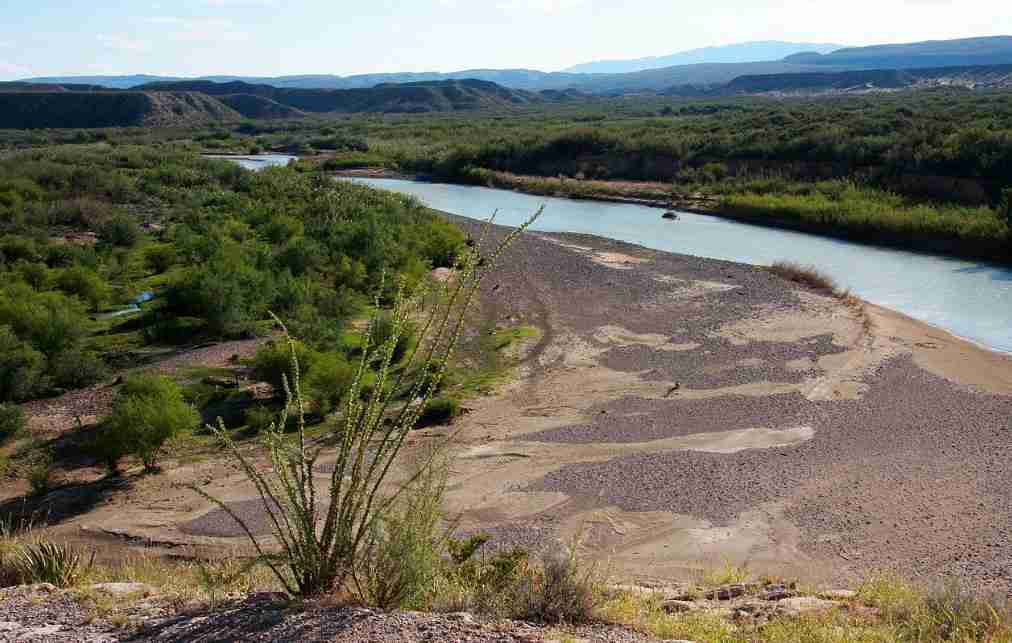
Rio Grande Wild and Scenic River
Map:
Sorry, no records were found. Please adjust your search criteria and try again.
Sorry, unable to load the Maps API.
Big Bend National Park
Texas
26325
United States
- General Areas: Pets are allowed in certain areas along the river, particularly those accessible through Big Bend National Park.
- Restricted Areas: Pets are not permitted on river trips, in backcountry areas, or on trails within Big Bend National Park.
- Additional Guidelines: Pets must be on a leash no longer than six feet in permitted areas. Owners should ensure pets do not disturb wildlife and must clean up after them.
- Boating and Floating: The river offers various sections suitable for canoeing, kayaking, and rafting, ranging from calm waters to challenging rapids. Popular trips include floats through Boquillas Canyon and the more remote Lower Canyons. Proper preparation and awareness of current river conditions are essential.
- Hiking: Numerous trails provide access to the river and its scenic vistas. Hikes range from short walks to more strenuous backcountry routes, offering opportunities to explore the diverse desert flora and fauna.
- Fishing: Anglers can fish for species such as catfish and bass. A valid Texas fishing license is required, and visitors should familiarize themselves with state regulations.
- Wildlife Viewing: The river corridor is home to a rich array of wildlife, making it ideal for bird watching and observing other native species in their natural habitats.
- Camping: Primitive campsites are available along the river, offering a remote wilderness experience. Some sites require permits, and campers must adhere to Leave No Trace principles.
- Visitor Centers: Information about the Rio Grande Wild & Scenic River can be obtained at visitor centers within Big Bend National Park, where exhibits and staff provide insights into the river's natural and cultural history.
- Boat Launches: Designated access points for launching boats are available at various locations. Some launches may require high-clearance vehicles to reach.