

The Rio Grande Valley, often called “The Valley” by locals, lies in the southernmost tip of Texas along the Rio Grande River. Stretching across Cameron, Hidalgo, Starr, and Willacy counties, this region includes several major cities such as McAllen, Harlingen, Brownsville, and Edinburg. Despite its name, the Rio Grande Valley is actually a delta rather than a true valley, with flat, fertile land that has long supported agriculture and trade. The area serves as a cultural and geographic bridge between Texas and Mexico, giving it a unique identity that blends both influences in its food, language, and traditions.
A Rich Blend of Nature and Agriculture
The Rio Grande Valley’s subtropical climate and nutrient-rich soil make it one of Texas’s most productive farming areas. Citrus fruits, particularly grapefruit and oranges, are among its best-known crops. The region’s agricultural strength extends to vegetables, sugarcane, and cotton, supported by an extensive irrigation network built from the Rio Grande’s waters. For decades, “Texas Ruby Red” grapefruit has been a symbol of the Valley’s citrus industry, celebrated both for its flavor and economic importance.
A Haven for Birdwatchers and Nature Lovers
Few places in the continental United States can match the Rio Grande Valley’s biodiversity. Its position along the Central Flyway makes it a major stopover for migratory birds traveling between North and South America. The Valley’s mix of wetlands, grasslands, and brushlands creates habitats for hundreds of bird species, including many found nowhere else in the U.S. The World Birding Center, a network of nine sites across the region, highlights this diversity and attracts bird enthusiasts from around the world each year.
The Tamaulipan Brushlands: A Distinct Ecosystem
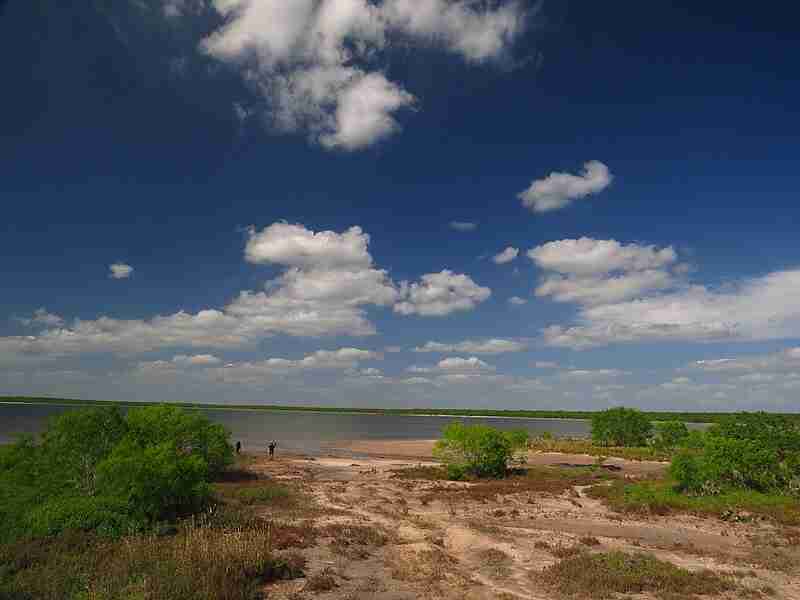
The native ecosystem of the Rio Grande Valley is known as the Tamaulipan thornscrub or brushlands. This environment once stretched across much of South Texas and northern Mexico but has been heavily reduced due to urbanization and agriculture. Despite these changes, protected areas like the Santa Ana National Wildlife Refuge and the Lower Rio Grande Valley National Wildlife Refuge preserve some of this unique landscape. These areas are vital for wildlife, offering sanctuary to species such as ocelots, green jays, and great kiskadees. While often mistaken for tropical forest, the region is more accurately described as subtropical brushland rather than a true rainforest.
A Region on the Rise
The Rio Grande Valley has seen consistent population growth over the past several decades, making it one of the fastest-growing regions in Texas. Cities like Edinburg and McAllen have become major commercial and educational centers, while Brownsville continues to expand its role in international trade through its port and border crossings. The growth has brought new investment in healthcare, education, and technology, transforming the area into a hub of opportunity while maintaining its small-town friendliness and cultural charm.
A Cultural Crossroads
Life in the Rio Grande Valley reflects a deep connection to both American and Mexican traditions. Festivals, music, and cuisine showcase this blend, with events like Charro Days in Brownsville celebrating shared heritage across the border. The Valley’s vibrant communities and bilingual character make it one of the most culturally rich areas in Texas, offering a living example of two worlds coming together.
Photos:
Map:
Sorry, no records were found. Please adjust your search criteria and try again.
Sorry, unable to load the Maps API.
McAllen
Texas
78501
United States
Yes
- Hiking
- Birdwatching
- Camping
- Visitor Center
- Restrooms
- Paved Trails