
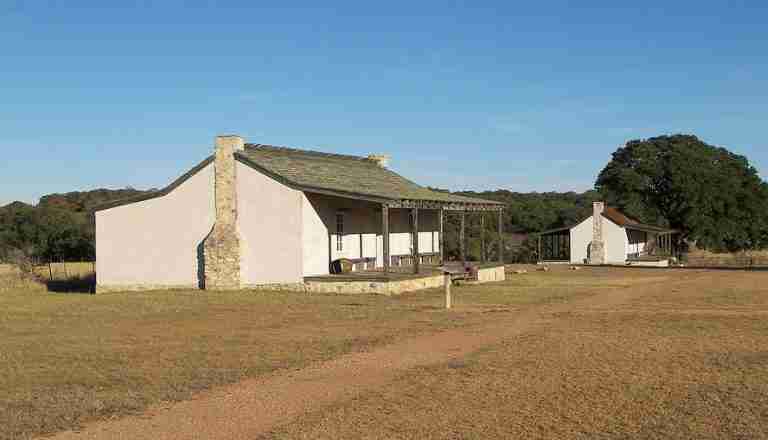
Fort Martin Scott is a historic U.S. Army frontier post located east of Fredericksburg in the Texas Hill Country. Established in December 1848, the fort was part of a line of military installations built to protect settlers and travelers as the western frontier of Texas expanded. Though relatively small compared to later forts, it served as an important early presence of the U.S. Army in Central Texas during the turbulent years following the Mexican–American War.
Establishment and Naming
The outpost began as Camp Houston on December 5, 1848. Within a year, in December 1849, it was renamed Fort Martin Scott in honor of Major Martin Scott, a U.S. Army officer who was killed in September 1847 during the Battle of Molino del Rey near Mexico City in the Mexican–American War.
Military Role and Units
The fort was one of several positioned along the Texas frontier, forming part of a chain that included Fort Croghan, Fort Graham, and Fort Gates.
-
The 8th U.S. Infantry Regiment provided much of the garrison, with Companies D, F, and K stationed there at various times.
-
Units of the 2nd U.S. Dragoons were also involved, though mainly in escort and treaty duties rather than permanent garrisoning.
Fort Martin Scott was active until late 1853. Some records show the last monthly return in November 1853, and the official order to close the post came in December 1853.
The Fort Martin Scott Treaty of 1850
On December 10, 1850, U.S. officials negotiated a treaty known as the Fort Martin Scott Treaty with several Native American groups, including the Comanche, Caddo, Lipan Apache, Waco, Tawakoni, and Quapaw.
-
Despite its name, the treaty was not actually signed at the fort. The negotiations and signing took place in San Saba County.
-
The treaty was never ratified by the U.S. government, meaning it lacked the force of law.
-
Even so, it represented a significant attempt at diplomacy between the U.S. military and Native peoples of the region during a period of frequent conflict.
Civilian Use After Abandonment
When the Army withdrew, the site eventually passed into civilian hands. Around 1870, the Braeutigam family settled at the old fort grounds. They farmed the land and operated a biergarten (beer garden) that became a local gathering place.
Preservation and Public Access
The City of Fredericksburg acquired the property in the mid-20th century (most sources cite 1949 as the year of purchase). Since then, it has been preserved as a historic landmark.
Today, the site is managed in cooperation with the Texas Historical Commission and operates as a public historic site. Visitors can explore:
-
Original and reconstructed buildings, including officers’ quarters and barracks.
-
Interpretive exhibits on military life in the mid-19th century.
-
A nature trail along Barons Creek, which provides opportunities to see native plants and wildlife.
-
Educational programs and tours that highlight frontier life and the history of the U.S. Army in Texas.
Historical Significance
Fort Martin Scott holds distinction as the first U.S. Army post established on the western frontier of Texas. Although it was only in use for a few years, the fort marked the beginning of the Army’s formal presence in the Hill Country and played a role in both defense and diplomacy during a formative period in Texas history.
Photos:
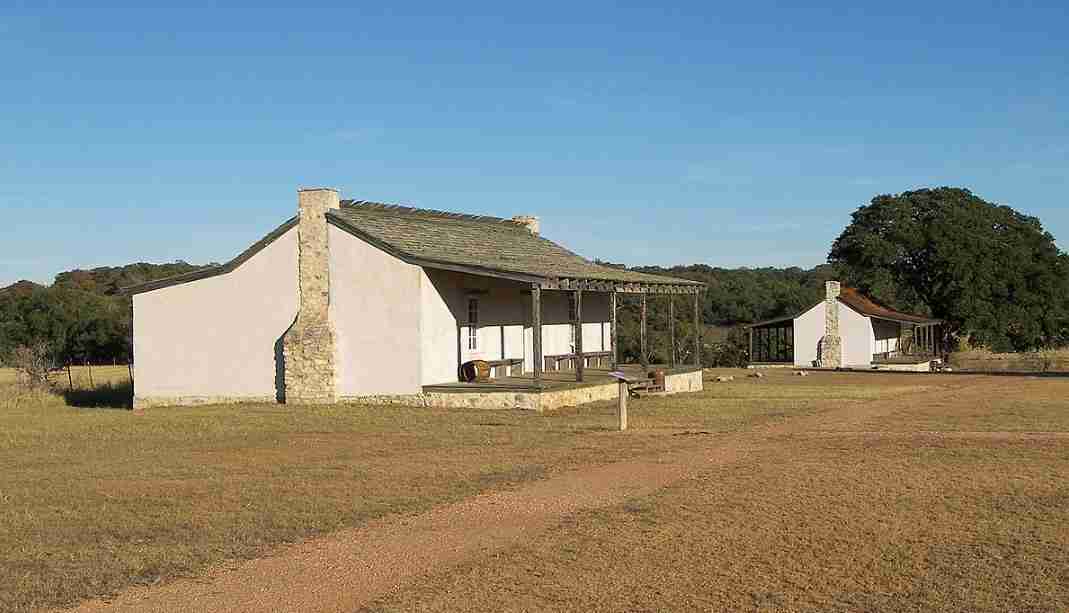
Fort Martin Scott
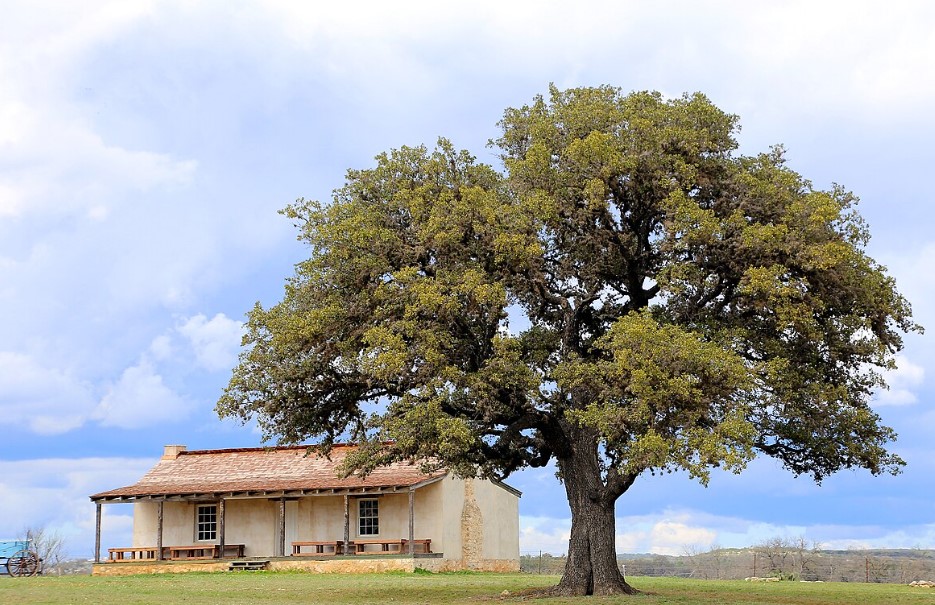
Fort Martin Scott
Map:
Sorry, no records were found. Please adjust your search criteria and try again.
Sorry, unable to load the Maps API.
Fredericksburg
Texas
78624
United States
- Yes, leashed pets are welcome
- Self-guided tours, scheduled programs, guided tours by appointment, and special events like Frontier Fest
- Visitor center, interpretive trails, original and reconstructed buildings, picnic areas, and restrooms
Larry D. Moore, Fort martin scott 2008, CC BY 4.0
Mark König, Fort Martin Scott - tree & building, CC BY-SA 4.0