
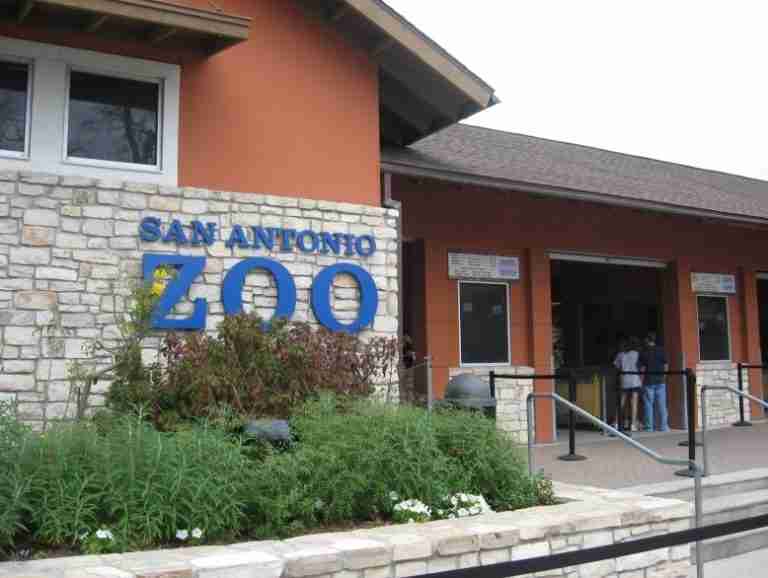
The San Antonio Zoo, established in 1914, is one of Texas’s most beloved attractions. Located in Brackenridge Park near downtown San Antonio, the zoo spans roughly 57 acres and houses over 750 species from around the world. More than one million visitors pass through its gates each year, making it one of the most visited zoos in the United States. Its mission blends conservation, education, and recreation, creating experiences that connect people of all ages with the natural world.
A Century of Wildlife and Innovation
Since its founding, the San Antonio Zoo has grown from a small collection of animals to a leading zoological institution. It was among the first zoos in the country to build cageless habitats, emphasizing open and naturalistic environments. Its long history includes several milestones in animal care and conservation, reflecting its role as both a local treasure and a contributor to global wildlife preservation.
Remarkable Exhibits
Visitors can experience a wide variety of habitats that bring distant ecosystems to life. Africa Live! immerses guests in an African landscape, where they can view hippos, crocodiles, and vibrant bird species up close. Big Cat Valley offers a glimpse of the zoo’s majestic lions and tigers roaming spacious, naturalistic enclosures. Another highlight is Amazonia, a lush rainforest exhibit that houses jaguars, tropical birds, and reptiles, replicating the biodiversity of South America. Each exhibit is designed to educate and inspire respect for wildlife while ensuring animal well-being.
Conservation Leadership
Conservation is at the heart of the San Antonio Zoo’s mission. One of its most impactful initiatives is the Texas Horned Lizard Reintroduction Project, which aims to restore populations of this native species to their natural habitats. The zoo has successfully bred and released horned lizards across several protected sites in Texas, working closely with state wildlife agencies and conservation partners. The project showcases how modern zoos contribute to species recovery through science, community engagement, and long-term stewardship.
Historic Landmarks
Beyond its wildlife exhibits, the zoo also preserves a piece of Texas history. The Monkey House and Commissary, constructed between 1935 and 1937 in the Spanish Revival style, are architectural landmarks within the zoo grounds. In April 2024, these buildings were officially added to the National Register of Historic Places, recognizing their cultural and historical significance. They stand as reminders of the zoo’s enduring place in San Antonio’s community and heritage.
A Legacy of Care and Education
The San Antonio Zoo continues to expand its educational programs, offering workshops, camps, and behind-the-scenes tours for visitors of all ages. Its commitment to animal welfare and conservation has earned it national recognition and strong local support. As one of Texas’s oldest and most respected zoological institutions, it remains a vital center for wildlife preservation, family recreation, and lifelong learning.
Photos:
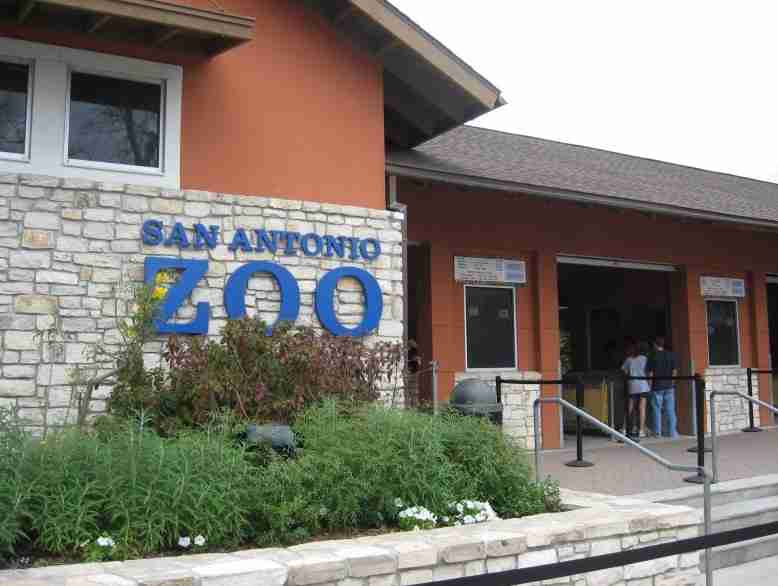
San Antonio Zoo

San Antonio Zoo

Outreach events at San Antonio Zoo
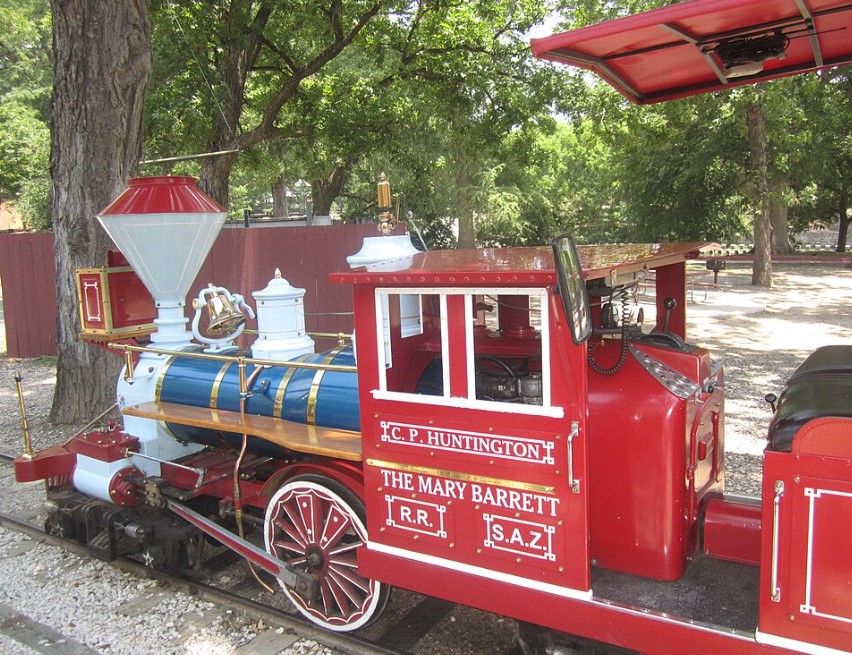
The San Antonio Zoo Train
Map:
Sorry, no records were found. Please adjust your search criteria and try again.
Sorry, unable to load the Maps API.
San Antonio
Texas
78212
United States
For the safety of both guests and animals, pets are not permitted within the zoo premises.
-
Animal Encounters: The zoo offers up-close experiences with various species, providing educational insights into animal behaviors and conservation efforts.
-
Educational Programs: Year-round programs, including school group field trips and summer camps, are designed to educate participants about wildlife and environmental stewardship.
-
Seasonal Events: Events like Zoo Lights transform the zoo into a winter wonderland with miles of twinkling lights and festive displays, enhancing the visitor experience during the holiday season.
-
Dining Options: Multiple on-site eateries offer a variety of food and beverage choices to cater to diverse tastes.
-
Gift Shops: Visitors can purchase souvenirs, educational materials, and unique gifts related to wildlife and conservation.
-
Accessibility: The zoo provides accommodations for guests with disabilities, including wheelchair rentals and accessible pathways throughout the park.