
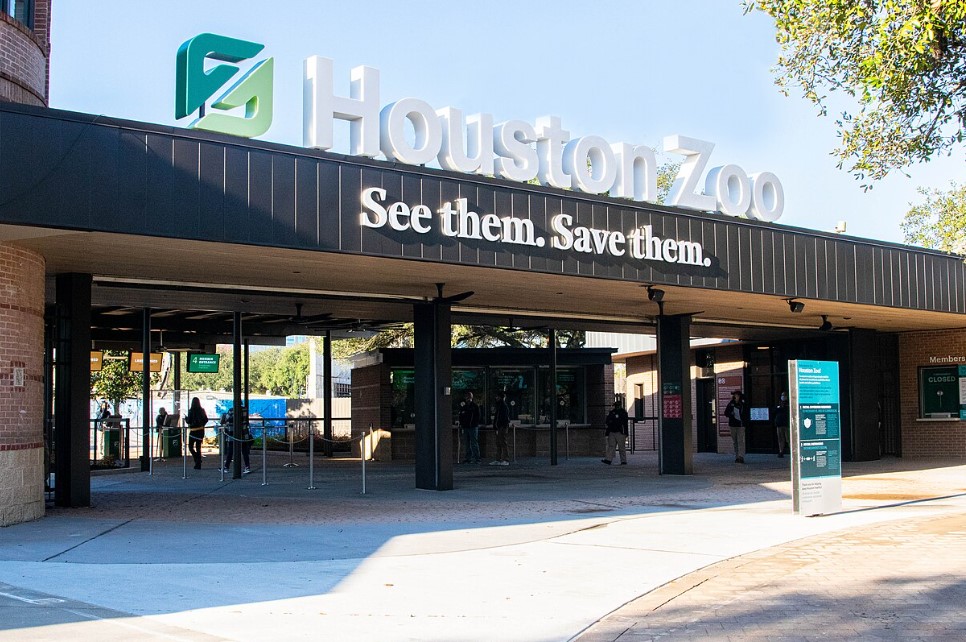
The Houston Zoo, located within Houston’s Hermann Park, covers 55 acres and is one of the most popular zoological attractions in the United States. Established in September 1922, the zoo began humbly with a single bison named Earl, donated to the city that same year. Over the decades, it has evolved into a world-class facility that now houses more than 6,000 animals representing over 900 species. Each year, approximately two million visitors pass through its gates, making it one of the most visited zoos in the nation.
Mission and Conservation Efforts
The zoo’s mission centers on connecting communities with animals and inspiring people to take action to protect wildlife. As a member of the Association of Zoos and Aquariums (AZA), the Houston Zoo participates in the Species Survival Plan, a coordinated effort among accredited zoos to maintain genetically healthy populations of endangered species. Its conservation work extends beyond the zoo grounds, supporting over 40 wildlife conservation projects across more than 30 countries. From preserving sea turtles in the Gulf of Mexico to protecting elephants in Africa, the zoo’s impact is global and enduring.
Notable Exhibits and Experiences
One of the Houston Zoo’s most ambitious projects, the African Forest, opened in December 2010. This 6.5-acre exhibit recreates the landscape and atmosphere of an African ecosystem, featuring giraffes, chimpanzees, white rhinoceroses, and other species in expansive, naturalistic habitats. The design encourages guests to engage with wildlife in ways that highlight the importance of conservation and coexistence. Other major areas, such as the McNair Asian Elephant Habitat and the Galápagos Islands exhibit, further demonstrate the zoo’s dedication to combining education, animal welfare, and immersive experiences for visitors of all ages.
Leadership in Animal Health and Research
In June 2024, the Houston Zoo made international headlines when it administered the world’s first mRNA vaccine for Elephant Endotheliotropic Herpesvirus (EEHV) to an Asian elephant named Tess. EEHV is a deadly disease affecting young elephants, and this breakthrough represented a major milestone in veterinary science and wildlife care. The achievement underscored the zoo’s leadership in animal health research and its commitment to developing innovations that safeguard endangered species both in human care and in the wild.
Continuing Legacy
For more than a century, the Houston Zoo has been a place where education, recreation, and conservation meet. Its history reflects both the growth of Houston as a city and the global movement to protect biodiversity. As it continues to expand exhibits and research programs, the zoo remains a cornerstone of the community—inviting visitors to connect with animals and take part in preserving the natural world for generations to come.
Photos:
Map:
Sorry, no records were found. Please adjust your search criteria and try again.
Sorry, unable to load the Maps API.
Houston
Texas
77030
United States
For the safety of the animals and guests, pets are not permitted within the zoo premises.
-
Animal Encounters: Guests can enjoy up-close experiences with various animals, enhancing their understanding of different species.
-
Educational Programs: The zoo offers a range of educational initiatives, including camps, classes, and workshops designed to inspire conservation awareness among all age groups.
-
Seasonal Events: Throughout the year, the zoo hosts special events such as "Zoo Lights" during the holiday season, providing unique experiences for visitors.
-
Dining Options: Multiple eateries are available on-site, offering a variety of food and beverage choices to cater to diverse tastes.
-
Gift Shops: Visitors can purchase souvenirs, educational materials, and unique gifts related to wildlife and conservation efforts.
-
Accessibility: The zoo is committed to accessibility, providing wheelchair rentals and ensuring that exhibits and facilities are navigable for all guests.