
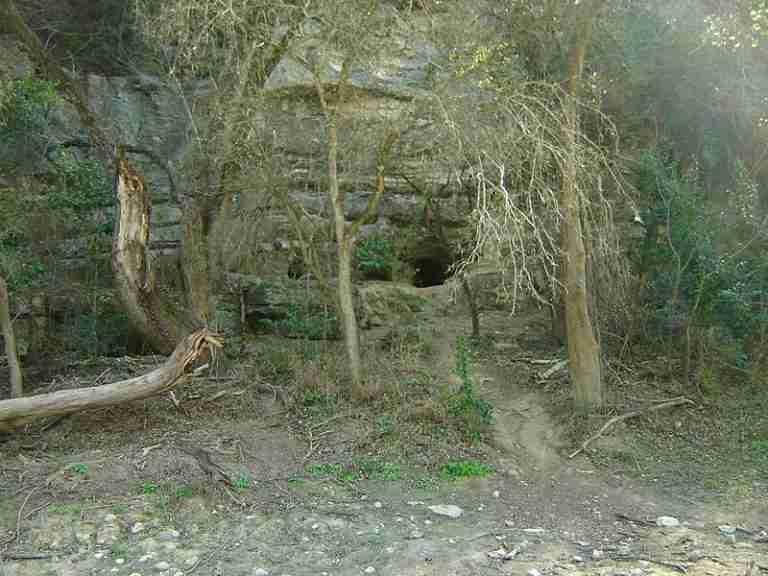
Airman’s Cave sits within the Barton Creek Greenbelt in south Austin, Texas. This extensive underground passage stretches for about 3,444 meters, or just over two miles, making it one of the longer known caves in Travis County. The site is part of the Edwards limestone formation from the early Cretaceous period. Its structure once served as a feeder route for Barton Springs before geological changes lowered the water table and redirected the underground flow.
Discovery and Naming
The cave was discovered in 1971 by two airmen stationed at the former Bergstrom Air Force Base. They found and excavated the narrow entrance that led to the cave’s first chambers, giving rise to its name, Airman’s Cave. Since then, the cave has gained a reputation among Texas cavers for its length, low ceilings, and tight passages that demand skill, patience, and physical endurance.
Geological Formation
Airman’s Cave formed through the slow dissolution of limestone by slightly acidic groundwater over thousands of years. As the water moved through cracks and bedding planes, it widened them into passageways. This process created a complex system of narrow corridors, small chambers, and constricted routes that make the cave an example of the karst features common throughout the Edwards Plateau region. The cave’s environment provides valuable insights into Austin’s underground hydrology and the natural forces that shaped the Barton Creek area.
The “Birth Canal” and Other Features
Among Airman’s Cave’s best-known features is the “Birth Canal,” a tight passage near the entrance that requires crawling and twisting to navigate. It has deterred many first-time visitors and earned a reputation as a test of determination. Deeper inside lies the “Aggie Art Gallery,” a clay-lined chamber decorated with handmade sculptures left by past explorers. The reddish maroon clay of the room has inspired generations of visitors to create small figures and symbols, giving the chamber a distinct identity within the caving community.
Ecology and Conservation
Airman’s Cave supports a specialized ecosystem adapted to its dark, humid environment. It provides habitat for several rare troglobitic species, including the blind ground beetle Rhadine austinica and the pseudoscorpion Tartarocreagris intermedia. These creatures live entirely underground, feeding on microorganisms and organic material brought in by water or other cave dwellers. Their presence highlights the cave’s ecological importance as part of Austin’s karst landscape.
Due to safety concerns and the need to protect these fragile habitats, the City of Austin has gated the cave and regulates access. Researchers and trained cavers occasionally enter under permit to monitor conditions and species populations. Public entry is now restricted to preserve both the geological formations and the sensitive biological community within.
Modern Significance
Today, Airman’s Cave remains an object of fascination for geologists, biologists, and spelunkers alike. It stands as a reminder of Austin’s unique connection between surface life and the subterranean world beneath. Although closed to general exploration, its history and character make it one of the most intriguing natural sites in the Barton Creek Greenbelt, reflecting the region’s geological past and ongoing conservation efforts.
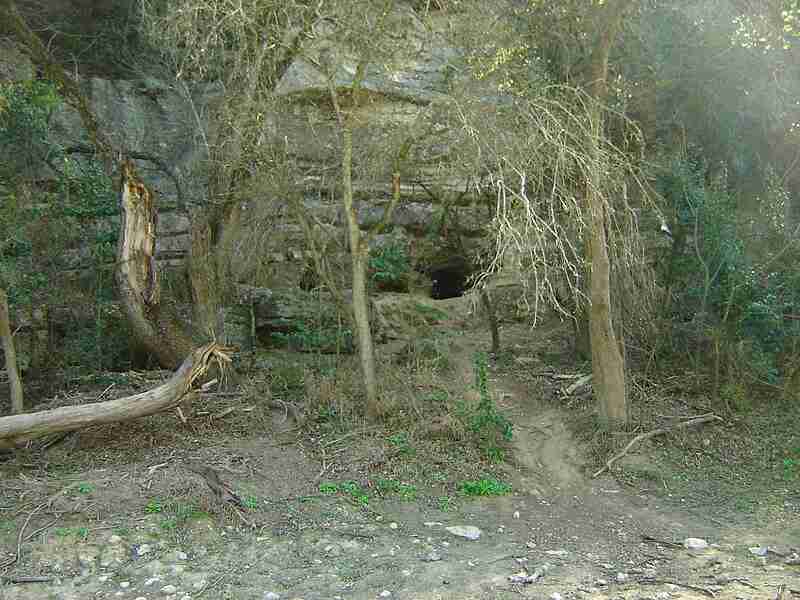
Photos:
Map:
Sorry, no records were found. Please adjust your search criteria and try again.
Sorry, unable to load the Maps API.
Austin
Texas
78746
United States
Given the cave's current restricted access and the challenging nature of its passages, pets are not permitted.
Historically, activities included spelunking and cave exploration. However, due to safety concerns and conservation efforts, public access is now limited. Interested individuals should contact the cave manager for potential supervised visits.
As a natural cave within the Barton Creek Greenbelt, there are no developed amenities specific to Airman's Cave. Visitors to the greenbelt can enjoy hiking trails, scenic views, and other outdoor activities.
goffster, Airman's cave - panoramio, CC BY 3.0