
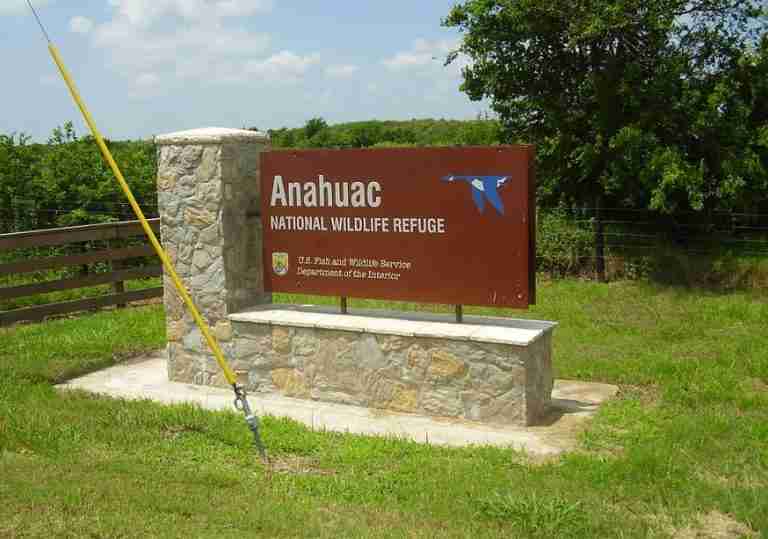
Jocelyn Nungaray National Wildlife Refuge, formerly known as Anahuac National Wildlife Refuge, is located in Chambers County on the upper Texas Coast near the town of Anahuac. It sits beside East Bay, part of the Galveston Bay system, and protects a significant portion of the region’s coastal wetlands. The refuge was officially renamed in March 2025 to honor Jocelyn Nungaray.
Size and Habitat
The refuge spans between 34,000 and 37,000 acres of protected land. Its landscape includes a variety of ecosystems, such as coastal marshes with fresh, intermediate, and saltwater zones, as well as coastal prairie, moist-soil fields, and upland grasslands. Approximately two-thirds of the refuge is marshland, while the rest consists of grasslands, rice fields, and shallow wetlands that provide vital feeding and nesting areas for wildlife.
History and Mission
Established in 1963, the refuge was created to protect habitat for migratory and resident waterfowl along the Gulf Coast. Its mission remains focused on conserving and restoring the delicate wetlands that sustain bird populations and other wildlife species. Over the decades, refuge management has balanced habitat preservation with public access and education. Natural events such as hurricanes have reshaped parts of the landscape, occasionally causing saltwater intrusion that affects marsh vegetation and soil conditions.
Wildlife and Ecological Significance
The refuge is a vital stopover along the Central Flyway, one of North America’s major bird migration routes. It hosts a rich diversity of birdlife, with over 320 species recorded, including herons, egrets, ibises, ducks, geese, and raptors. The marshes also provide habitat for the American alligator, which is commonly seen from the refuge’s observation areas and driving loops. Other inhabitants include turtles, snakes, raccoons, river otters, and numerous fish and amphibian species that thrive in the wetland environment.
Visitor Access and Activities
Visitors can experience the refuge through an auto tour route, walking trails, and elevated boardwalks. The main auto loop circles a freshwater impoundment and includes several observation decks and a short accessible boardwalk. Additional trails, such as the Woodlot Trail, offer shaded walks with bird blinds and benches for quiet viewing. Fishing is permitted in designated areas, and public waterfowl hunting occurs during the season under strict regulations. Birdwatching and wildlife photography are the most popular year-round activities, with peak viewing during spring and fall migrations.
Changing Name and Recognition
In 2025, the refuge was renamed Jocelyn Nungaray National Wildlife Refuge. The new name honors the memory of Jocelyn Nungaray while continuing the same conservation mission that began more than sixty years ago. Although the name has changed, the refuge’s management, habitat protection, and public-use programs remain unchanged.
Tips for Visiting
Visitors should bring binoculars and cameras for the best wildlife observation opportunities. In warmer months, insect repellent is recommended due to the abundance of mosquitoes in wetland areas. Staying on marked roads and trails ensures safety and helps protect the habitat. The best times to visit are during migration seasons, especially in spring and fall, when bird activity is highest. Always observe wildlife from a safe distance and respect posted signs about seasonal closures or restricted zones.
Photos:
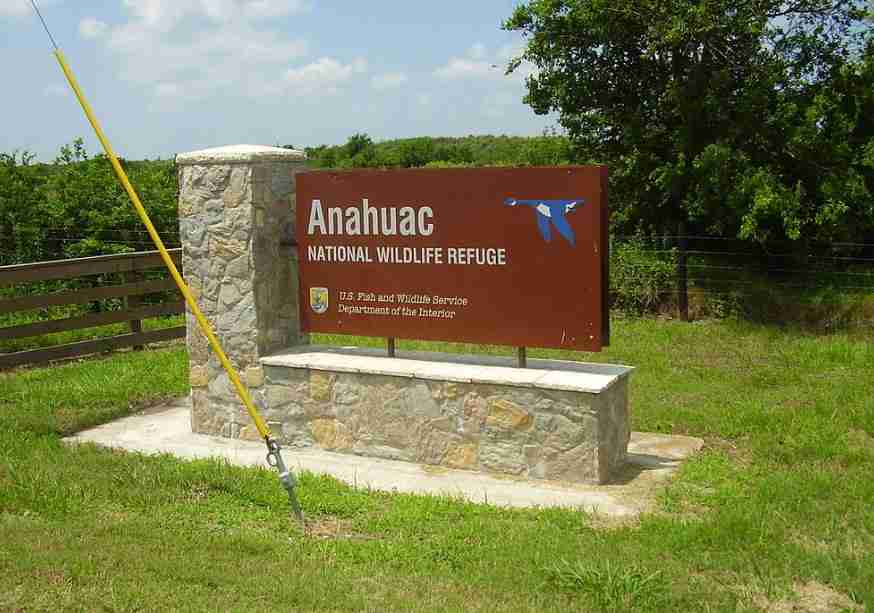
Anahuac National Wildlife Refuge
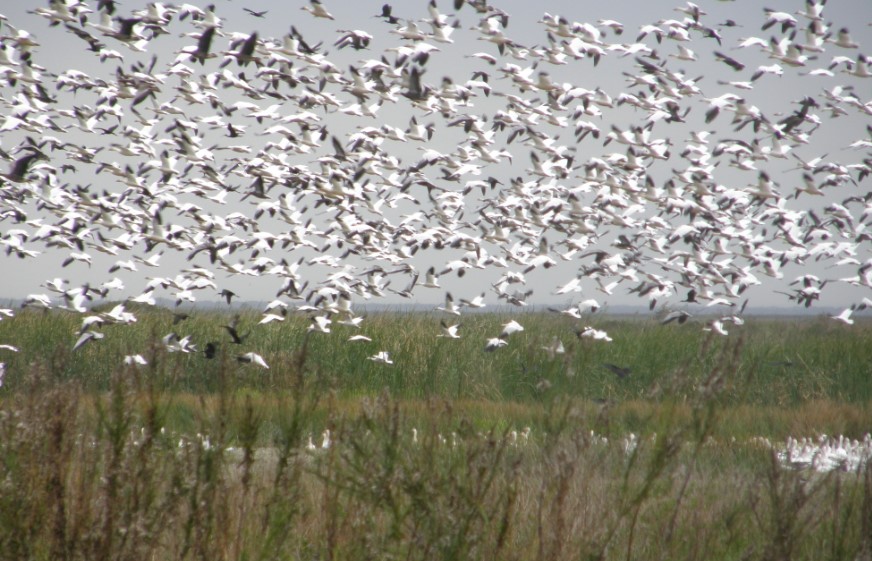
Anahuac National Wildlife Refuge
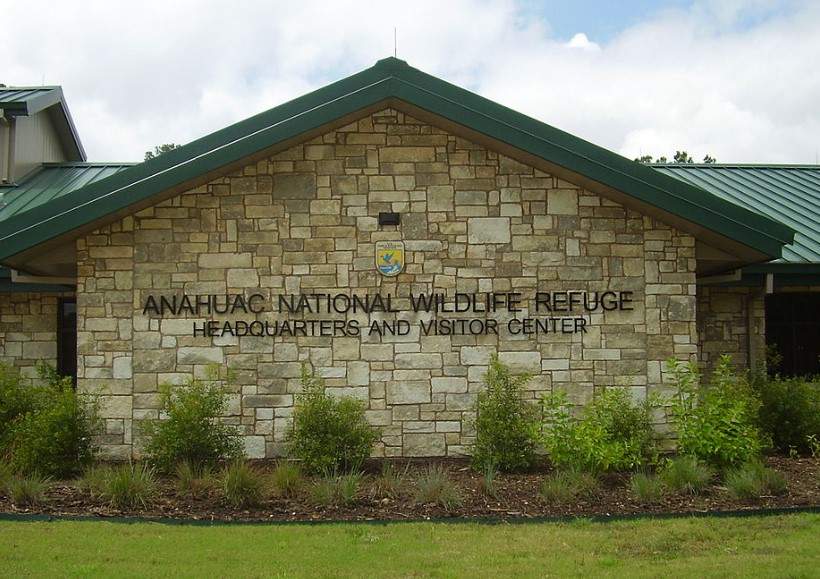
Anahuac NWR
Map:
Sorry, no records were found. Please adjust your search criteria and try again.
Sorry, unable to load the Maps API.
Anahuac
Texas
77514
United States
Yes, but they must be on a leash and stay on designated trails.
- Birdwatching
- Wildlife photography
- Fishing and crabbing
- Kayaking and canoeing
- Hiking on designated trails
- Visitor center with educational exhibits
- Boardwalks and viewing platforms
- Picnic areas
- Fishing access points
- Restrooms