
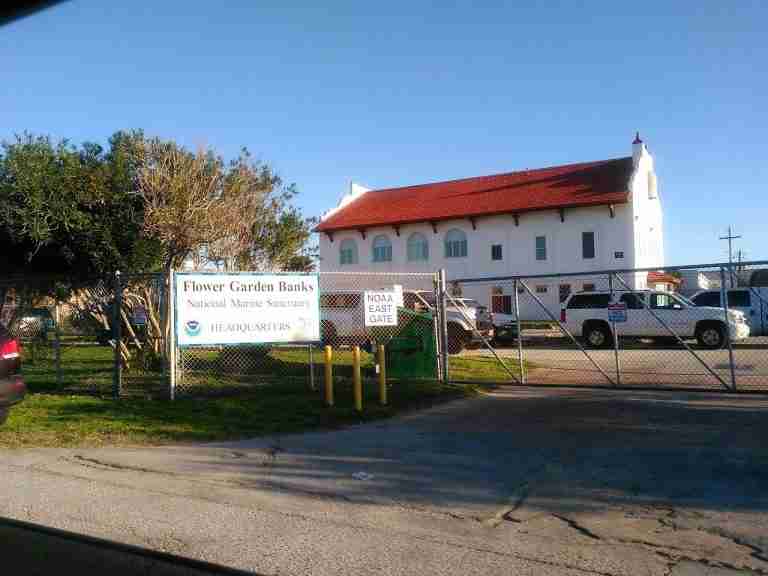
Flower Garden Banks National Marine Sanctuary (FGBNMS) lies approximately 80 to 125 miles off the coasts of Texas and Louisiana in the northwestern Gulf of Mexico. It was officially designated in 1992, initially protecting the East and West Flower Garden Banks. In 1996, Stetson Bank was added to the sanctuary.
Area & Expansion
Originally, the sanctuary covered about 56 square miles. In 2021, it expanded to roughly 160 square miles and now includes portions of 17 different reefs and banks within 19 boundary segments. This major expansion increased protection for critical Gulf ecosystems and unique reef structures.
Geology & Reef Formation
The banks are underwater features formed by massive salt domes that pushed upward beneath the seabed, creating underwater mountains and ridges. Over time, these structures became hard-bottom areas where corals could anchor and grow. Shallow reef communities developed where depths range from about 50 to 130 feet, forming coral caps teeming with life.
Ecological Significance
The sanctuary protects the northernmost coral reefs in the continental United States. It supports a mosaic of habitats, including shallow coral reefs, sponge and algal communities, and deeper mesophotic zones that host black corals and soft corals. More than twenty species of hard corals thrive here, along with hundreds of fish species, crustaceans, sponges, and algae.
Marine Life & Features
The Flower Garden Banks’ reefs feature large coral heads dominated by brain and star corals. These reefs provide habitat for angelfish, butterflyfish, groupers, moray eels, and sea turtles. Manta rays are commonly observed in the sanctuary, and whale sharks are occasionally spotted passing through the area. The site’s isolation helps maintain excellent reef health compared to many other Caribbean and Gulf reefs.
Access & Diving Conditions
Reaching the sanctuary requires a long boat ride, as it sits far offshore in deep Gulf waters. Two main diving seasons are recognized.
-
Summer (May–October): Surface water temperatures average in the low to mid-80s Fahrenheit, with visibility often between 75 and 125 feet.
-
Winter (February–April): Water temperatures drop to the low to high 60s Fahrenheit, and visibility typically ranges from 40 to 60 feet.
Diving depths average 70 to 90 feet. Strong currents and remote access make it best suited for experienced divers. Trips are available through charter operators departing from coastal cities like Galveston, Freeport, and Port Arthur, Texas.
Conservation & Research
The sanctuary is home to one of the longest-running coral reef monitoring programs in the region. Research focuses on coral health, water quality, fish populations, and reef habitat condition. The remote location has helped preserve its pristine state, though scientists continue to study the impacts of changing ocean temperatures, storms, and human activity on reef resilience.
Interesting Facts
-
The reefs rest atop ancient salt domes that shape the underwater landscape.
-
They are the healthiest coral reefs in the continental United States.
-
The sanctuary’s deeper zones extend well beyond coral caps, protecting expansive hard-bottom and mesophotic reef habitats vital to the Gulf ecosystem.
Photos:
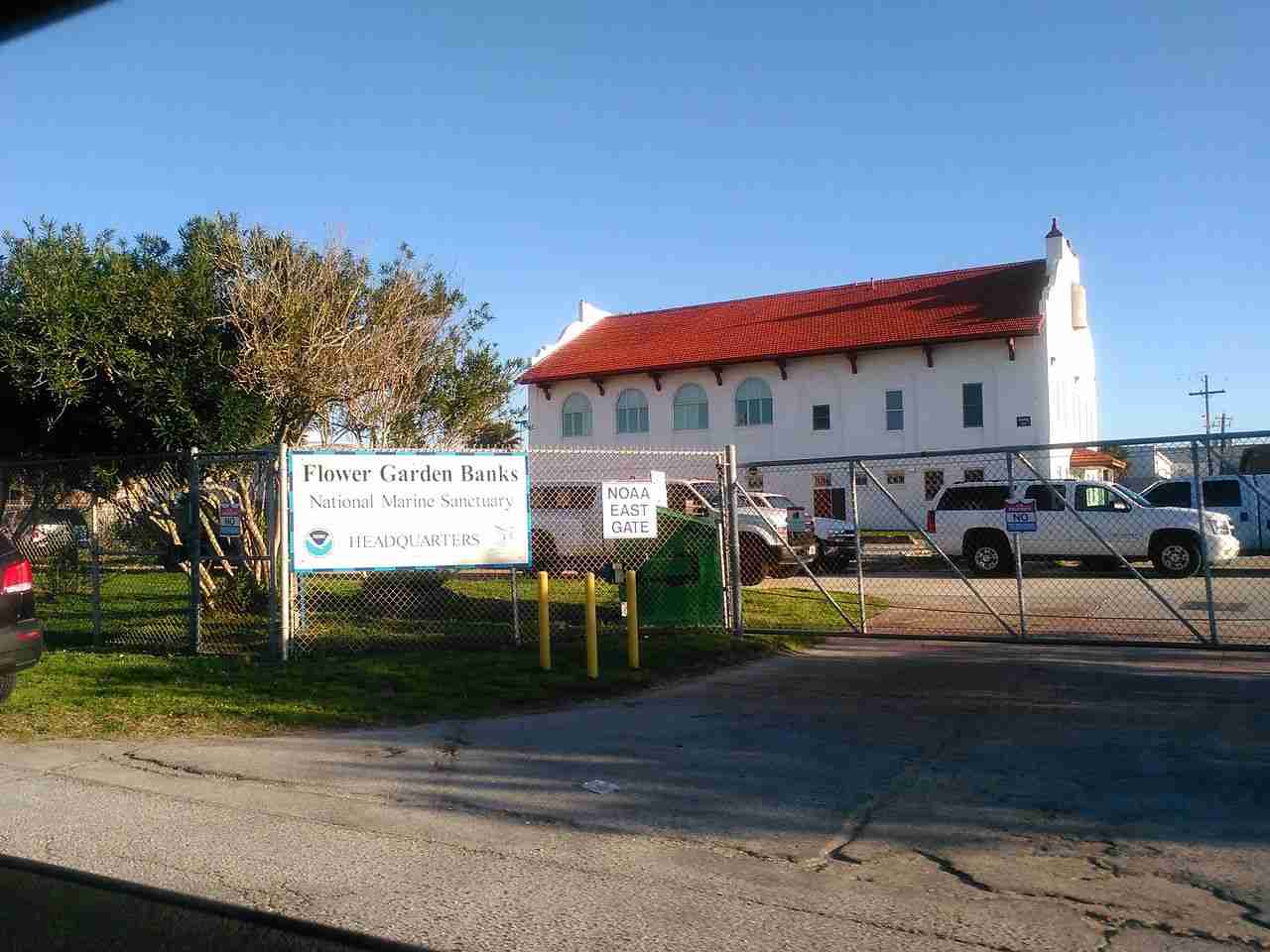
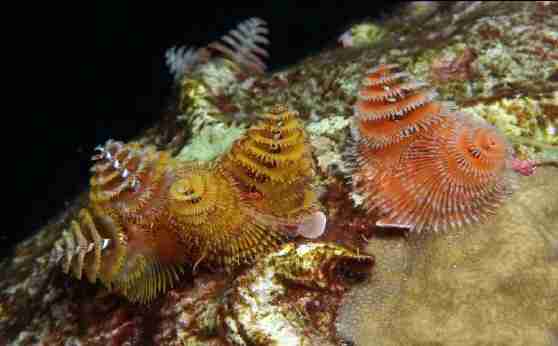
Flower Garden Banks
Map:
Sorry, no records were found. Please adjust your search criteria and try again.
Sorry, unable to load the Maps API.
Galveston
Texas
77551
United States
Not applicable; the sanctuary is accessible only by boat, primarily for diving and fishing activities.
-
Scuba diving
-
Recreational fishing
-
Underwater photography
-
Wildlife observation
As an offshore site, the sanctuary does not offer on-site amenities. Dive and fishing charters provide necessary services, including transportation, equipment rental, and guided tours.