
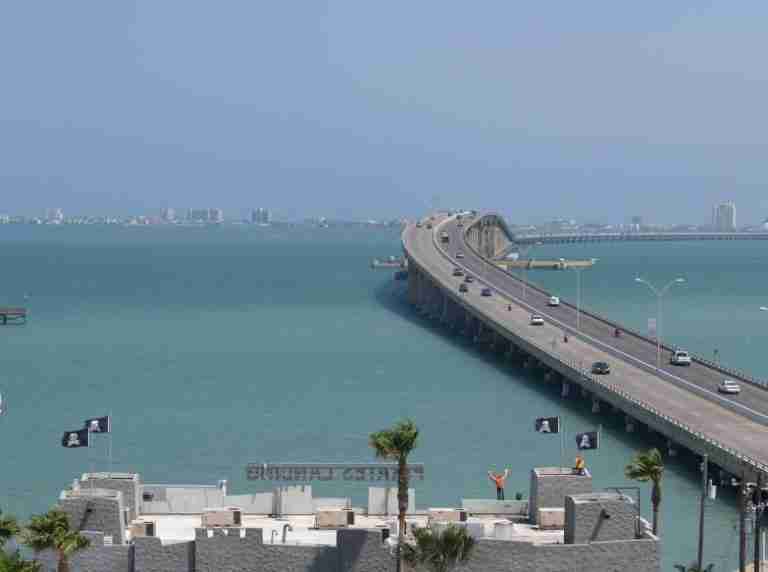
The lagoon known as Laguna Madre lies along the Texas Gulf Coast, between the mainland and the barrier island system of Padre Island. It spans several counties (including Nueces, Kenedy, Kleberg, Willacy and Cameron) and forms a unique coastal ecosystem distinguished by its shallow waters, high salinity and significant biological productivity.
Location and Physical Characteristics
Laguna Madre stretches for about 130 miles (roughly 210 km) along the coast of South Texas. It is naturally divided into two major sections: the northern part known as the Upper Laguna Madre and the southern part called the Lower Laguna Madre. The separation between them is marked by a zone of sand and mud flats approximately 12 miles (20 km) long. The lagoon lies behind Padre Island, which acts as a barrier to direct ocean exchange. On average the water depth of the lagoon is around 1 metre (about 3.3–3.6 feet) in its natural parts, although some dredged shipping channels are deeper. Because of its semiarid setting, minimal freshwater inflow and limited open-ocean interchange, Laguna Madre is classified as a hypersaline lagoon (meaning its salinity can exceed that of typical seawater).
Salinity and Habitat Conditions
The hypersaline status of Laguna Madre results from low rainfall, scant river input, shallow depth and high evaporation. These conditions combine to raise its salinity above standard marine levels. The unusual water-chemistry and clarity foster extensive seagrass meadows on the lagoon floor. In fact, these seagrass beds cover a large proportion of the substrate and account for more than 75–80 percent of the seagrass habitat remaining on the Texas coast. These habitats support fish, shrimp, crabs and waterfowl under conditions that many other bays cannot sustain.
Ecological Importance
Laguna Madre is ecologically significant in several respects. The seagrass beds provide nursery grounds for juvenile marine species and feeding grounds for adults. Over 75 percent of the world’s overwintering population of redhead ducks (Aythya americana) rely on the lagoon and its Mexican counterpart for habitat. The lagoon also supports other bird species, migratory shorebirds and rare habitats such as wind-tidal flats and unique hard-substrate reefs (including serpulid worm reefs). Because much of its shoreline remains undeveloped and protected (by parklands, wildlife refuges and private ranches), Laguna Madre retains a high degree of natural integrity relative to many coastal systems.
Recreation and Human Use
Despite its seemingly harsh conditions due to high salinity and shallow depth, Laguna Madre is popular with anglers, birdwatchers and nature-enthusiasts. The clear, shallow waters enable sight fishing and wading in many areas. The barrier island system and adjacent national seashore provide access points for boating, kayaking, bird‐observing and shoreline walking. Commercially, the lagoon has supported shrimping, crabbing and small-boat fishing operations over many decades. Development is limited in many stretches, which helps preserve both the scenic and ecological value of the area.
Conservation and Challenges
The unique nature of Laguna Madre brings both value and vulnerability. The specificity of its habitats—such as hypersalinity, seagrass dependence and minimal freshwater input—means that changes to circulation, salinity or sedimentation may have outsized effects. Dredging, roadway and channel construction, nutrient runoff and invasive species all pose potential threats. Conservation efforts focus on maintaining the quality of seagrass meadows, protecting bird and fish habitat, and preserving water-exchange regimes that support ecological balance rather than collapse into less productive states.
Summary
Laguna Madre stands out as a shallow, hypersaline lagoon along the Texas coast, divided into upper and lower segments behind Padre Island. Its shallow average depth and high salinity foster extensive seagrass beds that support rich marine and bird life. Recreational use and ecological importance are high, and ongoing conservation efforts aim to maintain its distinctive nature in the face of human and environmental pressures.
Photos:
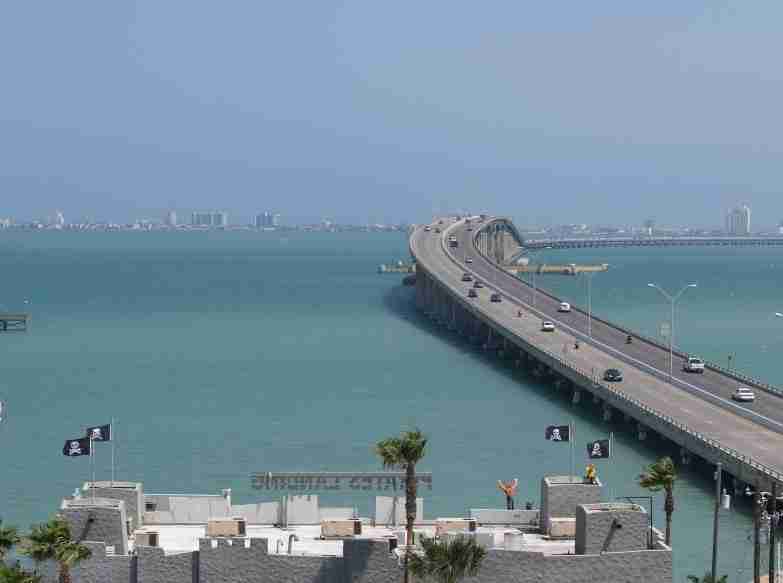
Laguna Madre
Map:
Sorry, no records were found. Please adjust your search criteria and try again.
Sorry, unable to load the Maps API.
Houston
Texas
78418
United States
Yes, pets are welcome.
- Fishing
- Boating
- Birdwatching
- Kayaking
-
-
Bathhouse
-
Laundry Room
-
Free Wi-Fi
-
Heated Pool
-
BBQ Area
-
Electric Hookups (110, 30, 50 amp)