

Lake Buchanan lies in the heart of the Texas Hill Country, spanning Burnet and Llano counties. It was created by the construction of Buchanan Dam on the Colorado River, one of the most important infrastructure projects in early twentieth-century Texas. The dam was completed in 1938 under the management of the Lower Colorado River Authority (LCRA), marking the beginning of the Highland Lakes chain.
Construction and Engineering
Buchanan Dam stretches approximately 2 miles (around 11,200 feet) and stands about 145 feet tall. When completed, it was considered one of the longest multiple-arch dams in the United States. Its design was an engineering milestone for the time, combining strength and efficiency to manage the unpredictable Colorado River. The reservoir behind it, Lake Buchanan, became a central water resource for the region and a source of hydroelectric power generation.
Size and Hydrology
Covering an area of roughly 22,000 to 23,200 acres, Lake Buchanan is the largest of the Texas Highland Lakes by surface area. It reaches a maximum depth of about 132 feet and holds more than 875,000 acre-feet of water at full capacity. The reservoir helps regulate downstream water flow and supports both residential and agricultural needs across Central Texas.
Recreation and Wildlife
The 124-mile shoreline of Lake Buchanan offers ample space for recreation. Its clear waters and scenic setting make it popular for boating, kayaking, and swimming. Anglers frequent the lake for its diverse fish population, which includes largemouth bass, white bass, striped bass, and several types of catfish. Parks and resorts surrounding the lake, such as Cedar Point Recreation Area and Inks Lake State Park nearby, provide camping, picnicking, and wildlife-viewing opportunities.
Historical Significance
Lake Buchanan was named in honor of U.S. Congressman James P. Buchanan, who played a key role in securing federal funds for the dam’s construction. The project represented a major turning point in regional water management and economic development during the 1930s. Today, the lake continues to serve as both a water source and a recreational centerpiece for the Hill Country.
Natural Beauty and Local Life
Beyond its practical purpose, Lake Buchanan is known for its rugged beauty. Rolling granite hills, quiet coves, and abundant wildlife define the landscape. Sunset views over the water attract photographers and visitors year-round, while small communities along its shores, such as Tow and Burnet, maintain a laid-back, welcoming atmosphere for travelers seeking peace in nature.
Photos:
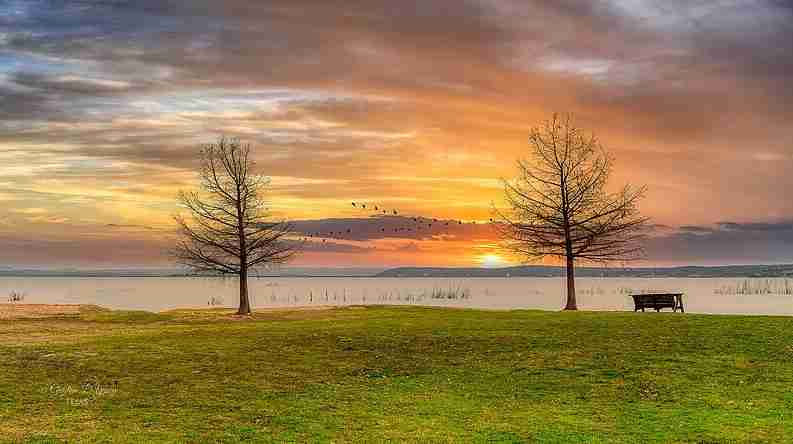
Lake Buchanan
Map:
Sorry, no records were found. Please adjust your search criteria and try again.
Sorry, unable to load the Maps API.
Houston
Texas
78609
United States
Yes, pet-friendly cabins are available.
-
Swimming
-
Kayaking
-
Bank fishing
-
Picnicking
-
Mini golf
-
Cabins (standard and pet-friendly)
-
Tent camping sites
-
RV campsites with full hookups
-
Picnic areas
-
Rental facilities for group activities
-
Equipment rentals (canoes, kayaks, paddleboards)
-
Mini golf course