
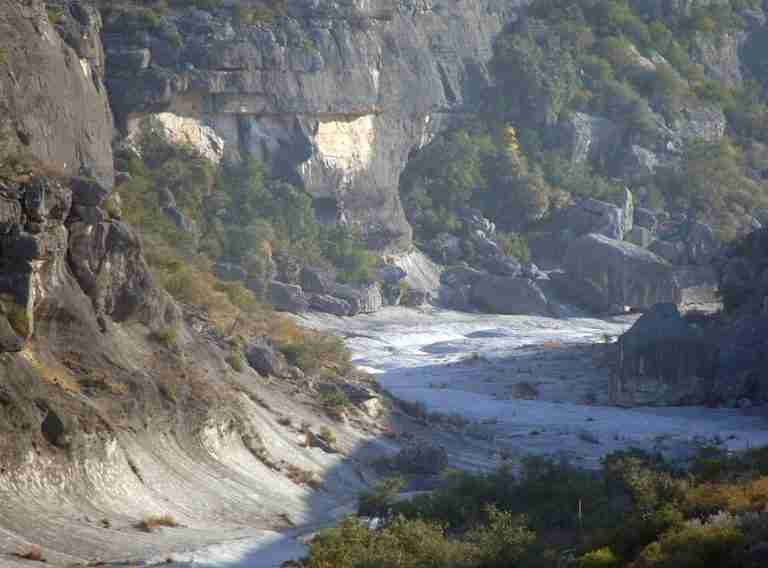
Seminole Canyon State Park & Historic Site sits in Val Verde County, about nine miles west of Comstock along U.S. Highway 90. The park covers approximately 2,172.5 acres. The land was acquired by the state during the 1970s, and the park opened to the public in February 1980. Its terrain consists of dramatic limestone canyons carved over thousands of years by tributaries leading to the Rio Grande. Sheer walls, exposed geological layers and wide-open desert views define the landscape.
Ancient Presence and Rock Art Heritage
Evidence of human activity in this region reaches back roughly 12,000 years. As the climate shifted to conditions similar to today, hunter-gatherer groups left behind a remarkable record in the form of pictographs. Many of these paintings, created several thousand years ago, are part of what archaeologists call the Pecos River Style. Fate Bell Shelter, one of the largest rock shelters in the area, contains some of the most significant and well-preserved panels. Because these sites are fragile, access is restricted to guided tours that allow visitors to view the artwork while helping protect it.
Cultural and Historical Context
The park’s name reflects its connection to the Black Seminole Scouts, also known as Seminole-Negro Indian Scouts. These scouts served in the region during the late 19th century as part of U.S. Army frontier forces. Their presence contributed to maintaining security along the Texas borderlands during a time of frequent conflict. Before becoming a protected site, the broader area supported ranching operations in the early 20th century, adding another layer to the canyon’s long human story.
Trails and Visitor Experience
The park offers several designated trails that showcase both the canyon interiors and the surrounding desert environment. One of the best-known routes, the Canyon Rim Trail, runs roughly 4.9 miles one way and follows high ridgelines overlooking Seminole Canyon and the Rio Grande corridor. Additional trails, including shorter nature loops and moderate routes, give visitors a range of options for hiking and biking. Access to rock shelters and deeper canyon routes is only available through guided tours to safeguard archaeological resources.
Art and Interpretation
Near the visitor center, guests encounter a large bronze sculpture titled The Maker of Peace by Texas artist Bill Worrell. Created in 1994, the sculpture stands more than 17 feet tall. It serves as an artistic tribute to the ancient peoples who painted the canyon walls and reflects the cultural significance of the surrounding landscape.
Planning a Visit
Guided tours to the Fate Bell Shelter and other restricted areas are generally offered Wednesday through Sunday. Because the canyon environment can be rugged, visitors benefit from sturdy footwear, ample drinking water and sun protection. The park includes campsites, restrooms and basic facilities for those planning overnight stays. Its remote setting and preserved archaeological sites make it one of Texas’s most important cultural and natural destinations.
Photos:
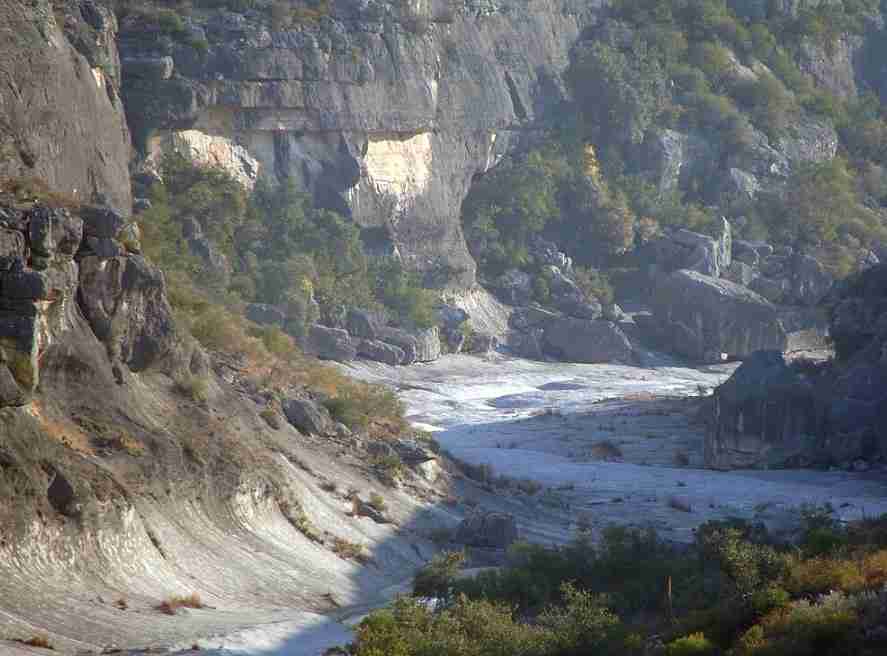
Seminole Canyon State Park & Historic Site
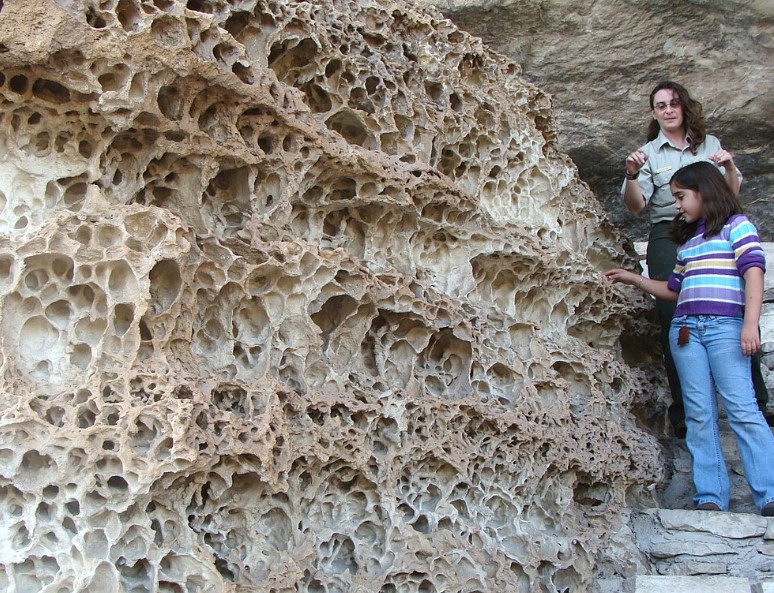
Honeycomb weathering in the canyon
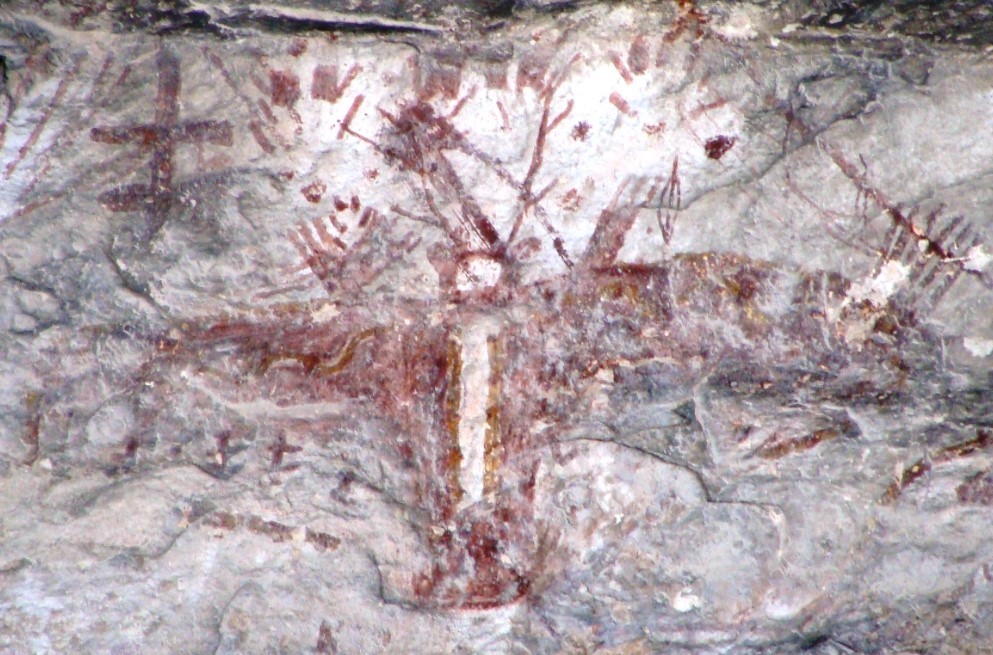
Pictograph of shape shifting bear with antlers
Map:
Sorry, no records were found. Please adjust your search criteria and try again.
Sorry, unable to load the Maps API.
Comstock
Texas
78837
United States
- General Areas: Pets are permitted in most outdoor areas of the park.
- Guidelines: For detailed pet policies, it's recommended to contact the park directly.
- Guided Rock Art Tours: Experience the ancient pictographs of Fate Bell Shelter through scheduled tours led by knowledgeable guides. These tours provide historical context and insights into the region's early inhabitants.
- Hiking and Biking: Explore trails such as the Canyon Rim Trail and Rio Grande Trail, offering scenic views and opportunities to observe the park's diverse flora and fauna.
- Camping: The park offers various camping options, including sites with water and electricity, as well as primitive sites for a more rugged experience.
- Wildlife Viewing and Birding: The park's diverse ecosystems support a variety of wildlife, making it ideal for nature observation and bird watching.
- Picnicking: Designated picnic areas equipped with tables and grills are available for day-use visitors.
- Visitor Center: Features exhibits on the park's history, archaeology, and natural resources, providing educational insights for visitors.
- Restrooms and Showers: Facilities are available throughout the park for visitor convenience.
- Camping Facilities: Options range from sites with water and electricity to primitive campsites, accommodating various camping preferences.
- Picnic Areas: Shaded spots equipped with tables and grills, perfect for family outings and gatherings.
- Trails: Over 10 miles of trails suitable for hiking and biking, offering diverse scenic experiences.
Zereshk, Seminole Canyon Park2, CC BY-SA 3.0
Zereshk, Wind erosion Seminole Canyon, CC BY-SA 3.0
Zereshk, Seminole Canyon Park6, CC BY-SA 3.0