
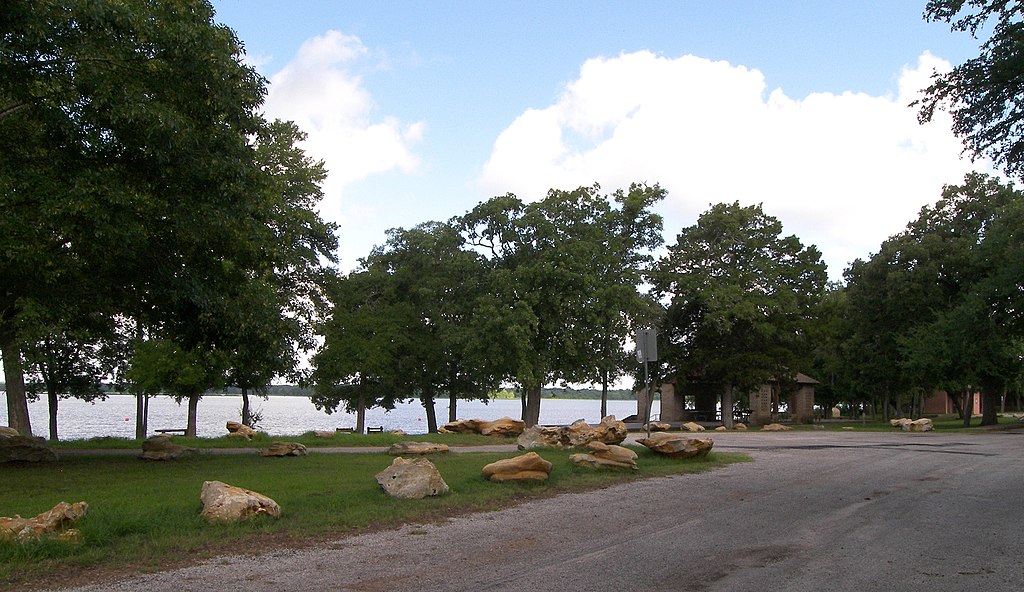
Fort Parker State Park sits just outside Mexia in Limestone County and covers about 1,458 acres. The park opened to the public in 1941 after the land was donated by the city of Mexia and local landowners in 1935. Much of the development took place under the Civilian Conservation Corps, which worked at the site from 1935 to 1942. CCC Company 3807, an African American unit, built many of the park’s early roads, facilities, and the dam that created Fort Parker Lake. The lake remains one of the central features of the park, offering calm water surrounded by woodlands and open spaces.
History and Cultural Resources
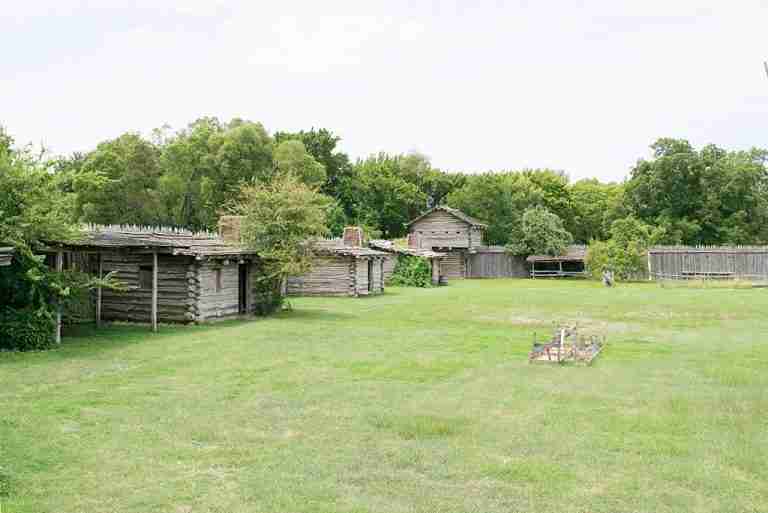
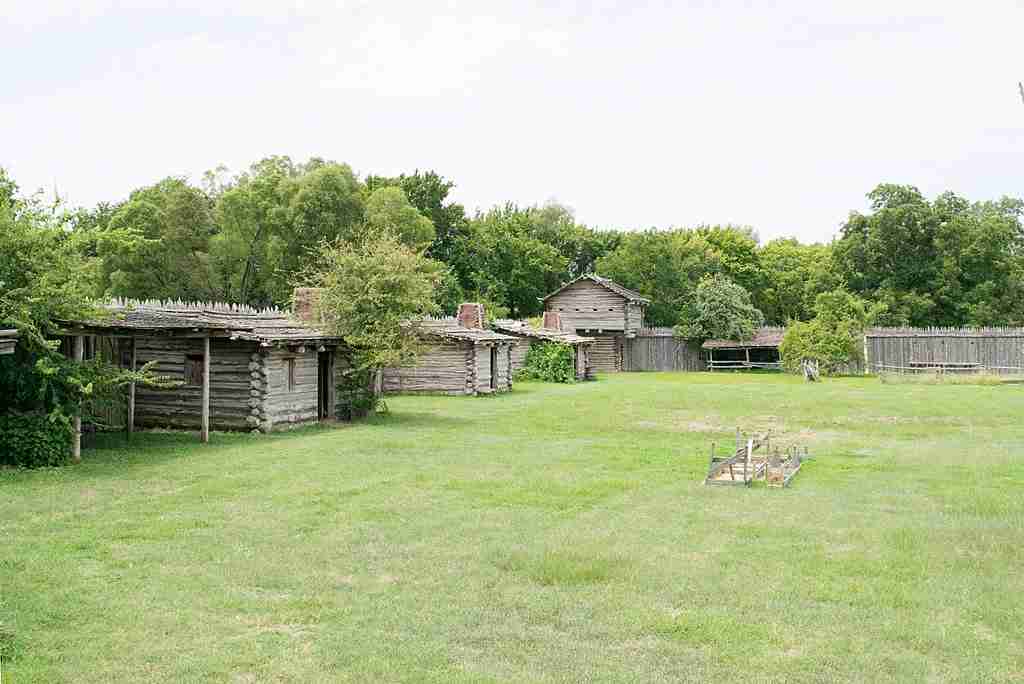
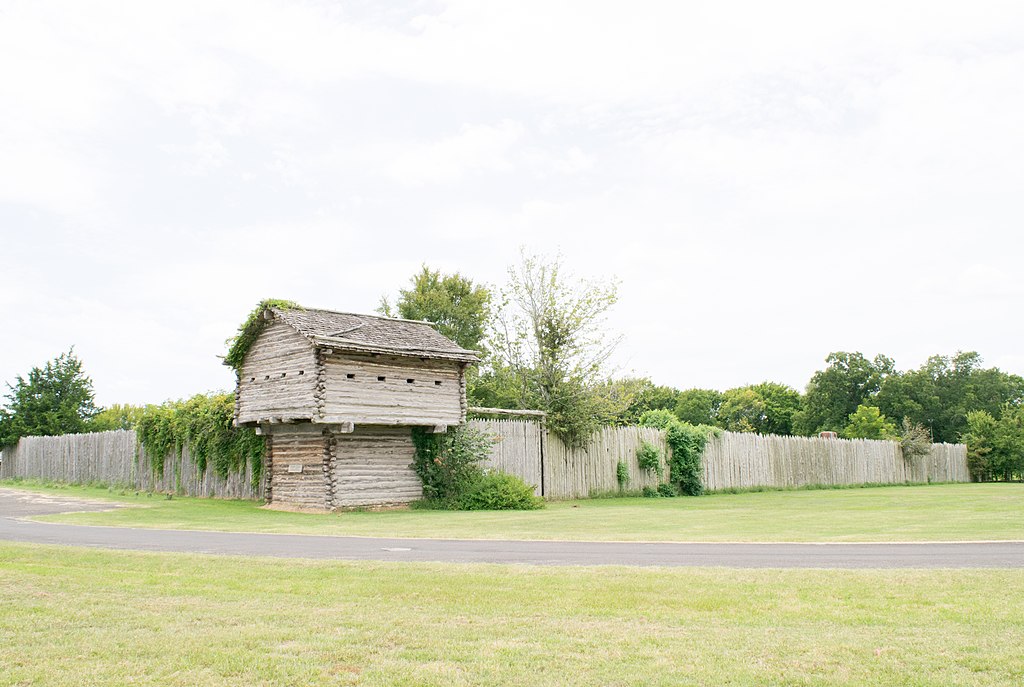
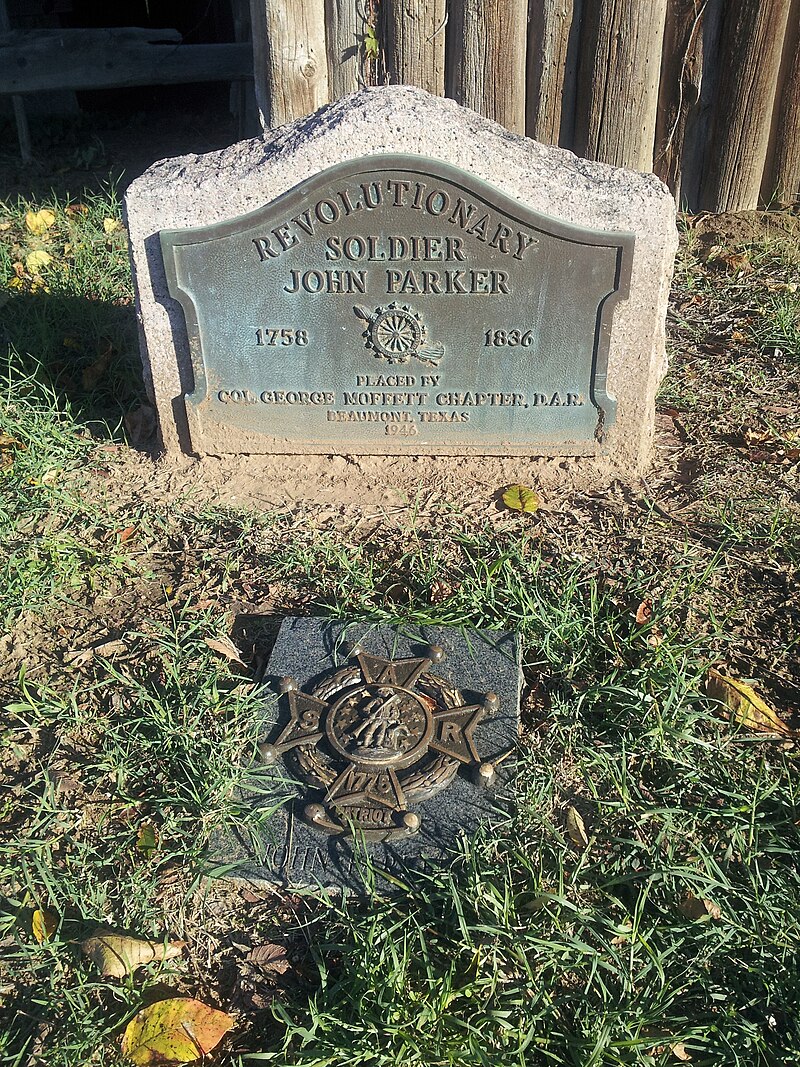
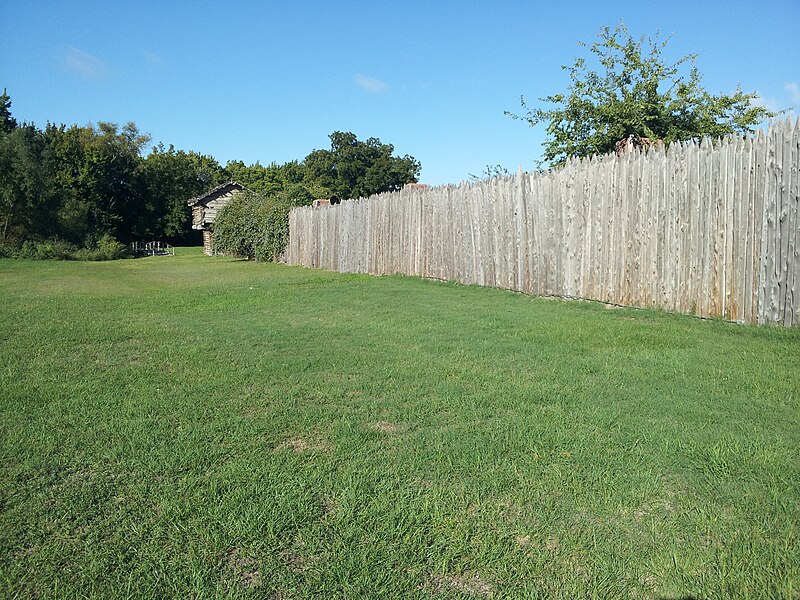
The park contains the site of the former town of Springfield, which served as the first county seat of Limestone County. Springfield eventually declined and disappeared, but the Old Springfield Cemetery still stands as its most visible remnant. The cemetery sits within the park boundaries and offers a look at the region’s mid-nineteenth-century heritage. Nearby, visitors can also access Old Fort Parker, a separate historic site tied to early frontier life in Texas.
Natural Features
Fort Parker State Park includes a mix of woodlands, prairie openings, and riparian areas along the Navasota River. Fort Parker Lake, created by the CCC-built dam in 1939, covers roughly 700 acres and supports a variety of plant and animal life. The park is known for its birding opportunities, including a great blue heron rookery at the lake. Deer, small mammals, and a wide range of bird species make the park a reliable wildlife-watching destination.
Trails and Outdoor Activities
The park offers several trails suitable for hiking and biking. The Springfield Trail provides a route through wooded areas and past cultural sites. The Navasota River Trail follows the waterway and gives access to shaded river views. The Baines Creek Trail extends deeper into the park’s natural backcountry. Boating, paddling, and fishing are common activities on both Fort Parker Lake and the Navasota River. The park also connects to the Limestone Bluffs Paddling Trail, a designated water route that covers about 10.8 miles in a loop.
Recreation and Visitor Experience
Fort Parker State Park provides camping areas, day-use sites, and water access points suited for families and outdoor travelers. Picnic areas and CCC-built facilities add historical character to the recreational spaces. With its combination of cultural landmarks, varied habitats, and accessible water activities, the park remains a steady choice for visitors looking to spend time outdoors in central Texas.
Photos:
Map:
Sorry, no records were found. Please adjust your search criteria and try again.
Sorry, unable to load the Maps API.
Mexia
Texas
76667
United States
- General Areas: Pets are allowed in many areas of the park, including campsites and trails.
- Restricted Areas: Pets are not allowed in the screened shelter, cabin, Group Barracks area, or any park buildings.
- Guidelines: Pets must be on a leash, in a car, or in a crate at all times, and must not be left unattended. Owners are responsible for cleaning up after their pets.
- Hiking and biking on designated trails
- Boating, canoeing, and kayaking
- Fishing in Fort Parker Lake and the Navasota River
- Wildlife observation and bird watching
- Swimming
- Picnicking
- Camping
- Participating in ranger-led programs and events
- Campsites with water and electricity
- Screened shelters and cabins (note: cabins do not have beds or bathrooms but are near restrooms with showers)
- Group barracks with dining hall, game room, and dormitories
- Restrooms with showers
- Playground
- Picnic areas
- Boat ramps
- Nature center
- Recreation hall and pavilion
- Canoe and kayak rentals
- Larry D. Moore, Fort parker state park, CC BY 4.0
-
Patrick Feller from Humble, Texas, USA, Old Fort Parker Historic Site 1708131329 (35797170354), CC BY 2.0
-
Patrick Feller from Humble, Texas, USA, Old Fort Parker Historic Site 1708131224 (36235754980), CC BY 2.0