
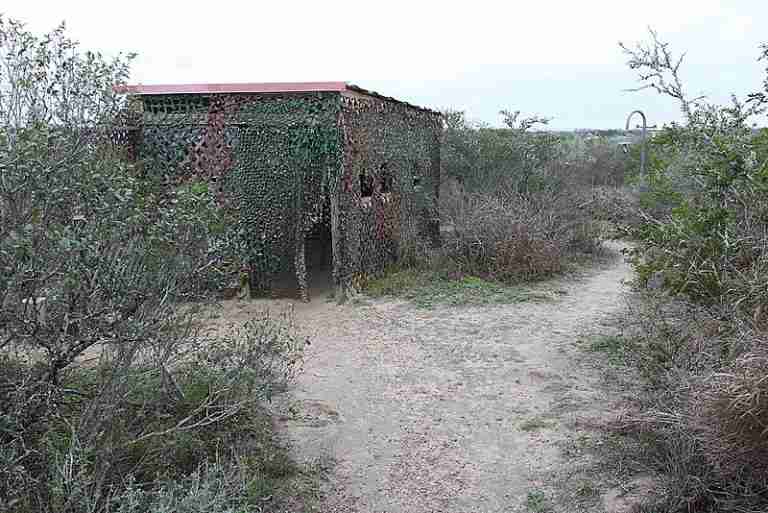
The park covers 572.6 acres in southern Texas. It lies in both Starr and Zapata counties, on gently rolling terrain covered with mesquite, huisache, wild olive, ebony trees, cacti and native grasses. The landscape reflects the Tamaulipan thorn-scrub ecosystem along the lower Rio Grande corridor. The park sits at the southern end of the Falcon International Reservoir, which spans the border between the United States and Mexico.
The reservoir was formed when the Falcon Dam was dedicated in October 1953 by U.S. President Dwight D. Eisenhower and Mexican President Adolfo Ruiz Cortines. Construction of the embankment was completed in 1954. The dam and reservoir serve water conservation, flood control, irrigation and recreation purposes.
The park opened to the public in 1965.
Recreation & Facilities
Visitors enjoy a wide range of outdoor activities. The reservoir offers boating, fishing, swimming and water skiing. A boat ramp provides access for watercraft, and a fish cleaning station is available. The park features campsites (including sites with water and electricity or full hookups), cabins and sheltered areas for family gatherings. There are hiking trails — for example, a loop trail of approximately 2.6 miles winds through the park.
For anglers, the lake is well known for species such as largemouth bass and channel catfish. The reservoir covers tens of thousands of acres, making it one of the larger freshwater bodies in the region.
Picnic areas, day-use zones and lakeshore access points round out the facilities for families and day visitors.
Wildlife & Bird Watching
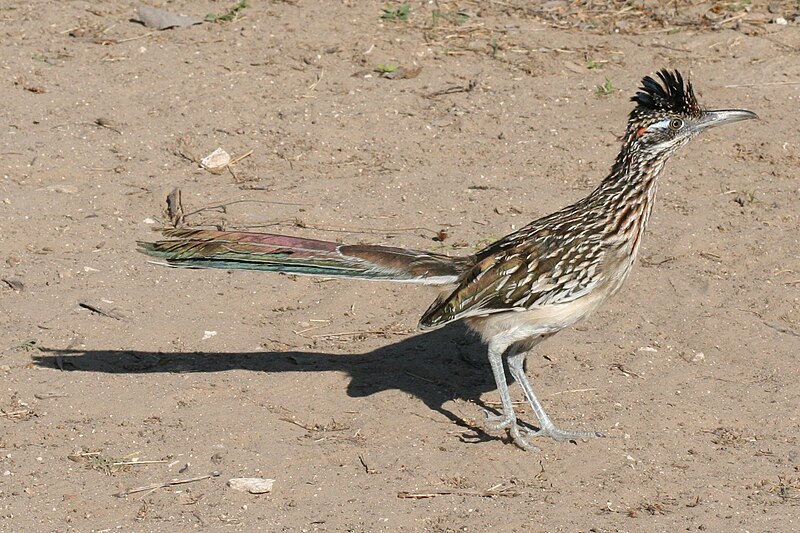
This park is a hotspot for bird-watching. More than 300 bird species have been documented here. The site lies at the northern edge of the range for many tropical species and hosts typical southwestern desert birds as well. Resident birds include the green jay, great kiskadee, greater roadrunner, Bewick’s wren, curve-billed thrasher and black-throated sparrow. Rarer sightings may include the zone-tailed hawk, ringed kingfisher and black-tailed gnatcatcher.
Mammals such as white-tailed deer and collared peccary (javelina) inhabit the park’s scrubs and woodlands. The lake’s shoreline and brushy slopes provide habitat for reptiles and other wildlife native to South Texas.
Historical & Borderland Context
Falcon State Park rests on ground with long human use, in a region shaped by the Rio Grande and the border’s ecology. The Falcon Dam stands as a symbol of joint U.S.–Mexico water management, as the reservoir crosses the international boundary and is managed by the International Boundary and Water Commission. The park preserves a fragment of the thorn‐scrub and riverside habitat that once stretched uninterrupted along the Rio Grande.
The setting also speaks to changing land uses — from irrigated border agriculture and flood‐control infrastructure to recreation and conservation. The lake’s presence transformed the riverine landscape and created the larger recreational waterscape that defines the park today.
Why It Stands Out
-
The convergence of a large reservoir, desert‐scrub terrain and the international border gives the park a rare combination of aquatic and arid land features.
-
Its location means visitors can find bird species seldom seen elsewhere in the contiguous United States, due to the park’s position on the edge of tropical and subtropical zones.
-
The size and openness of the reservoir support substantial boating and fishing opportunities, making it appealing for both beginner and experienced anglers.
-
For people seeking a relatively remote outdoor experience in Texas with strong nature and wildlife components, the park brings full value without needing to travel far into rugged backcountry.
Photos:
Map:
Sorry, no records were found. Please adjust your search criteria and try again.
Sorry, unable to load the Maps API.
Falcon Heights
Texas
78545
United States
- General Areas: Pets are welcome in most outdoor areas, including trails and campgrounds. They must be on a leash no longer than six feet and under control at all times. Owners are responsible for cleaning up after their pets.
- Restricted Areas: Pets are not allowed inside any park buildings.
- Fishing: Anglers can enjoy fishing for species such as largemouth bass, catfish, and crappie in the reservoir.
- Boating and Water Sports: The expansive reservoir is ideal for boating, water skiing, and jet skiing.
- Bird Watching: The park's diverse habitats make it a prime location for observing a wide variety of bird species.
- Hiking and Nature Trails: Visitors can explore self-guided nature trails that wind through the park's unique landscapes.
- Camping: The park provides facilities for both tent and RV camping, as well as cabin rentals.
- Campsites: Equipped with water and electricity hookups, accommodating both tents and RVs.
- Cabins: Available for rent, offering a comfortable stay with basic amenities.
- Picnic Areas: Designated spots with tables and grills for day-use visitors.
- Boat Ramp: Provides easy access to the reservoir for boating enthusiasts.
- Restrooms and Showers: Facilities available for visitor convenience.
- Group Pavilion: Can be reserved for special events and gatherings.