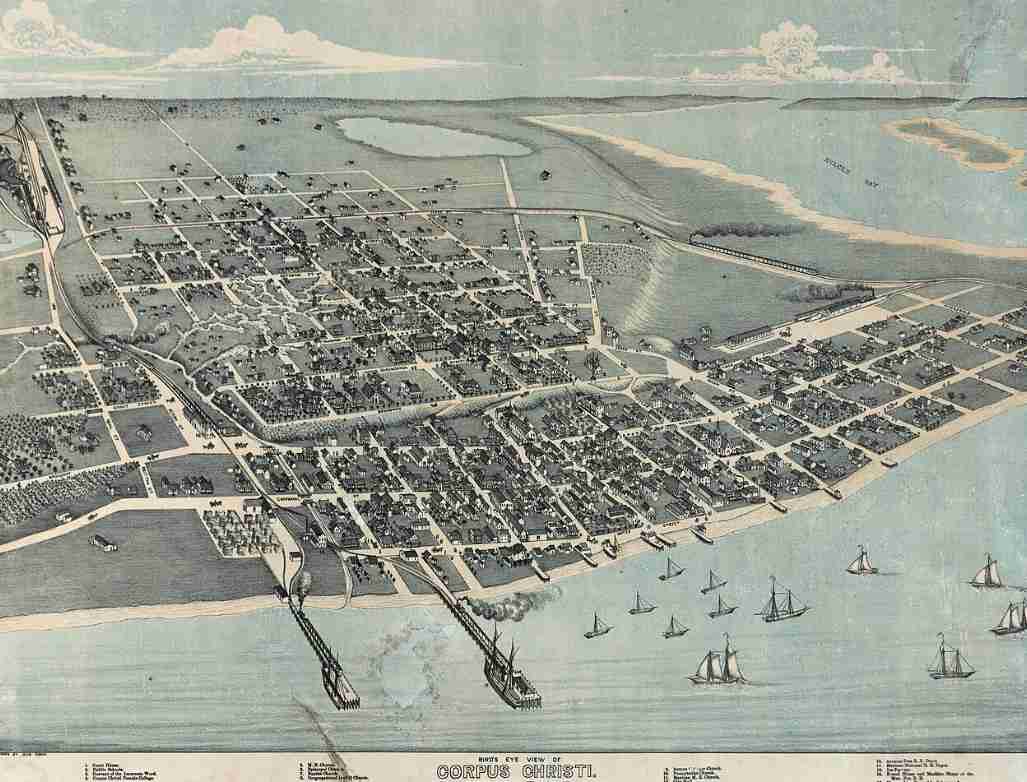
The Battle of Corpus Christi was a small but notable Civil War engagement fought along the Texas coast from August 12 to 18, 1862. It was part of the Union Navy’s West Gulf Blockading Squadron campaign, which sought to cut off Confederate ports and supply routes in the Gulf of Mexico.
Background
When the Civil War began in 1861, Texas was a key supplier of cotton to world markets, and Confederate leaders relied on its coastline to maintain trade and communication with Mexico and beyond. The Union, under Admiral David Farragut, initiated the West Gulf Blockade to choke off this trade.
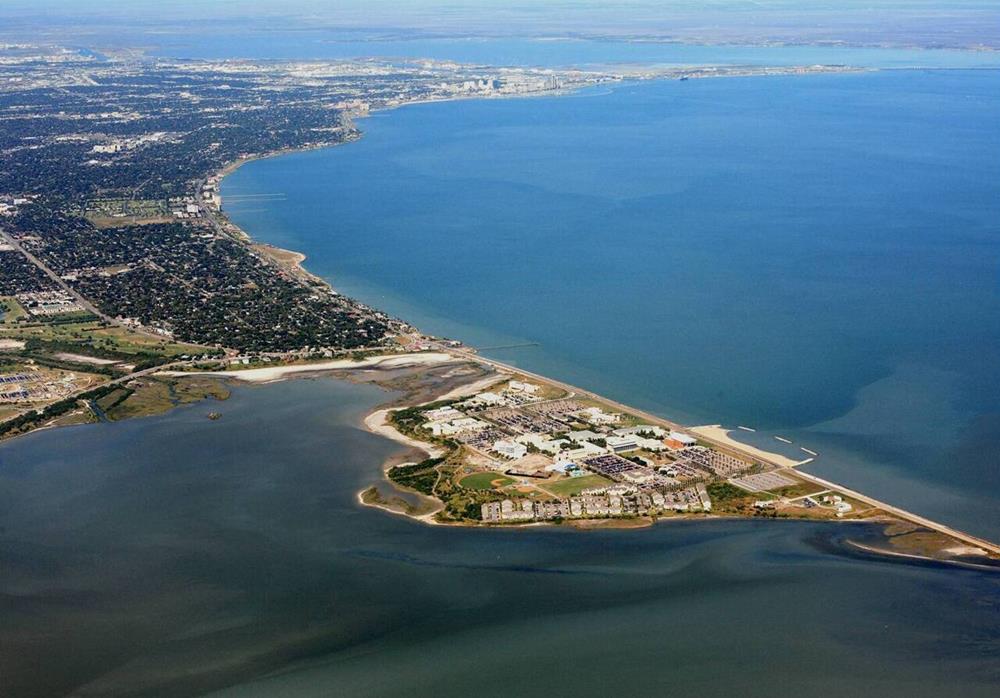
Corpus Christi was a small but strategically positioned port. It lay on Corpus Christi Bay, where ships could access inland areas and connect with the wider Gulf. For the Confederacy, the port served both as a trade outlet and as a base for blockade-running vessels. For the Union, shutting it down was a step toward tightening its blockade of Texas.
Commanders
-
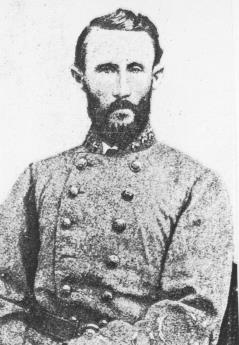
Union: The attacking force was led by Acting Volunteer Lieutenant John W. Kittredge, commander of the bark USS Arthur. He was joined by several smaller vessels.
-
Confederacy: At the beginning of the battle, Colonel Charles G. Lovenskiold commanded the local defenses, but by August 16, Major Alfred M. Hobby assumed leadership of the Confederate militia.
Strength of Forces
-
Union Navy: Approximately 100 sailors, supported by a small flotilla of vessels:
-
USS Arthur (flagship)
-
USS Sachem (sloop)
-
USS Corypheus (yacht)
-
USS Belle Italia (schooner)
-
USS Reindeer (steamer)
-
-
Confederate Defenders: Roughly 700 militia and volunteers, supported by artillery batteries at Fort Kinney and other emplacements protecting the shoreline.
The Battle
Initial Movements (August 12, 1862)
Kittredge’s squadron sailed into Corpus Christi Bay and anchored within range of the town. On the same day, the Union ships engaged the Confederate schooner CSS Breaker, forcing its crew to scuttle the vessel to avoid capture. This was an early tactical success for the Union, removing a Confederate naval asset from the bay.
Bombardment of the Town (August 13–16)
The Union vessels began a bombardment of Corpus Christi and Fort Kinney, shelling both the Confederate defenses and the town itself. Confederate artillery returned fire, but Union ships remained at a safe distance. Civilian structures in Corpus Christi were damaged during these exchanges.
Confederate Defense & Union Withdrawal (August 17–18)
On August 17, Union sailors attempted a landing operation to seize the town but were repelled by entrenched Confederate forces under Major Hobby. After several days of inconclusive shelling and facing stiff resistance, Kittredge withdrew his squadron on August 18.
Casualties
-
Union: About 2 wounded, no fatalities recorded.
-
Confederacy: Around 1 killed, 1 wounded.
-
Civilian Impact: The bombardment caused significant property damage in Corpus Christi, though civilian casualties appear to have been limited.
Outcome
The battle was indecisive in the short term:
-
The Union achieved some tactical success by neutralizing the CSS Breaker and damaging Confederate defenses.
-
However, the Confederates successfully defended Corpus Christi, preventing its capture.
Corpus Christi remained in Confederate hands after the battle, although defenses were eventually withdrawn later in the war as resources shifted elsewhere. The Union Navy did not occupy the town, but it continued to tighten control over the Texas coast, taking nearby Mustang Island and Aransas Pass in late 1863.
Significance
-
Part of the West Gulf Blockade
The battle demonstrated the Union Navy’s commitment to enforcing the blockade along the Texas coastline. Although the Union failed to occupy Corpus Christi, its operations disrupted Confederate shipping and weakened coastal defenses. -
Confederate Resilience
Local militia, supported by artillery, showed that even small Confederate garrisons could resist Union attacks if they were determined and well-positioned. -
Impact on Corpus Christi
The town endured bombardment, destruction of property, and increasing isolation as the Union blockade tightened. Internal divisions grew, with some residents supporting the Confederacy and others resenting the hardships brought by war. -
Foreshadowing Later Campaigns
While Corpus Christi itself remained under Confederate control, the Union Navy’s gradual advance along the Texas coast foreshadowed its eventual capture of Galveston (1863) and control over key coastal strongholds.
Photos: