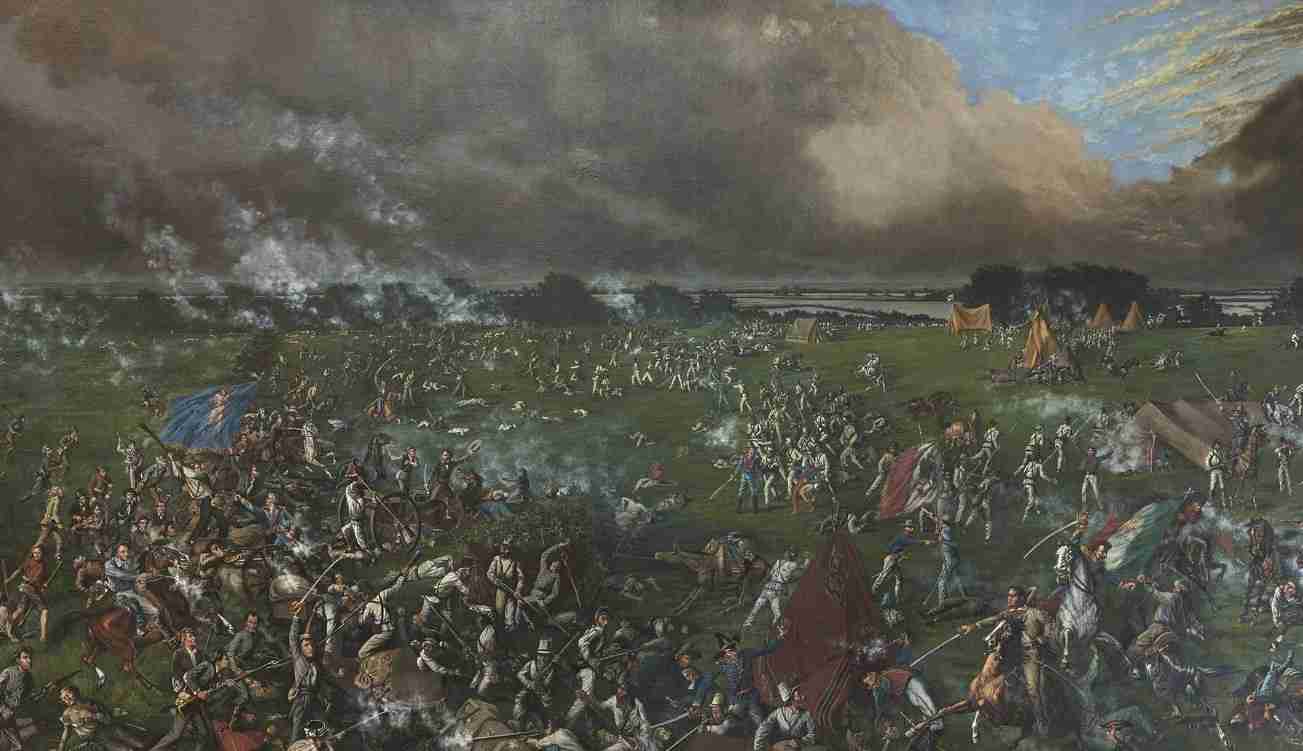
The Battle of San Jacinto, fought on April 21, 1836, was the decisive military engagement of the Texas Revolution. Taking place near present-day La Porte, Texas, this short but pivotal battle secured the independence of Texas from Mexico and set the stage for its later annexation by the United States.
Background
By the spring of 1836, Texian settlers (commonly called Texans) had been in open rebellion against the Republic of Mexico for several months. Mexican President and General Antonio López de Santa Anna personally led an army northward to crush the rebellion. After a series of defeats and retreats, including the fall of the Alamo and the massacre at Goliad, Texan morale was low.
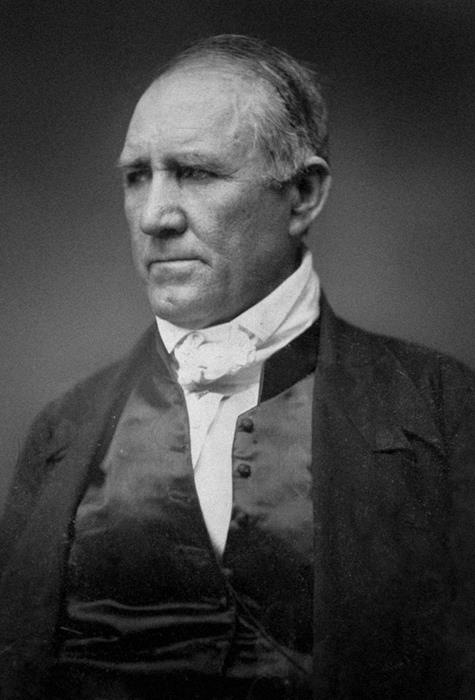
General Sam Houston, commander of the Texian Army, avoided direct confrontation until he could properly train and strengthen his forces. By April, Houston’s army numbered about 800 men, while Santa Anna’s Mexican force at San Jacinto was between 1,200 and 1,500 soldiers.
The Battle
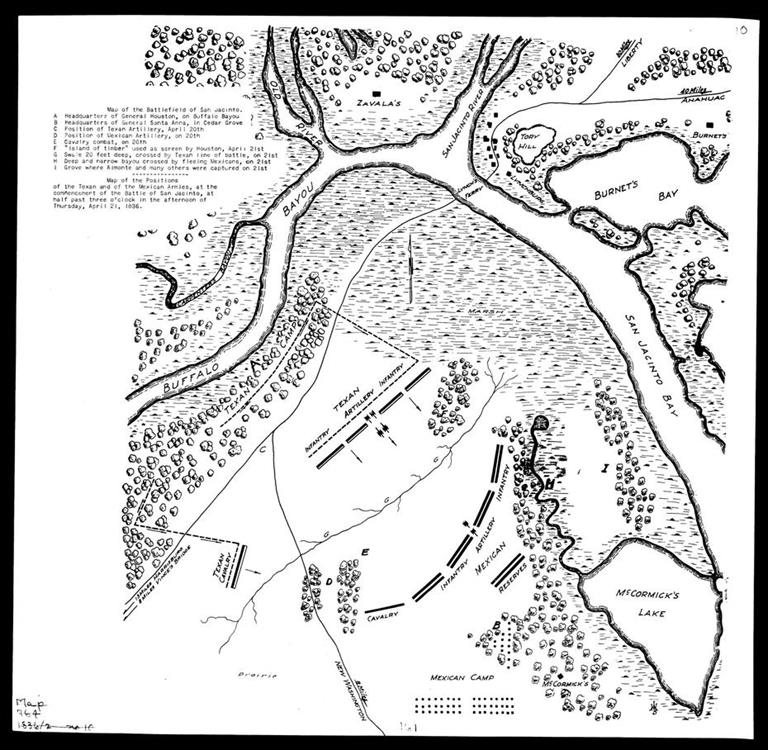
-
Date and Time: April 21, 1836, in the late afternoon.
-
Location: Marshy plains near Buffalo Bayou and the San Jacinto River.
Houston ordered a surprise attack while Mexican troops were resting. The Texians advanced through tall grass and brush, using the terrain for cover. With cries of “Remember the Alamo!” and “Remember Goliad!”, they charged the Mexican camp.
The actual combat lasted only about 18 minutes, though mopping-up operations and pursuit of fleeing Mexican troops continued for hours.
Casualties and Losses
-
Texian Army: 9 killed, about 30 wounded.
-
Mexican Army: Approximately 600 killed, around 700 captured, and several hundred more wounded or scattered.
The disproportionate losses made San Jacinto one of the most lopsided victories in military history.
Capture of Santa Anna
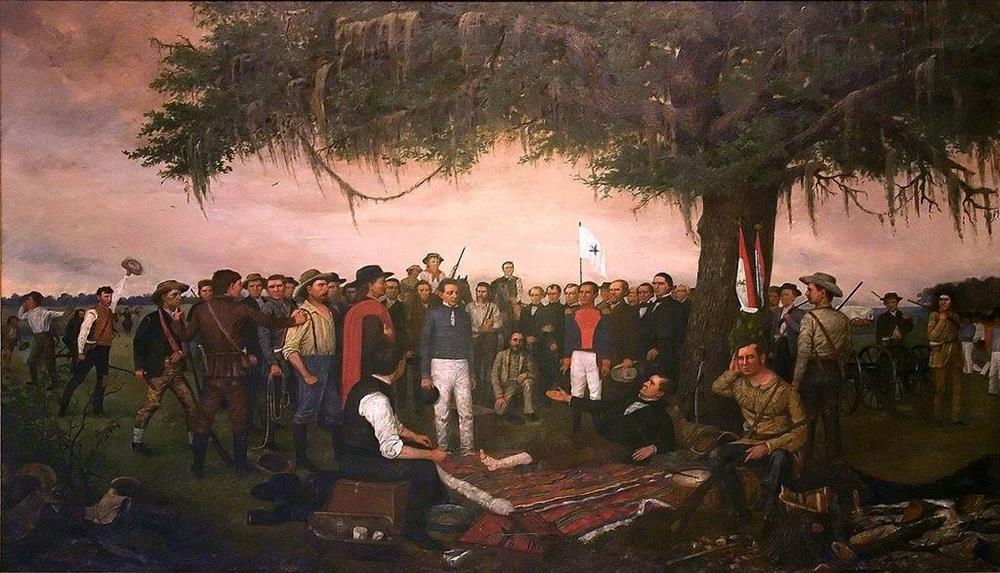
The following day, Santa Anna was captured while trying to escape in disguise. Brought before Houston, he was forced to order the withdrawal of Mexican troops from Texas.
Santa Anna also signed the Treaties of Velasco, agreeing to cease hostilities and recognize Texan independence. However, the Mexican government later rejected these treaties since they were signed under duress. Despite this, Mexico’s ability to retake Texas effectively ended with the battle.
Significance
The Battle of San Jacinto was a turning point in North American history:
-
It ended organized Mexican control over Texas.
-
It led to the creation of the Republic of Texas (1836–1845).
-
Texas was later annexed by the United States in 1845, which contributed to the outbreak of the Mexican–American War.
Commemoration
The victory is honored at the San Jacinto Monument, located at the battlefield site. Completed in 1939, the monument is a 567-foot-high column topped with a 220-ton star, making it the tallest masonry column in the world.
Contrary to popular belief, the monument does not feature a statue of Sam Houston. A famous statue of Houston, called A Tribute to Courage, stands in Huntsville, Texas, about 70 miles north of the battlefield.
Photos: