
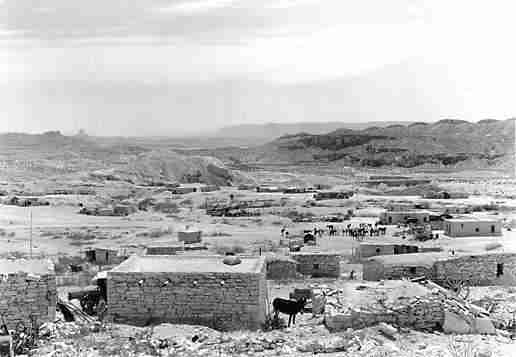
Terlingua is a tiny desert community in Brewster County, Texas, known both as a ghost town and a lively tourist stop near Big Bend National Park. Once a booming quicksilver mining hub in the early 1900s, it was nearly abandoned after the Chisos Mining Company collapsed in the 1940s. Today, visitors find a mix of adobe and stone ruins, the photogenic Terlingua Cemetery, and restored landmarks like the Starlight Theatre.
Its eclectic charm is heightened by artists, musicians, and adventurers who call it home, as well as its fame as the host of two major annual chili cook-offs that draw crowds from across the country.
Early Discovery and Settlement
The remote desert community of Terlingua, located in Brewster County near the Rio Grande and Big Bend National Park, traces its beginnings to the discovery of cinnabar—the ore used to produce mercury—in the mid-1880s. By 1888, the area was already producing commercial quantities of mercury, though the exact origins remain tied to local legend. Several mining outfits were active by 1900, including the Marfa & Mariposa, Lindheim & Dewees, and Excelsior companies. Collectively, these early ventures produced over 1,000 flasks of mercury, laying the foundation for what would become one of Texas’s most productive mining districts.
The Chisos Mining Company Era
The turning point for Terlingua came in 1903, when Chicago industrialist Howard E. Perry established the Chisos Mining Company. Under his leadership, Terlingua quickly transformed into a thriving company town and one of the nation’s top suppliers of quicksilver (mercury).
-
By the 1910s and 1920s, Terlingua had 1,000 to 2,000 residents.
-
The company provided housing, a commissary, a post office, a doctor, and even a hotel for Anglo employees and managers.
-
Infrastructure also included a school and, at times, telephone and water service.
The discovery of a rich cinnabar vein in 1914 fueled a surge in production, and by 1927 the Chisos Mine was the second-largest mercury supplier in the United States.
Decline and Abandonment
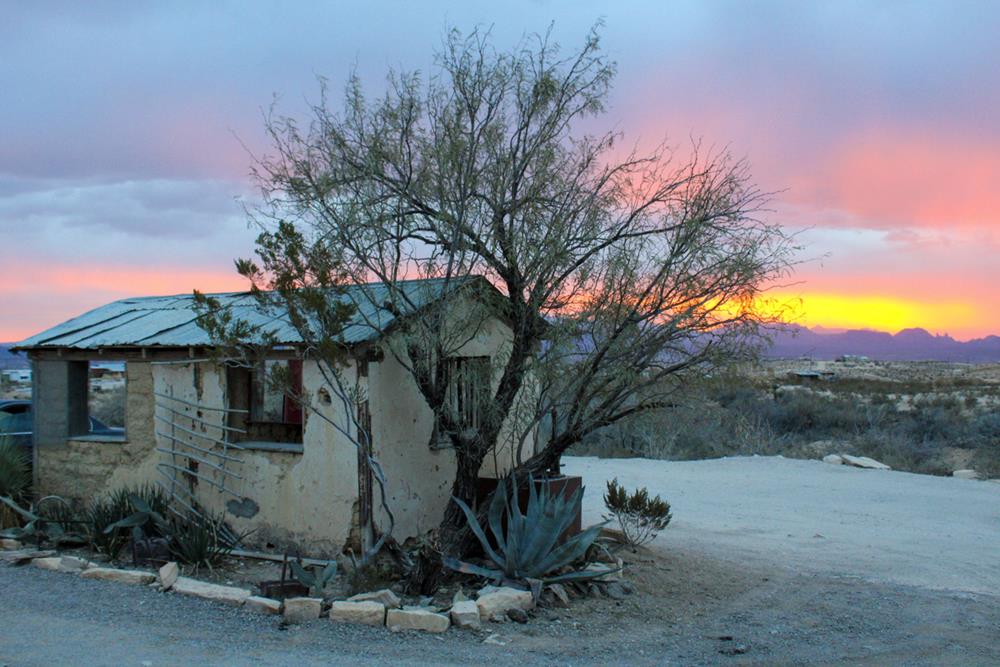
Terlingua’s fortunes shifted in the years following World War I. As European mercury supplies came back online, U.S. demand and prices dropped. The situation worsened during the Great Depression, though mining activity persisted into the 1930s. Ultimately, the Chisos Mining Company declared bankruptcy in 1942, and remaining operations ceased by the end of World War II. Much of the mining equipment was sold off for scrap, and the once-bustling town was left to deteriorate.
By the mid-20th century, Terlingua had become a ghost town, with only ruins of stone and adobe structures, rusting smelters, and the distinctive Terlingua Cemetery standing as reminders of its boom years.
Terlingua Today
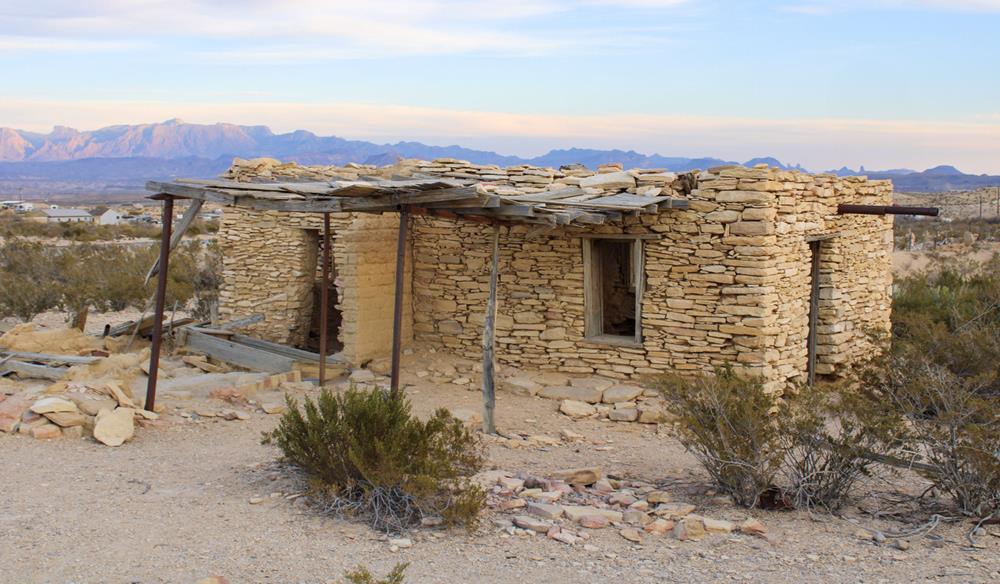
While the population dwindled to fewer than 100 permanent residents (78 recorded in the 2020 U.S. census), Terlingua has found new life as a destination for history buffs, adventurers, and chili lovers. Its proximity to Big Bend National Park draws thousands of tourists annually, who are intrigued by its weathered ruins, desert vistas, and quirky character.
Modern Terlingua blends the remnants of its mining past with an eclectic arts and tourism scene. Visitors frequent local landmarks such as the Starlight Theatre (a former movie house turned restaurant and music venue), the Terlingua Trading Company, and the photogenic Terlingua Cemetery with its stone crosses and handmade shrines. Artists, musicians, and free spirits now call the ghost town home, giving the place a distinctive mix of history and counterculture.
The Chili Capital of Texas
Terlingua’s modern fame is inseparable from chili.
-
The first chili cook-off was organized in 1967 by journalist Frank X. Tolbert and chili enthusiast Wick Fowler. Originally staged as a tongue-in-cheek contest between Texas and New York, it quickly grew into a tradition.
-
Since the 1980s, two rival events have been held simultaneously on the first weekend of November:
-
The Original Terlingua International Championship Chili Cook-off
-
The Terlingua International Chili Championship (CASI)
-
These events now span several days and include live music, parades, and competitions in beans, salsa, and “anything but chili.” While exact attendance figures vary, the festivals attract thousands of competitors and fans, many camping out in the desert. The cook-offs also serve charitable purposes, with recent editions raising tens of thousands of dollars for local and national causes.
Legacy and Significance
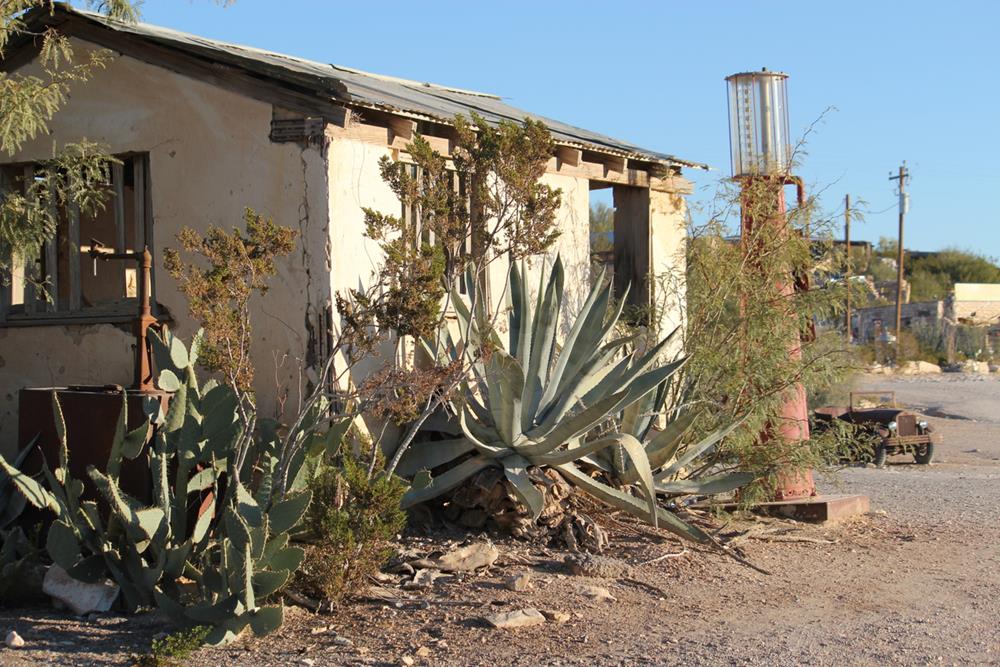
Terlingua is a striking example of the boom-and-bust cycle that shaped much of the American West. Once a center of industrial production, it declined into near-abandonment before reinventing itself as a cultural and tourist destination. Today, the ghost town’s ruins stand as monuments to Texas’s mining history, while its chili cook-offs have secured it a spot on the map of American food lore.
Photos: