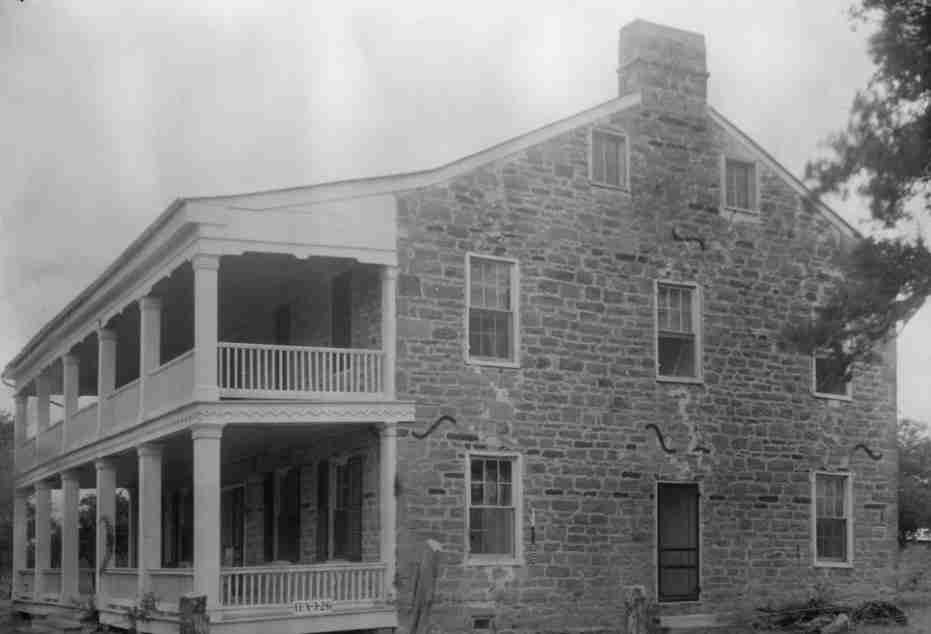
Sutherland Springs traces its beginnings to the late 1840s, when Dr. John Sutherland, Jr., a physician and early settler, built a plantation home overlooking the sulphur springs on Cibolo Creek. Known for their distinct mineral content, the springs were long valued by Indigenous peoples for their therapeutic qualities. In 1854, Sutherland formally platted the town, which quickly grew around the health and resort trade.
By the mid-19th century, the town featured essential infrastructure: a two-story hotel, bathhouses, a large sulphur-water swimming pool, a post office, and campground areas used for church meetings and social gatherings. These facilities, combined with the healing reputation of the waters, helped establish Sutherland Springs as one of Texas’s earliest resort towns.
“Saratoga of the South”
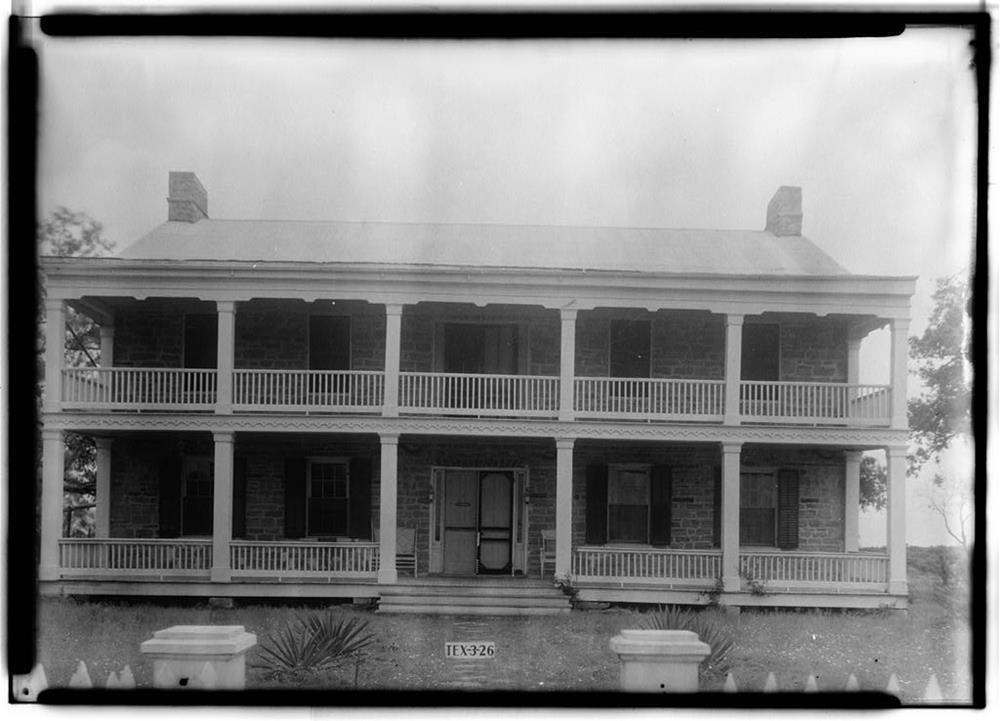
At its peak, Sutherland Springs was widely promoted as both the “Saratoga of the South” and the “Carlsbad of America.” Visitors came from across Texas and beyond, drawn by claims that the springs offered relief for ailments ranging from arthritis to skin disorders. A historical marker records that the area boasted as many as 27 distinct mineral waters, flowing from more than 100 hot and cold springs. These included white sulphur, black sulphur, and the locally famous “Hume Sour.”
County Seat and Political Role
When Wilson County was established in 1860, Sutherland Springs became its first county seat. The honor was short-lived. Following the Civil War, Reconstruction-era disputes—including a controversial demand by Judge William Longsworth for payment to retain the seat—sparked unrest. By popular vote, the seat was moved to Floresville, where it remains today.
New Sutherland Springs and the 1909 Expansion
In 1909, a new chapter began with the development of “New Sutherland Springs” across the creek from the original settlement. The expansion included a 52-room hotel, the largest concrete swimming pool in the South, and facilities designed to accommodate large church encampments and conventions. This development was the high point of the resort’s popularity, drawing tourists from across the state.
Disaster and Decline
Tragedy struck in 1913, when a catastrophic flood swept through the area and destroyed much of the New Town resort infrastructure. The decline was compounded by changes in travel patterns, competition from newer resorts, and a reduction in spring flows after about 1920. Within a few decades, the once-thriving spa town was largely in decline.
Some buildings survived, including the bank and locally remembered entertainment venues. While the “vintage theater” is often mentioned in oral histories, the bank building is the best-documented survivor from this era.
Present-Day Legacy
Today, Old Sutherland Springs remains a small but active community of about 600 residents. The ruins of New Town are privately owned, inaccessible to most visitors, and stand as quiet reminders of a once-thriving resort industry. Though diminished, the history of the springs remains a source of local pride and historic preservation efforts.
Key Takeaways
-
Founded: Formally platted in 1854 by Dr. John Sutherland, Jr., around mineral springs on Cibolo Creek.
-
Nickname: Known as the “Saratoga of the South” due to its 27 mineral waters and health resort reputation.
-
County Seat: Briefly served as Wilson County’s first seat in 1860 before relocation to Floresville.
-
Expansion: “New Sutherland Springs” (1909) boasted a 52-room hotel and the South’s largest concrete pool.
-
Decline: A flood in 1913 devastated the resort; reduced spring flow and competition hastened decline.
-
Present Day: Old Town maintains a population of about 600; New Town ruins are privately owned.
Photos: