
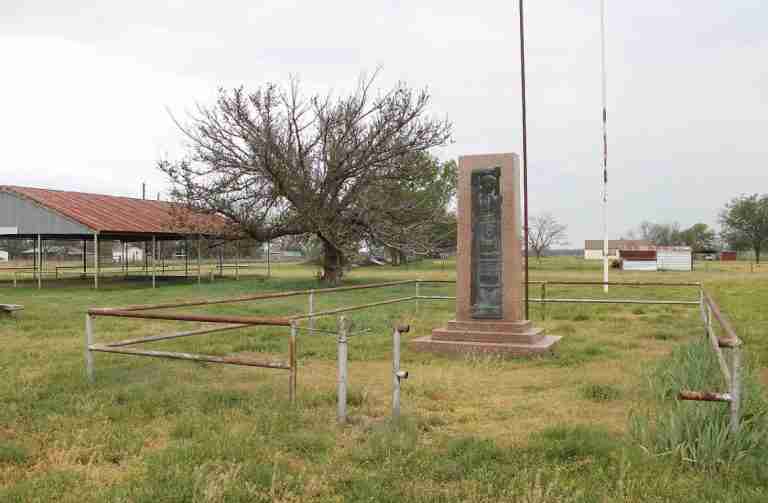
Spanish Fort, Texas, is a small unincorporated community in Montague County. It began as an 18th-century Taovaya–Wichita village, the site of a major 1759 battle where Indigenous forces defeated a Spanish expedition. Settlers later misidentified the ruins as a Spanish fort, giving the town its name. In the late 1800s it served as a cattle trail stop and the birthplace of H. J. Justin’s boot business, though it declined after being bypassed by the railroad. Today, it is a quiet rural community with only a handful of residents.
Early History and Taovaya Settlement
Spanish Fort, located along the Red River in northern Montague County, traces its origins to a mid-18th-century fortified village of the Taovaya, a band of the Wichita people. The Taovayas built a large settlement of grass houses and palisaded fortifications that served as a center of trade and alliance-building with neighboring tribes and with French traders.
In 1759, the site became the focus of one of the most significant Indigenous victories over European forces in Texas. A Spanish expedition led by Colonel Diego Ortiz Parrilla marched north from San Antonio with more than 600 soldiers, settlers, and allies, aiming to punish the Taovayas and their Comanche partners for raids in San Sabá country. The Spanish force attacked the fortified Taovaya village but was repelled in a decisive defeat. The defenders captured two Spanish cannons, and Ortiz Parrilla’s retreat marked a rare and humiliating setback for Spain’s colonial military presence on the northern frontier.
In 1778, Spanish official Athanase de Mézières gave the Taovaya village the name “San Teodoro,” recognizing its prominence. However, the settlement eventually declined as warfare, disease, and pressure from expanding European and American settlements altered the balance of power on the plains.
Misnaming and Origins of Spanish Fort
By the 19th century, when Anglo-American settlers reached the Red River valley, they encountered the ruins of the old Taovaya stronghold. Mistaking the earthen mounds and remnants of fortifications for the remains of a Spanish military post, they called the area “Spanish Fort.” Despite the error, the name stuck and became the official designation of the community that later grew nearby.
Cattle Trail Era and Community Development
The modern town began taking shape in the 1870s as a supply point for cattle drivers along the Western Trail, a branch of the Chisholm Trail. Initially called Burlington, the town became a watering and resting stop for herds headed north to Kansas railheads. In 1877, the U.S. Post Office officially changed the town’s name to Spanish Fort to avoid confusion with another Burlington in Texas.
At its peak in the 1880s, Spanish Fort was a bustling frontier town with around 300 residents. It had hotels, saloons, a Masonic lodge, doctors’ offices, blacksmith shops, and newspapers. Like many cattle towns, it was lively and rough-edged, reflecting its role as a hub for drovers and ranchers.
H. J. Justin and Bootmaking Origins
One of Spanish Fort’s most enduring legacies is its connection to the cowboy boot industry. In 1879, H. J. (Joe) Justin opened a boot and shoe repair shop in the town. He soon began crafting custom boots for cattle drivers who passed through, tailoring them for fit and durability. Justin’s craftsmanship and reputation spread quickly along the cattle trails.
When the railroad bypassed Spanish Fort in 1889, the town’s economic prospects dimmed. Justin responded by relocating his business to Nocona, Texas, where he could more easily distribute his boots. The company later became Justin Boots, one of the best-known names in Western footwear.
Decline and Later Years
Spanish Fort’s population declined steadily after the railroad bypass and the cattle trails faded from use. While it remained a small rural community through the early 20th century, the town never regained its former prominence. By the mid-20th century, only a fraction of its earlier population remained.
Census estimates put the population at around 250 in 1900, dwindling to fewer than 50 by the late 20th century. By 2000, about 50 people still lived in or near the community, which today is considered a semi-ghost town. Its heritage survives through historical markers, the old cemetery, and recognition of its role in both Indigenous history and Texas frontier culture.
Key Facts About Spanish Fort
-
Taovaya Victory (1759): A Spanish force under Diego Ortiz Parrilla was defeated at the Taovaya stronghold, one of the rare major Indigenous victories against European forces in Texas.
-
Misnomer: Settlers mistakenly thought the village ruins were remnants of a Spanish fort, giving the community its lasting name.
-
Cattle Town Hub: In the late 19th century, Spanish Fort thrived as a cattle drivers’ stop with hotels, saloons, and businesses catering to ranching life.
-
Bootmaking Beginnings: H. J. Justin founded his bootmaking business there in 1879 before relocating to Nocona, where Justin Boots grew into a leading Western brand.
-
Decline: Bypassed by railroads and left behind as cattle trails closed, Spanish Fort saw its population shrink through the 20th century, reaching only about 50 residents by 2000.
Photos:
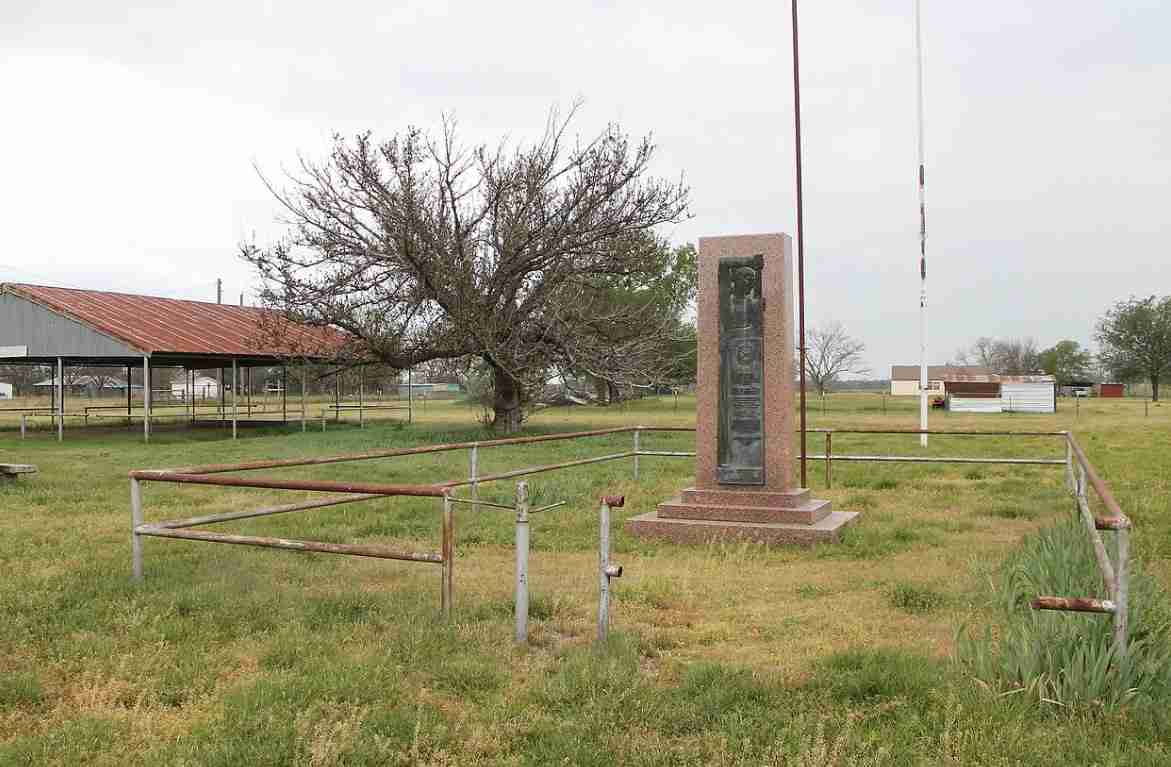
Spanish Fort
Map:
Sorry, no records were found. Please adjust your search criteria and try again.
Sorry, unable to load the Maps API.
Montague County
Texas
76255
United States
- Yes—on-leash, allowed on roads and public spaces; respect private property
- Explore historic marker and old schoolhouse, photograph rural architecture, research Indigenous and cattle-trail history
- None