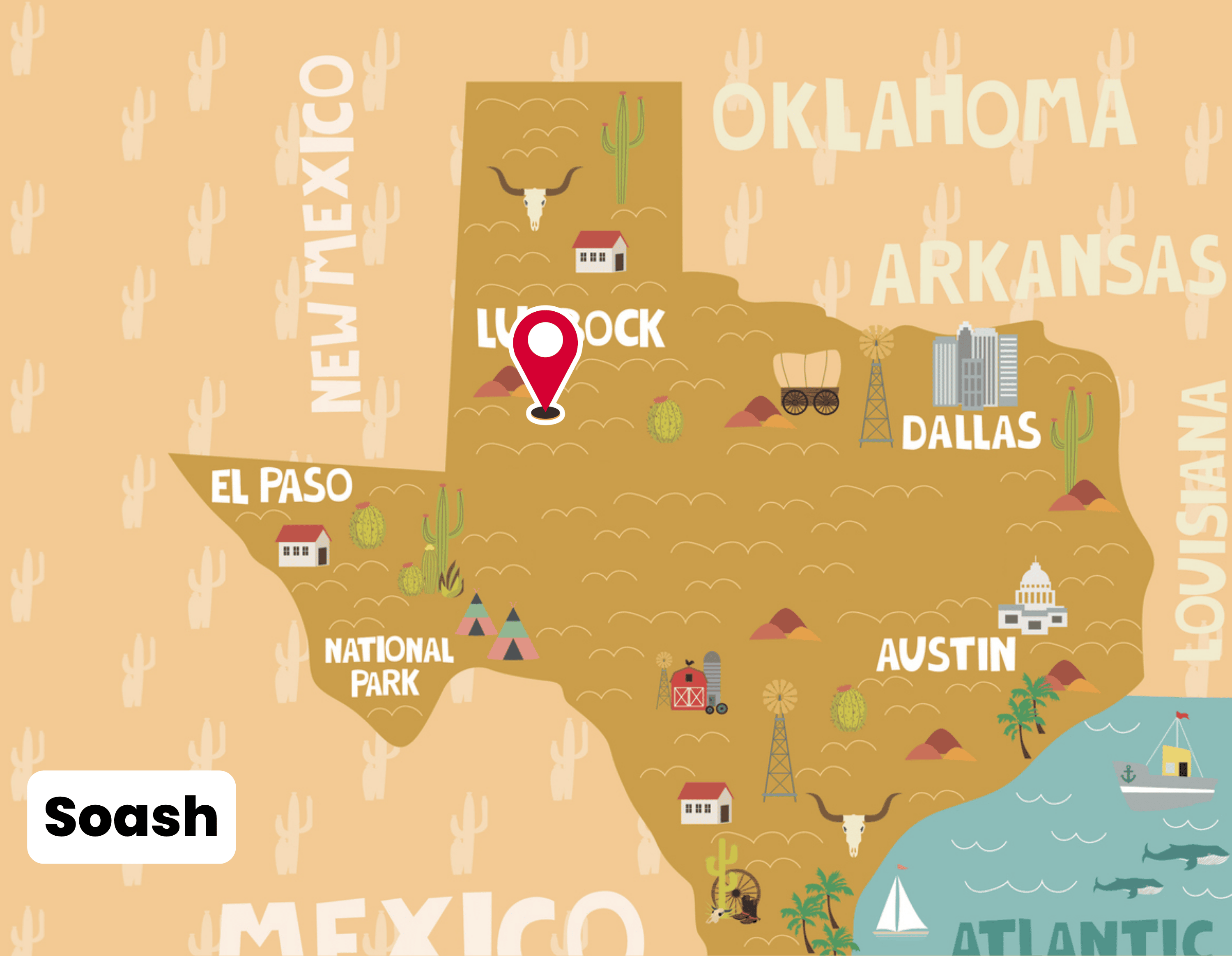
Soash, Texas, founded in 1909 by land promoter William P. Soash, was a speculative farming town on the South Plains. Boasting early amenities like a brick bank, the Hotel Lorna, and an electric plant, it thrived briefly through aggressive promotion. Drought, poor soil, and competition from nearby Lamesa soon doomed it, and by 1917 the post office closed, leaving only the bank’s concrete shell as a reminder of the failed venture.
Founding and Development
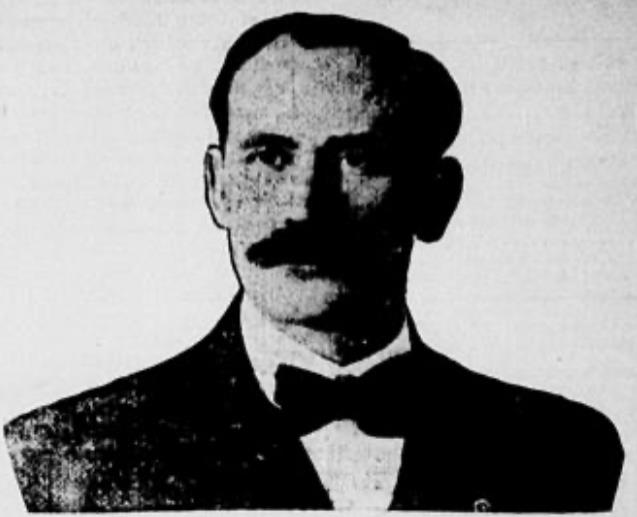
Soash was founded in 1909 by William P. Soash, a land developer and promoter from Iowa. He purchased a large tract of land, about 110,000 acres, from cattle baron Christopher Columbus Slaughter. The property lay along the Fort Worth & Denver Railway on the South Plains of Texas. Soash envisioned the creation of a model farming town and used aggressive promotional campaigns to attract settlers.
The townsite was platted with wide streets, and plans quickly took shape for infrastructure uncommon in most new frontier communities. By mid-1909, Soash had a brick bank, the two-story Hotel Lorna (named after Soash’s daughter), a garage capable of storing 30 automobiles, a post office, a telephone exchange, a telegraph office, waterworks, and an electric plant. A school district was also organized. Promotional brochures depicted lively scenes of a prosperous community, designed to appeal to settlers considering land purchases.
Promotional Campaigns
Soash was a skilled promoter. He organized “Soash Specials,” train excursions that brought prospective buyers from the Midwest and other regions to the new town. These excursions often included sales pitches and entertainment to encourage settlers to purchase farmland in the surrounding area. His efforts succeeded in drawing initial waves of settlers, and for a brief period Soash appeared to be thriving.
Struggles and Decline
Despite its ambitious beginnings, the town faced serious challenges. The land lay on the edge of the Caprock, where soil conditions and rainfall patterns made farming unreliable. A severe drought struck the region beginning in 1909 and lasted through 1912, discouraging crop production and shaking settlers’ confidence. Another damaging drought occurred in 1917–18. These weather conditions, combined with the difficulty of farming the Caprock soil, proved devastating to the community.
Rail access also contributed to the town’s struggles. While Soash lay on the Fort Worth & Denver line, nearby Lamesa benefitted from the Santa Fe Railroad, which gave that community an advantage as a trade center. Many Soash residents eventually relocated to Lamesa.
Abandonment
By 1915, the population of Soash had fallen to about 50. The post office, which had been established in 1909, was discontinued in 1916, briefly reopened in 1917, and permanently closed in October of that year. After the 1917–18 drought, the town was largely abandoned. Residents moved away, and only the concrete shell of the bank building remained standing as a reminder of the failed settlement.
Legacy
Soash is remembered as a ghost town that rose and fell in less than a decade. It stands as an example of the risks of speculative town-building on the semi-arid Texas plains. The promotional tactics, infrastructure development, and ultimate failure illustrate both the optimism and the vulnerability of early 20th-century agricultural colonization efforts in the region.
Photos: