
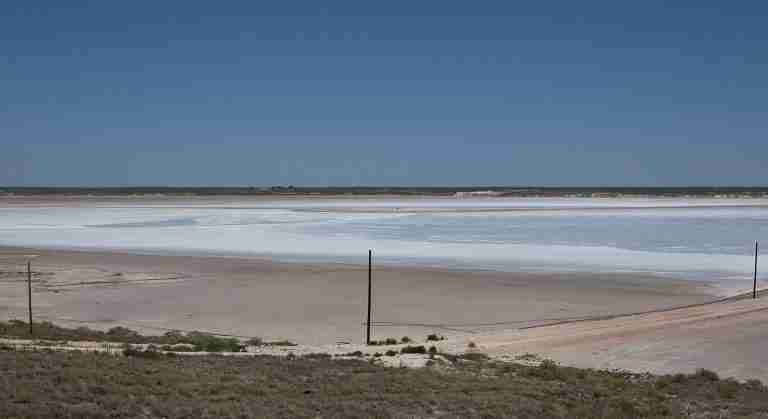
Shafter Lake was established in 1907 during a wave of land speculation that swept across West Texas. Originally called Salt Lake for the alkaline body of water on its shores, the settlement quickly adopted the name Shafter Lake in honor of Colonel William R. Shafter. Shafter, a U.S. Army officer, surveyed the region in 1875 and is credited with bringing the lake to wider attention.
Growth of the Town
The new community grew rapidly. By 1910, Shafter Lake had an estimated population of about 500 residents. Despite its remote location in Andrews County, the town developed many of the institutions typical of a thriving small Texas settlement of the time.
Shafter Lake supported:
-
A post office (with Bert M. Irwin as the first postmaster)
-
A bank
-
Three churches
-
A two-story schoolhouse
-
A general store
-
A blacksmith shop
-
Two hotels
-
Its own newspaper, the Shafter Lake Herald
This period of prosperity reflected optimism in the region, as settlers were drawn by the promise of fertile farmland and the possibility that Shafter Lake might become the county seat.
The County-Seat Contest
In 1910, a hotly contested election was held to determine the county seat of Andrews County. Shafter Lake was one of the main contenders, but ultimately the nearby community of Andrews won the vote. This decision proved devastating for Shafter Lake. Losing the county seat meant losing the economic and administrative advantages that might have sustained long-term growth.
Rapid Decline
The loss of the county-seat election in 1910 was a turning point for Shafter Lake. Without the promise of courthouse business, government offices, and the steady stream of visitors such a designation would bring, the town’s future dimmed almost overnight. Many residents saw greater opportunity in Andrews, which now held the political and economic advantage.
Businesses began shutting their doors or physically relocating to Andrews, where customer traffic was assured. Families followed, often dismantling their homes and hauling lumber across the prairie to rebuild in the new county center. The Shafter Lake Herald, once a voice for the community, ceased publication as its readership disappeared.
By 1912, the town that had once bustled with nearly 500 people had dwindled to only a handful of residents. The school closed, the post office was discontinued, and the churches stood empty. Some buildings were dismantled and moved; others were abandoned to the elements, left to collapse slowly under the harsh West Texas sun and wind. What had started as a promising settlement quickly became a ghost town, its decline tied directly to the outcome of a single county election.
Remnants of the Settlement
By the mid-20th century, very little remained to show that Shafter Lake had once been a bustling community. Travelers and local historians noted that only a single weathered wooden building still stood, its walls sagging and roof half-collapsed. The building’s exact use is uncertain, though it is believed to have been part of the town’s small commercial district.
Nearby lies a modest cemetery containing about a dozen graves, the final resting place of some of the town’s earliest settlers. The cemetery is one of the few tangible links to the families who once invested their hopes in Shafter Lake. Over the decades, many of the markers have worn down, and some graves are now unmarked, but the site continues to serve as a quiet reminder of the settlement’s brief existence.
The surrounding land, while no longer home to a town, has remained in use. Ranching operations took over where businesses and homes once stood. Remarkably, the property is still held by the descendants of Bert M. Irwin, Shafter Lake’s first postmaster. Their continued presence ties the land’s past to its present, providing a living connection to the town’s short history.
Legacy
Shafter Lake’s story reflects a familiar pattern in the history of West Texas—communities rising quickly during land booms and fading just as quickly when fortunes shifted. Unlike towns that declined due to drought, railroad bypasses, or natural disaster, Shafter Lake’s downfall was almost entirely political. The 1910 county-seat election decided the town’s fate, and once Andrews secured that title, Shafter Lake’s chances of survival evaporated.
Today, Shafter Lake endures in memory as a cautionary tale about the fragile nature of frontier settlements. Its brief life illustrates how decisions made at the ballot box could reshape entire communities. Though little remains on the ground, its history continues to be recorded in county histories, state handbooks, and the recollections of Andrews County residents. For many, Shafter Lake symbolizes both the optimism of early settlers and the harsh realities that determined which towns thrived and which faded into obscurity.
Photos:
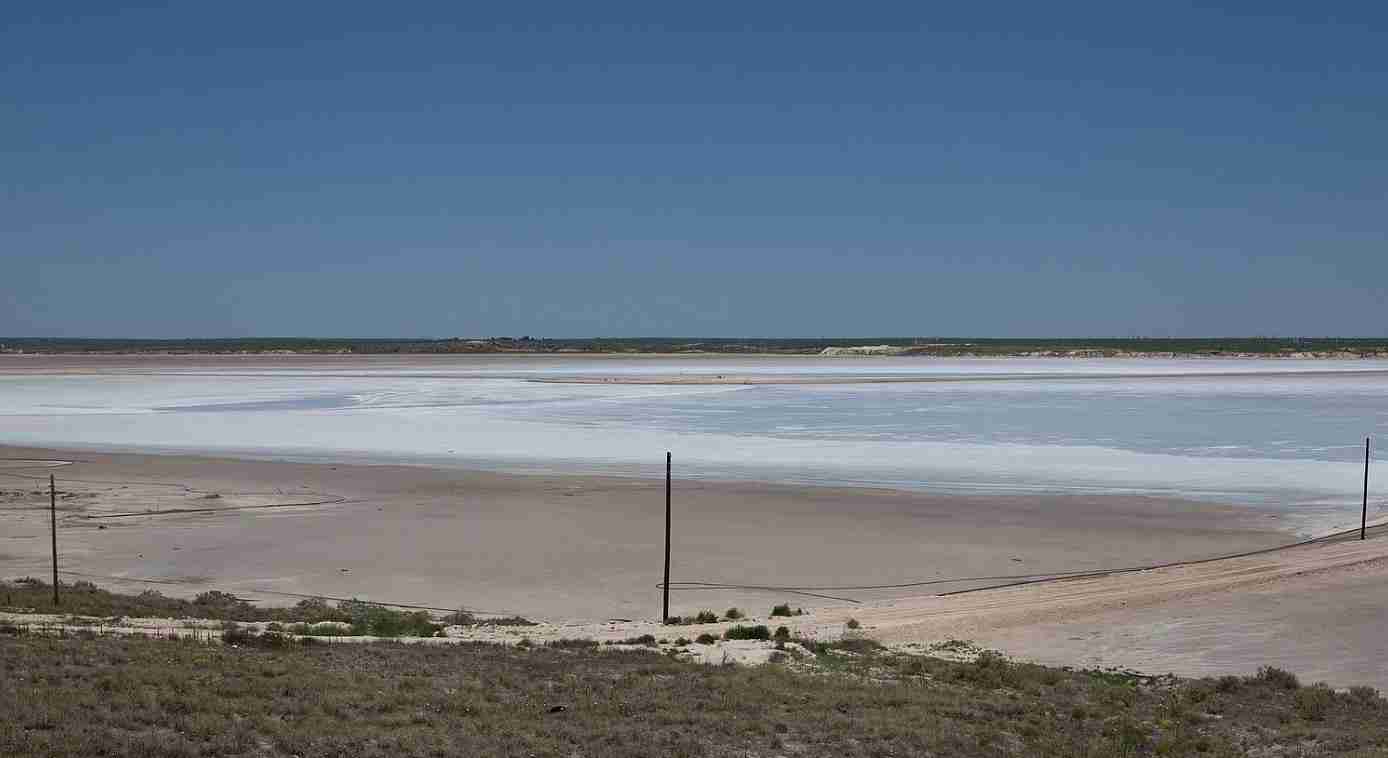
Shafter Lake
Map:
Sorry, no records were found. Please adjust your search criteria and try again.
Sorry, unable to load the Maps API.
Andrews County
Texas
United States
- Yes—leashed pets are okay on rural roads and around the cemetery; ask permission before entering private land.
-
Visit cemetery & grave markers
-
Photograph abandoned building & salt playa
-
History & geology exploration
- None