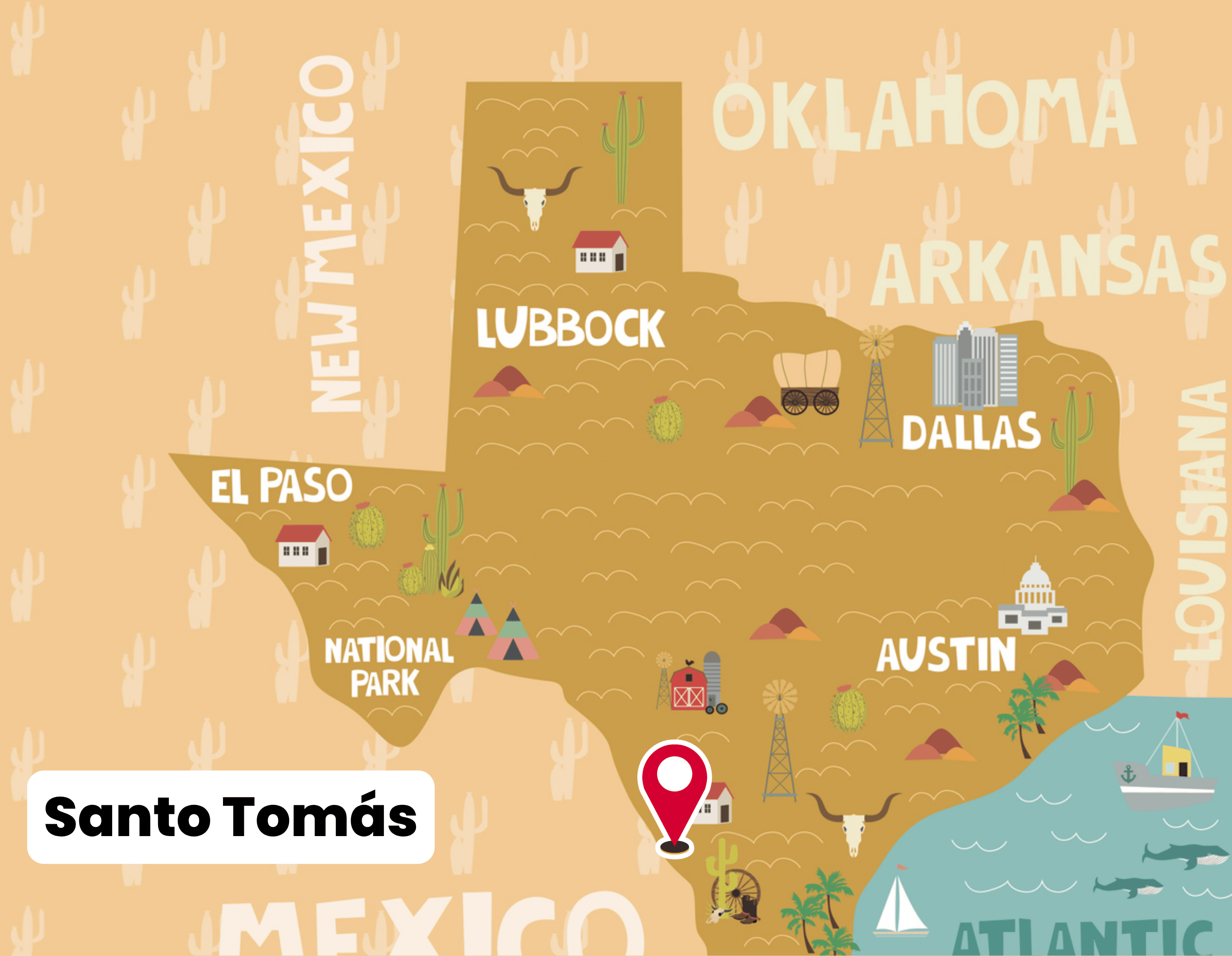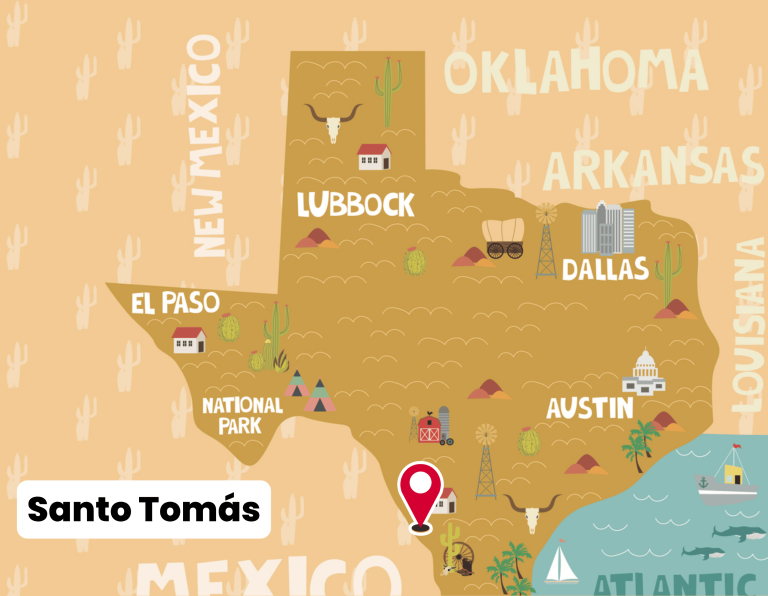
The land that became Santo Tomás was first established as a Spanish colonial land grant in 1801, given to Antonio Gonzales for ranching. The settlement was named in honor of Saint Thomas. For many years, it functioned only as a small ranching community, typical of the region along the Rio Grande. Families raised livestock, and the area remained quiet until the discovery of coal later in the 19th century.
Discovery of Coal and Mining Development
In 1873, high-quality cannel coal was discovered in the Santo Tomás area. This type of coal burned cleanly and was especially valued for making illuminating gas, which was in demand in growing Texas cities. The find transformed the settlement from a ranching site into a coal-mining town almost overnight.
To move coal efficiently, the Rio Grande and Pecos Railway was built. Completed in June 1882, this narrow-gauge line connected Santo Tomás with Laredo and other markets, making it possible to transport large amounts of coal to the wider region. The railroad was designed primarily for this purpose, underscoring how important mining was to the town’s economy.
Life in a Coal Town
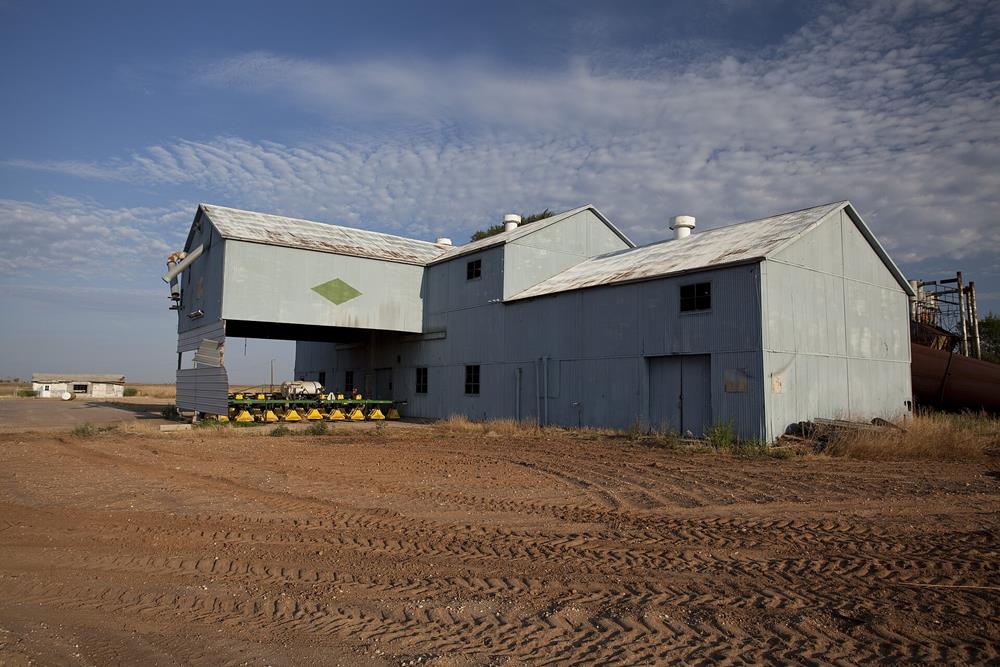
By the 1880s and 1890s, Santo Tomás had grown into one of the larger mining settlements in South Texas. At its peak around 1900, the population reached about 1,000 residents.
The town developed many of the features of a stable community. It had a post office (which opened in 1881), a school, and stores that sold supplies to miners and their families. Housing was built for workers, often simple rows of company-owned shacks near the mines. Families of miners lived close to the operations, while merchants and craftsmen offered basic services.
Life was centered on the coal industry. Work in the mines was difficult and physically demanding, but it provided steady wages during the years of peak production. The presence of the railroad meant that coal from Santo Tomás reached markets far beyond Webb County, tying the town into the broader economy of Texas.
Decline of the Mines
The prosperity of Santo Tomás was tied entirely to its coal deposits. Once the seams began to run out in the early 20th century, the community had little else to sustain it. By the 1910s, production had slowed significantly. Families started to leave, seeking work in Laredo and other places with better opportunities.
By 1920, only 18 residents remained in Santo Tomás. The post office closed in 1921, and the community effectively ceased to exist as an active town.
Present-Day Remains
Today, Santo Tomás is a ghost town in Webb County. Its location is near the modern Colombia–Solidarity International Bridge, a busy crossing on the Rio Grande. Little evidence of the once-thriving mining community is visible. A slag heap, a cemetery, and traces of foundations are among the few physical reminders of its past. A historical marker now stands at the site, commemorating its role in the region’s history.
Key Facts
-
1801: Land grant to Antonio Gonzales; ranching settlement established.
-
1873: Coal mining began after discovery of cannel coal.
-
1882: Rio Grande & Pecos Railway completed to transport coal.
-
1900: Population reached about 1,000, with post office, school, and stores.
-
1920: Population had dropped to 18 as mines closed.
-
1921: Post office closed; town abandoned.
-
Today: Only a slag heap, cemetery, and foundations remain near the Colombia–Solidarity International Bridge.
Photos: