
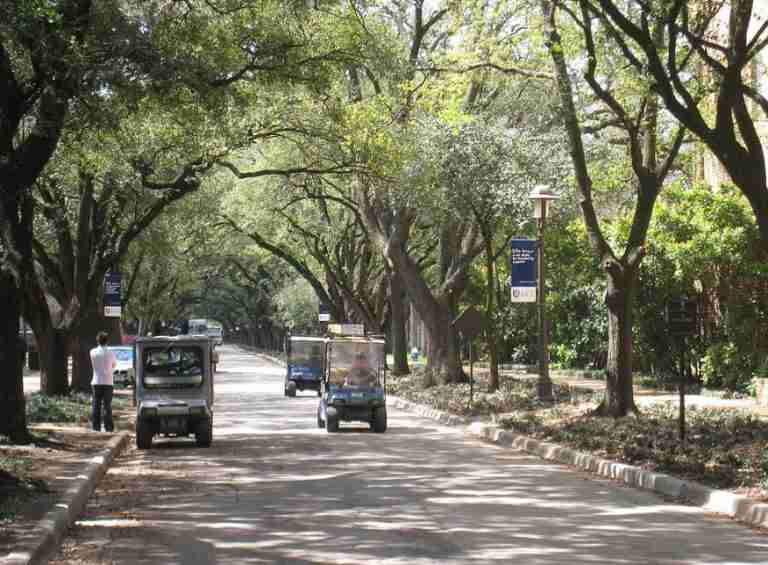
he Lynn R. Lowrey Arboretum is a campus-wide living collection of trees and plants located at Rice University in Houston, Texas. Spanning nearly 300 acres, the arboretum transforms the university’s entire grounds into a botanical resource and outdoor classroom. It showcases more than 4,600 individual trees representing around 125 species, both native and naturalized to the region. This expansive green space reflects Rice’s long-standing commitment to environmental stewardship and the integration of natural landscapes within an urban academic setting.
Honoring a Texas Horticultural Pioneer
Dedicated in 1999, the arboretum honors Lynn R. Lowrey, a celebrated Houston horticulturist known for his pioneering advocacy of native and adapted plants from Texas and northern Mexico. Lowrey’s influence helped shape modern horticultural practices across the state, promoting species that thrive in local conditions without extensive irrigation or chemical input. The dedication ceremony featured the planting of two white oaks, two fringe trees, and a swamp chestnut oak—species that embody Lowrey’s philosophy of sustainable and climate-appropriate landscaping.
A Living Classroom and Research Resource
As a campus-wide arboretum, the Lynn R. Lowrey Arboretum functions as a hands-on teaching and research tool across multiple disciplines. It supports coursework and research in biology, environmental science, engineering, architecture, and literature, providing a direct connection between the built environment and the natural world. Students and faculty use the arboretum to study plant ecology, biodiversity, and sustainable design principles. The arboretum’s plant database also serves as an important resource for understanding Houston’s ecosystem and guiding landscape management decisions on campus.
Biodiversity on an Urban Campus
Rice University’s green spaces have become one of Houston’s most notable urban biodiversity refuges. Surveys conducted by students and researchers have documented around 300 species of plants, more than 700 species of insects, and over 250 species of birds inhabiting the campus. This diversity is remarkable for a major university located within a dense metropolitan area, illustrating how intentional landscape planning can sustain wildlife and ecological balance. The combination of native trees, open lawns, and carefully maintained gardens creates a mosaic of habitats that attract pollinators, songbirds, and other wildlife year-round.
The Story of the Pershing Pecan
Among the trees with historical significance on campus is the “Pershing Pecan.” The original tree was planted in 1920 by General John J. Pershing during a visit to Rice Institute, symbolizing strength and endurance. Decades later, the tree was struck by lightning and ultimately had to be removed. In 2015, General Colin Powell participated in planting a new pecan tree in its place, continuing the tradition and honoring both Pershing’s legacy and Rice University’s long connection to national history.
Continuing Legacy
Today, the Lynn R. Lowrey Arboretum stands as both a tribute to a visionary horticulturist and a living example of ecological awareness within higher education. It represents the balance between human design and natural systems that defines Rice University’s landscape philosophy. Through education, research, and conservation, the arboretum continues to foster appreciation for native plants and biodiversity—ensuring that Lowrey’s legacy endures across future generations of students, faculty, and visitors.
Photos:
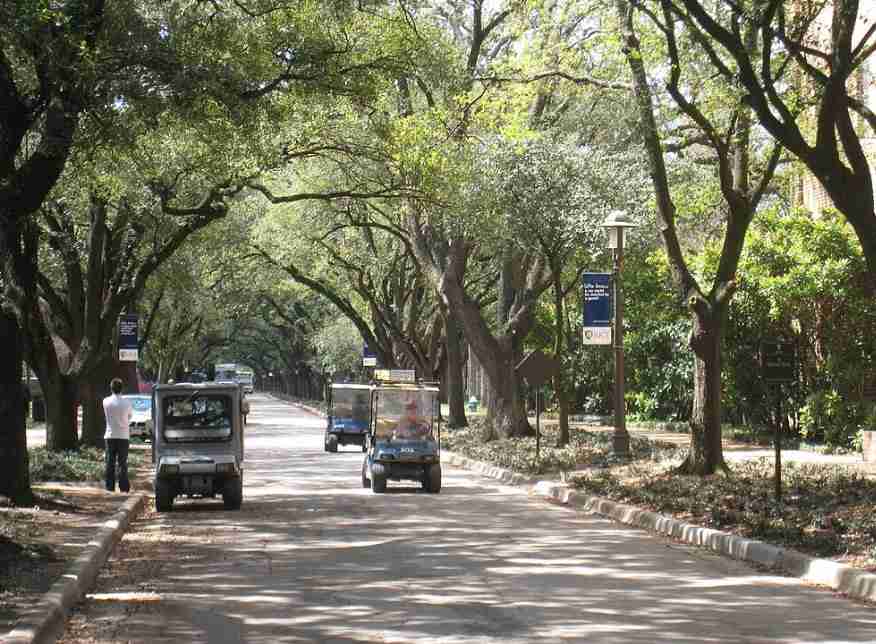
Lynn R. Lowrey Arboretum
Map:
Sorry, no records were found. Please adjust your search criteria and try again.
Sorry, unable to load the Maps API.
Houston
Texas
77005
United States
- Information regarding pet policies is not explicitly stated; visitors should contact Rice University for details.
-
Self-Guided Tours: Explore the arboretum's diverse plant collections through self-guided walking tours available via maps provided by the university.
-
Educational Programs: Engage in environmentally focused programs and curricula in various disciplines, including biology and architecture.
-
Bird Watching: Observe a wide variety of bird species, with 275 species recorded on campus, making it a haven for bird enthusiasts.
-
Walking Trails: Multiple trails throughout the campus allow visitors to experience the arboretum's diverse plant life.
-
Educational Resources: Access to plant species lists, newsletters, and other educational materials to enhance learning and appreciation of the arboretum's offerings.
-
Accessibility: As part of Rice University's campus, the arboretum is accessible to the public, with facilities and pathways accommodating visitors.
https://en.wikipedia.org/wiki/Lynn_R._Lowrey_Arboretum#/media/File:Rice_University_-_Arboretum.JPG