
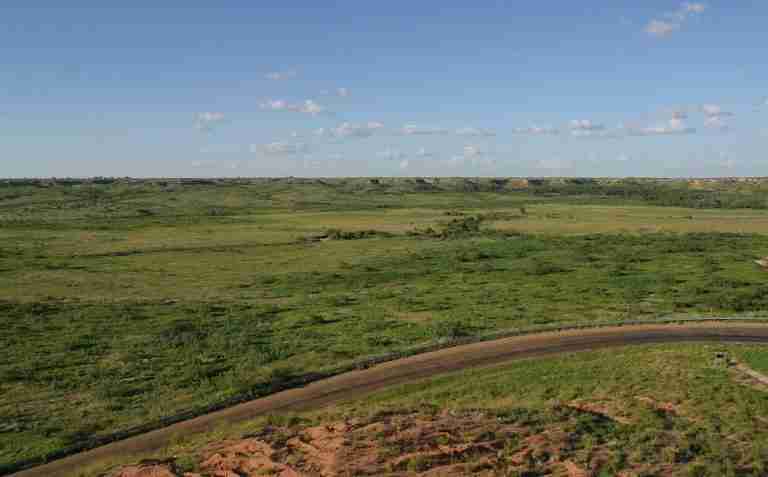
Yellow House Canyon lies in Lubbock County, Texas, extending southeast from the city of Lubbock toward the South Plains. It forms part of the drainage system that feeds the North Fork Double Mountain Fork of the Brazos River. The canyon was created by the confluence of two streams, Yellow House Draw and Blackwater Draw, which merge in Lubbock and then continue through the canyon. The landscape marks the transition from the flat Llano Estacado plateau to the more rugged terrain below the Caprock Escarpment.
Geological Features
The canyon stretches roughly 20 miles in length and showcases striking geological formations shaped by erosion over thousands of years. Layers of sedimentary rock exposed along the canyon walls record the area’s ancient geological history. These formations reveal how water and wind gradually carved the landscape, creating a natural channel that contrasts with the surrounding flat plains. The canyon’s terrain varies from shallow slopes near Lubbock to deeper sections farther downstream, providing a clear example of the forces that have shaped the South Plains region.
Hydrology and the Brazos River System
The waters that run through Yellow House Canyon originate from the Yellow House Draw and Blackwater Draw. Their meeting point within Lubbock marks the start of the North Fork Double Mountain Fork Brazos River, an important tributary of the larger Brazos River system. Although the canyon itself is not the headwater of the Brazos, it plays a vital role in collecting and directing runoff across the Llano Estacado toward the river’s broader basin.
Archaeology and Early History
Evidence of human presence in and around Yellow House Canyon dates back thousands of years. Archaeological studies at nearby sites, including the Lubbock Lake Landmark within the Yellow House Draw, have uncovered tools, bones, and camp remains from prehistoric peoples who hunted and gathered in the region. These discoveries provide insight into how early inhabitants adapted to the South Plains environment. During the 19th century, the canyon also served as a route for travelers and settlers moving across the area, offering one of the few reliable paths where water could be found.
Ecology and Environment
The canyon supports vegetation and wildlife typical of the Southern High Plains, including mesquite, cottonwood, and native grasses along the streambeds. While not drastically different from the surrounding prairie, the sheltered environment within the canyon provides habitats for birds, small mammals, and reptiles. The combination of riparian vegetation and open grassland makes it a valuable natural area for sustaining biodiversity in an otherwise arid landscape.
Recreation and Public Access
Sections of Yellow House Canyon are accessible to the public, especially where the waterway runs through or near the Lubbock area. These locations offer scenic views, opportunities for hiking, and access to open spaces that highlight the natural and historical importance of the region. Visitors often enjoy the canyon’s quiet beauty, its geological formations, and its connection to the broader story of the South Plains and the Brazos River system.
Photos:
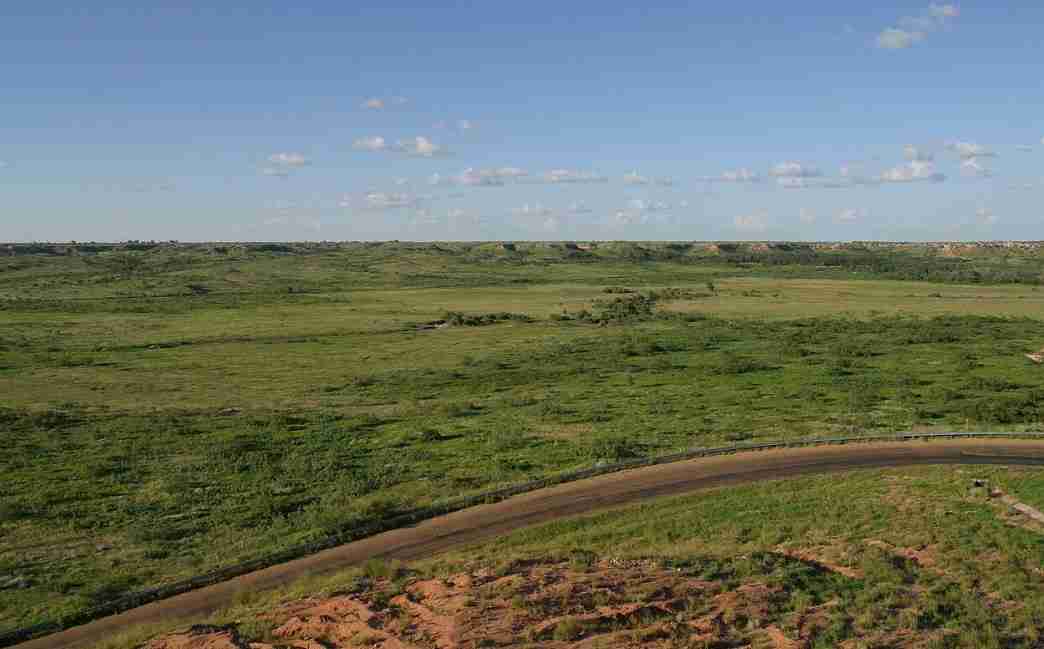
Yellow House Canyon
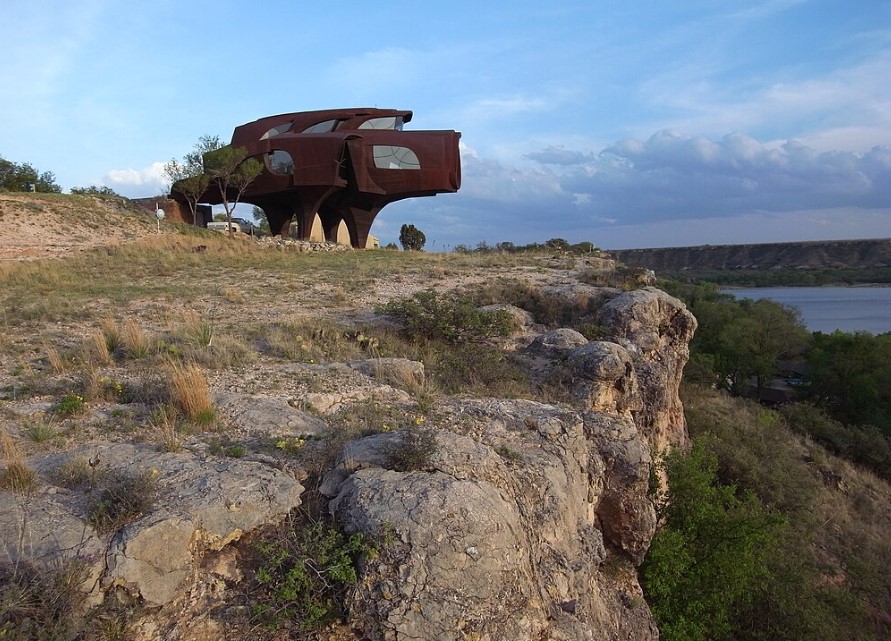
Yellow House Canyon
Map:
Sorry, no records were found. Please adjust your search criteria and try again.
Sorry, unable to load the Maps API.
Slaton
Texas
79364
United States
- Policies regarding pets vary depending on the specific area of the canyon and the managing authority.
-
Hiking: Trails within accessible areas of the canyon offer opportunities for hiking and exploration.
-
Bird Watching: The canyon's diverse habitats attract a variety of bird species, making it a popular spot for bird enthusiasts.
-
Photography: The dramatic landscapes and unique geological features provide excellent photography opportunities.
- Amenities such as restrooms, picnic areas, and informational signage may be available in certain public access areas of the canyon, depending on the managing authority.
https://en.wikipedia.org/wiki/Yellow_House_Canyon#/media/File:Yellow_House_Canyon_near_Slaton_Texas_2010.jpg
Leaflet, Ransom Canyon Steel House on rim of Yellow House Canyon 2009, CC BY-SA 3.0