
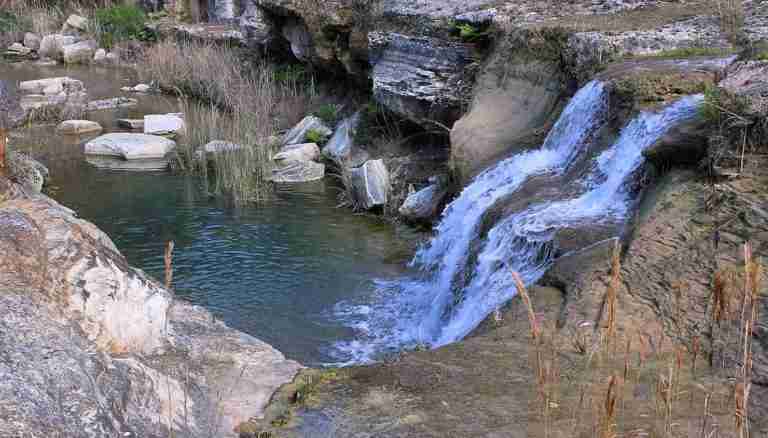
Canyon Lake Gorge is a dramatic geological landmark in the Texas Hill Country, located just below Canyon Lake Dam in Comal County. This 64-acre gorge was exposed in July 2002 after a record-breaking flood caused water to flow over the dam’s spillway for the first time since its construction in 1964. The flood released a powerful surge of water—more than 67,000 cubic feet per second—that cut through the limestone landscape in only a few days. What emerged was a mile-long gorge up to 50 feet deep, revealing layers of Cretaceous limestone that had been buried for over 100 million years.
A Glimpse into Deep Time
The exposed rock formations at Canyon Lake Gorge date back roughly 110 million years to the early Cretaceous period, when much of Texas was covered by a shallow sea. Within these layers are fossilized marine organisms and even preserved dinosaur tracks, giving scientists and visitors a rare view into the state’s ancient environment. The gorge also contains visible faults, natural pools, and aquifer seeps that illustrate how groundwater moves through limestone. These features make the site an important reference point for understanding both Texas geology and the hydrology of the Edwards Aquifer region.
From Disaster to Outdoor Classroom
What began as a natural disaster quickly turned into a valuable scientific opportunity. Geologists were able to study rapid canyon formation firsthand, observing how intense flooding can reshape landscapes in a matter of days rather than centuries. Today, Canyon Lake Gorge serves as an outdoor classroom operated in partnership with the Guadalupe-Blanco River Authority and the Gorge Preservation Society. Guided tours allow visitors to walk through the gorge, observe its waterfalls and springs, and learn about the geological forces that shaped it. Educational programs are often coordinated with Texas school curricula, making the site a hands-on resource for earth and life sciences.
A Living Laboratory in the Hill Country
Beyond its scientific and educational value, Canyon Lake Gorge has become a thriving ecosystem. Vegetation and wildlife have gradually returned to the area, adapting to the new terrain and waterways carved by the 2002 flood. Springs now feed small pools and waterfalls, supporting a variety of native plants and animals. For visitors, the gorge offers a rare opportunity to witness geology, hydrology, and ecology intersecting in one dynamic landscape—a place where Texas history, both ancient and modern, is literally etched into the stone.
Photos:
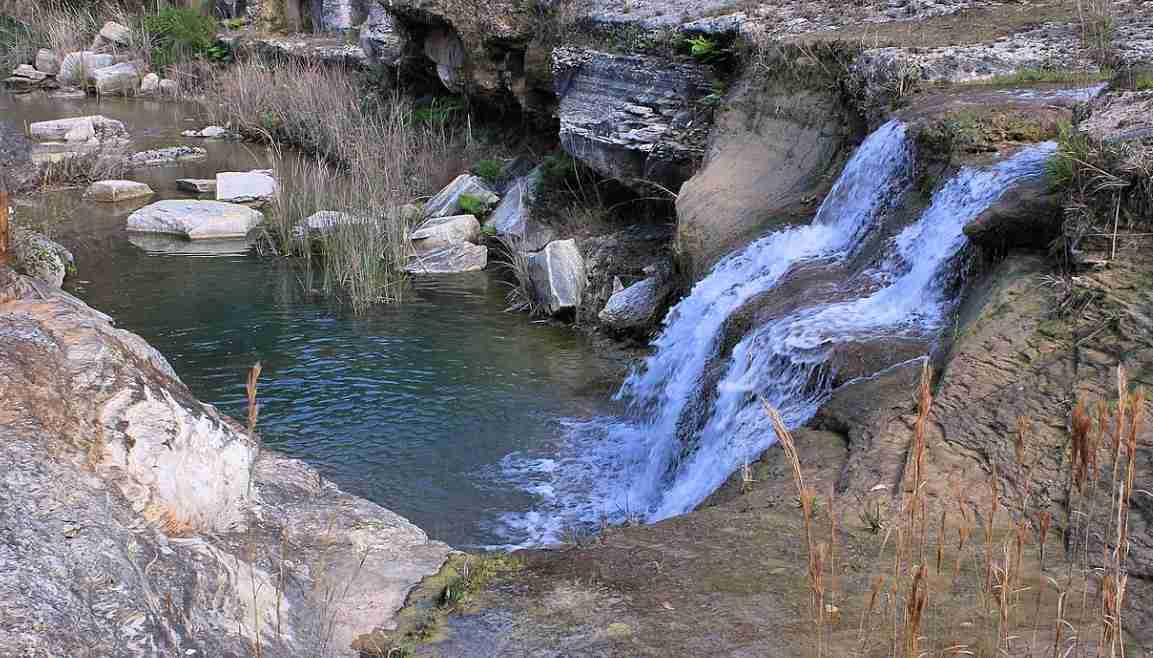
Canyon Lake Gorge
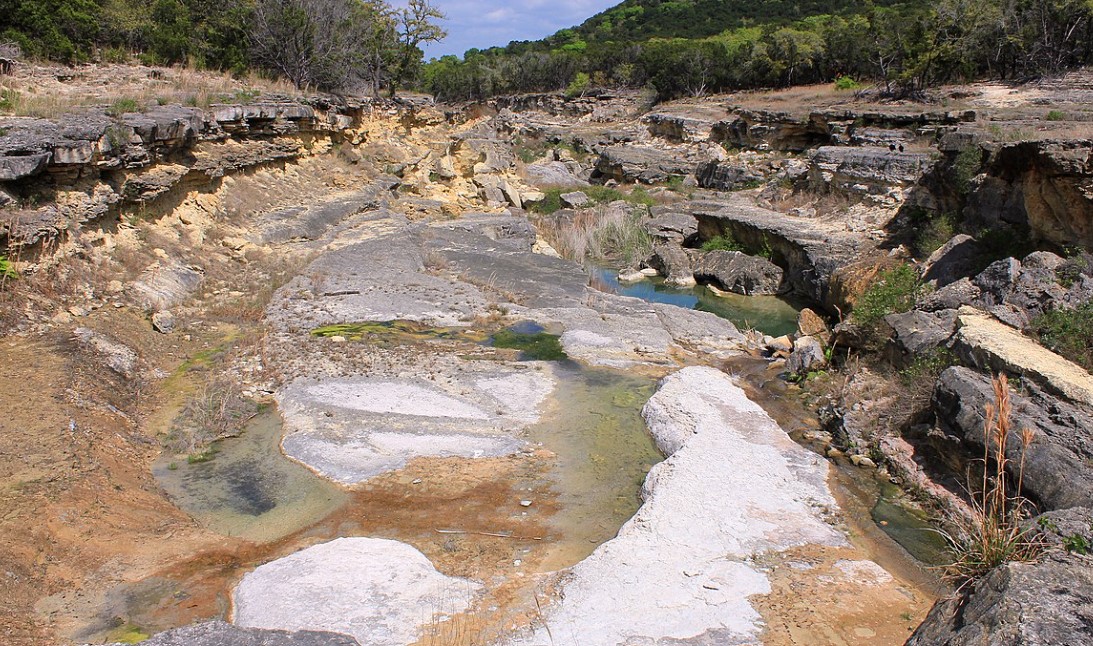
Canyon Lake Gorge
Map:
Sorry, no records were found. Please adjust your search criteria and try again.
Sorry, unable to load the Maps API.
Texas
Texas
78133
United States
No, pets are not permitted within the gorge.
-
Guided Tours: Explore the gorge with knowledgeable guides who provide insights into its geological and ecological features.
-
Educational Programs: Participate in structured educational activities designed for students and aligned with state science standards.
-
Photography: Capture stunning images of the gorge's unique geological formations and natural beauty.
-
Visitor Center: Provides information, restrooms, and access to trail passes for self-guided walks along the gorge's rim.
-
Outdoor Classroom: Facilities designed for educational groups to conduct hands-on learning experiences in a natural setting.
-
Guided Tour Services: Organized tours led by trained guides to enhance visitor understanding of the gorge's significance.
Larry D. Moore, Canyon Lake Gorge March 2017 IMG1741, CC BY 4.0
Larry D. Moore, Canyon Lake Gorge March 2017 IMG1771, CC BY 4.0