
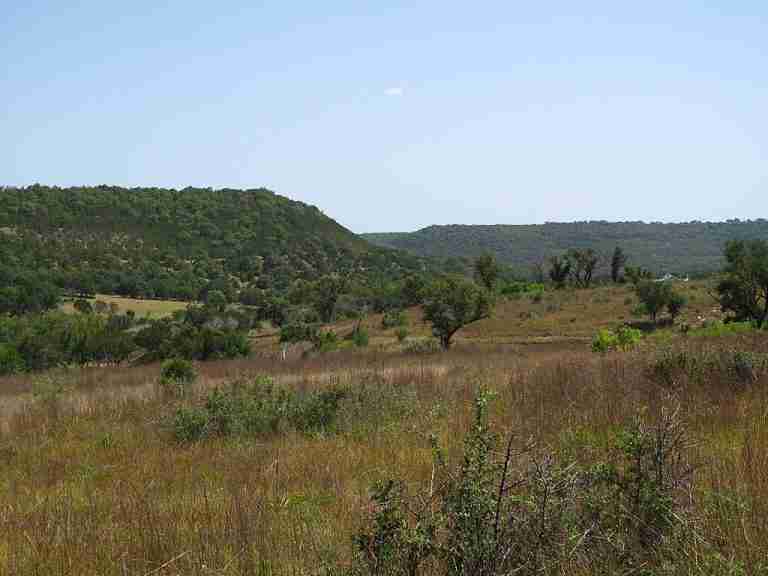
Balcones Canyonlands National Wildlife Refuge is located northwest of Austin, Texas, within the rugged landscapes of the Edwards Plateau and Texas Hill Country. Established in 1992, the refuge was created to conserve critical habitat for endangered and threatened species native to the region. It is managed by the U.S. Fish and Wildlife Service and spans roughly 27,000 acres of protected land. The refuge’s name comes from the nearby Balcones Escarpment, a geological fault zone that shapes the area’s unique terrain and biodiversity.
Geography and Landscape
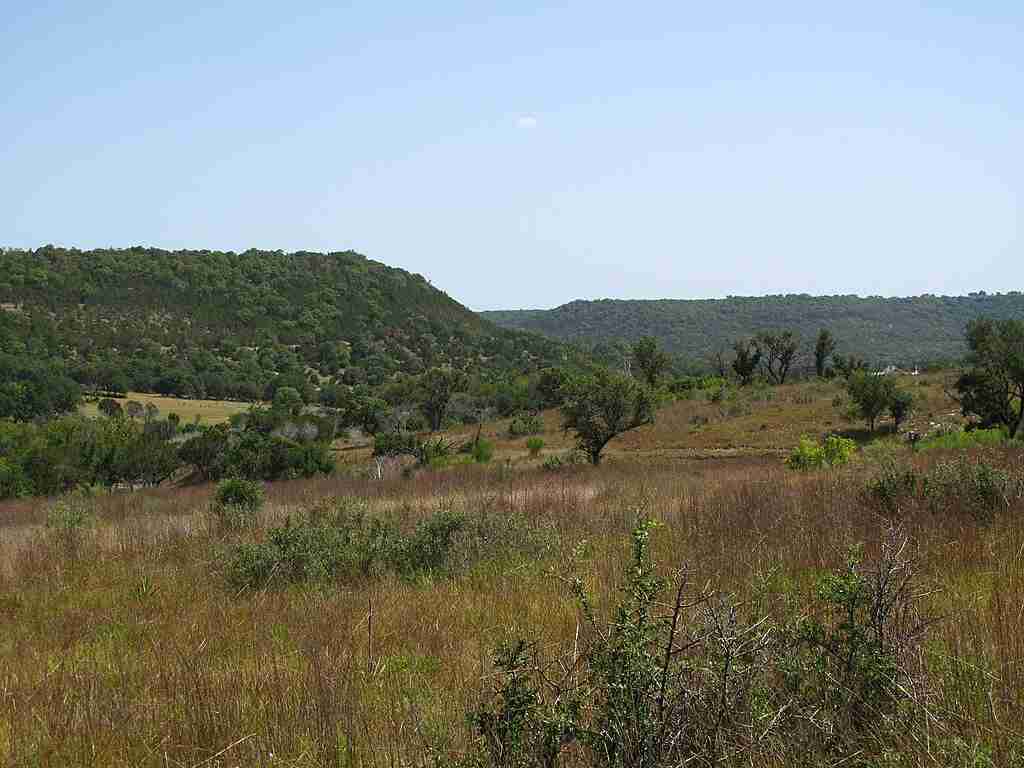
The refuge features a varied landscape of steep canyons, rolling limestone hills, grasslands, and wooded plateaus. Its location along the Balcones Escarpment influences local weather and water flow, creating diverse microhabitats within a relatively small area. Riparian corridors line the streams and creeks that wind through the refuge, supporting lush vegetation that contrasts with the dry uplands. This mix of environments contributes to a high level of plant and animal diversity typical of central Texas ecosystems.
Wildlife and Conservation
Balcones Canyonlands is perhaps best known for its role in protecting the golden-cheeked warbler and the black-capped vireo. The golden-cheeked warbler, which nests exclusively in central Texas, depends on mature Ashe juniper and oak woodlands for breeding. The black-capped vireo, once listed as endangered, has recovered significantly thanks to habitat restoration and management within the refuge and was delisted in 2018.
In addition to these species, the refuge supports a wide variety of wildlife. More than 245 species of birds have been documented, making it an important site for birdwatching. Mammals such as white-tailed deer, raccoons, and armadillos inhabit the woodlands, while reptiles and amphibians thrive in the rocky and riparian areas. Native plants, including live oaks, Ashe junipers, and wildflowers, add to the ecological richness of the landscape.
Public Access and Recreation
Balcones Canyonlands National Wildlife Refuge offers opportunities for visitors to experience the beauty of the Texas Hill Country while promoting conservation awareness. Several designated trails provide hiking options through different habitats, such as the Warbler Vista, Doeskin Ranch, and Rimrock Trail areas. These trails vary in length and difficulty, offering both scenic overlooks and close encounters with native plants and wildlife.
Educational programs and interpretive signs throughout the refuge help visitors understand the ecological importance of the area and the ongoing efforts to protect its fragile environment. While the refuge is primarily focused on wildlife conservation, it also serves as a peaceful destination for those interested in nature photography, birdwatching, and quiet outdoor recreation.
Environmental Importance
The refuge plays a key role in maintaining the health of the Hill Country ecosystem. Its location along the Balcones Escarpment contributes to regional water quality by protecting recharge areas for the Edwards Aquifer, a major water source for central Texas. Land management practices, including prescribed burns and invasive plant control, help sustain native vegetation and reduce the risk of wildfires. Through partnerships with local communities, landowners, and conservation groups, Balcones Canyonlands continues to serve as a model for habitat restoration and species protection.
Photos:
Map:
Sorry, no records were found. Please adjust your search criteria and try again.
Sorry, unable to load the Maps API.
Leander
Texas
78641
United States
Pets are permitted in certain areas of the refuge but must be kept on a leash no longer than six feet at all times. Visitors are expected to clean up after their pets and keep them under control to prevent disturbing wildlife and other guests. Some trails and sensitive habitat zones may restrict pets entirely to protect nesting birds or fragile ecosystems. It’s recommended that visitors check trailhead signs for specific regulations before entering each area.
The refuge offers a variety of low-impact outdoor activities centered around wildlife observation and environmental appreciation. Popular activities include birdwatching, especially during the spring migration season, when visitors have a chance to spot the golden-cheeked warbler and other native birds. Hiking is another key attraction, with several trails of varying difficulty that highlight the area’s scenic canyons, hills, and grasslands. Photography, nature study, and environmental education programs are also encouraged.
Hunting and fishing are limited and regulated under specific conditions, typically as part of wildlife management practices approved by the refuge. Camping, horseback riding, and off-road vehicle use are not permitted, as the refuge is designed to minimize human impact on wildlife habitats.
Balcones Canyonlands provides basic visitor amenities designed for a natural, low-development experience. Amenities include trailheads, parking areas, restrooms at select sites, and interpretive signage that explains local ecology and conservation work. Picnic tables are available at some trail areas, such as Doeskin Ranch, offering a quiet place to rest or eat surrounded by Hill Country scenery. There are no food concessions, campgrounds, or lodging facilities within the refuge, emphasizing its focus on preservation and quiet recreation.
Visitors are encouraged to bring water, sun protection, and appropriate footwear, as the terrain can be rugged and shade limited in some sections.