
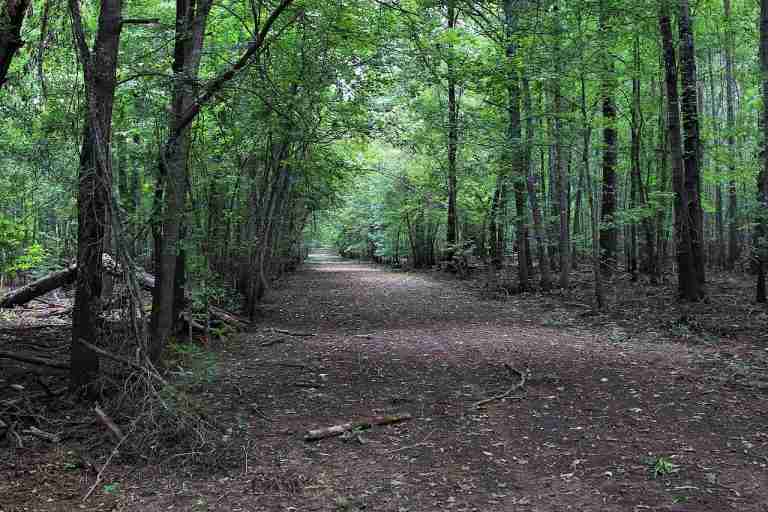
The Neches River National Wildlife Refuge lies in East Texas, primarily within Anderson and Cherokee Counties. Established in 2006, the refuge was created to preserve and protect important habitats along the Neches River, one of Texas’s most ecologically valuable waterways. Managed by the U.S. Fish and Wildlife Service, it serves as a vital sanctuary for migratory birds and native wildlife while conserving bottomland hardwood forests and wetlands that define much of East Texas’s natural landscape.
Size and Landscape
The refuge has an approved acquisition boundary encompassing approximately 25,281 acres. As of recent updates, about 7,200 acres have been officially acquired and managed. The area consists of riverine floodplains, bottomland hardwood forests, shrub swamps, and open marshes. These ecosystems play a crucial role in supporting biodiversity and regulating the natural hydrology of the Neches River basin. Seasonal flooding enriches the soil, sustains aquatic habitats, and provides ideal conditions for a variety of plant and animal species.
Habitat and Wildlife
The refuge’s diverse habitats support numerous species of birds, mammals, reptiles, and amphibians. It is particularly significant for migratory bird populations that use the Central Flyway, including waterfowl, wading birds, and songbirds. White-tailed deer, beavers, and river otters are common residents, while fish and amphibians thrive in the wetland and stream environments. Although not all species have been formally documented, the refuge contributes to the conservation of animals associated with riparian and wetland ecosystems across East Texas.
Vegetation and Ecology
Vegetation within the Neches River National Wildlife Refuge includes native cypress and oak species that form dense canopies along the river corridor. These bottomland hardwood forests provide shade, stabilize soil, and reduce erosion during seasonal flooding. The wetlands also support aquatic vegetation that filters water and improves overall river health. Together, these plant communities form an essential network that sustains both wildlife and water quality in the Neches River watershed.
Recreation and Public Access
Public access to the refuge is still developing as land acquisition and infrastructure continue to expand. Visitors can enjoy wildlife observation, photography, hiking, and limited hunting opportunities consistent with refuge regulations. The area offers a peaceful natural environment for visitors who appreciate East Texas’s wild landscapes and the unique beauty of its river ecosystems.
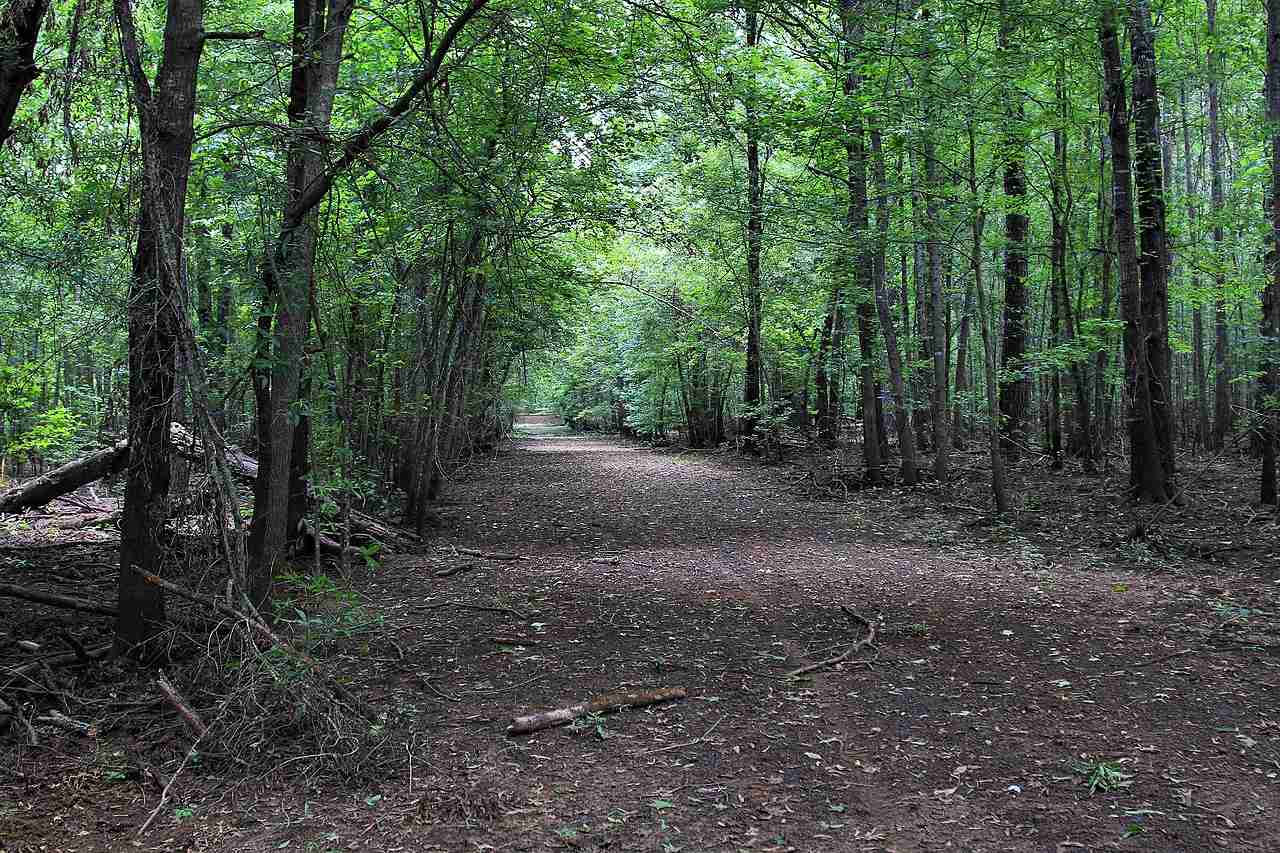
Photos:
Map:
Sorry, no records were found. Please adjust your search criteria and try again.
Sorry, unable to load the Maps API.
Jacksonville
Texas
75766
United States
Pets are allowed in designated areas of the refuge but must be kept on a leash no longer than six feet at all times. This policy helps protect wildlife and maintain a safe, quiet environment for both visitors and animals. Owners are responsible for cleaning up after their pets and keeping them under control to prevent disturbance to natural habitats.
-
Wildlife watching and birding along designated observation areas and trails.
-
Nature photography, especially during migration seasons when bird activity peaks.
-
Hiking through forested and wetland trails that showcase the area’s biodiversity.
-
Hunting, permitted in specific zones and seasons under federal and state regulations.
-
Environmental education and volunteer programs coordinated by the refuge staff to promote conservation awareness.
Amenities at the refuge are minimal to preserve its natural character. Basic features include gravel parking areas, marked trails, and informational signage about local flora, fauna, and conservation efforts. Restrooms and visitor facilities are limited, and visitors are encouraged to bring their own water, supplies, and appropriate outdoor gear. The simplicity of the site enhances its sense of seclusion and connection to nature, offering an authentic East Texas wilderness experience.
Larry D. Moore, Songbird Trail Neches River NWR, CC BY 4.0