
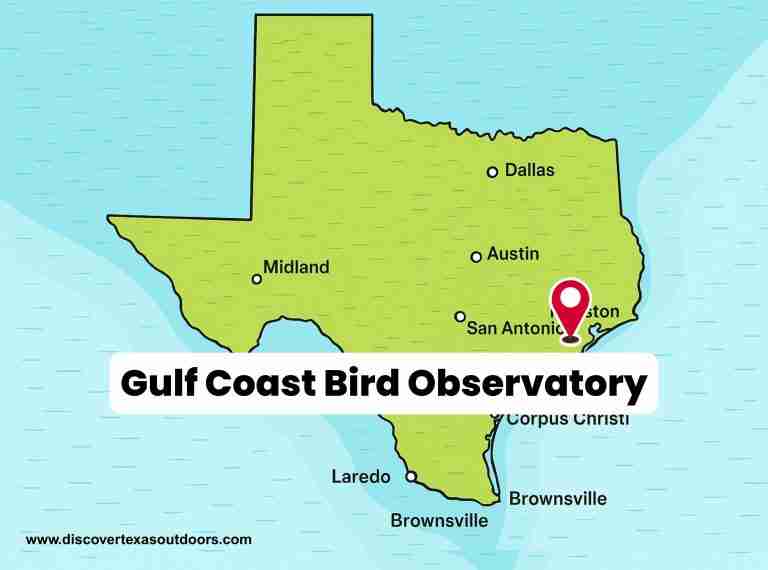
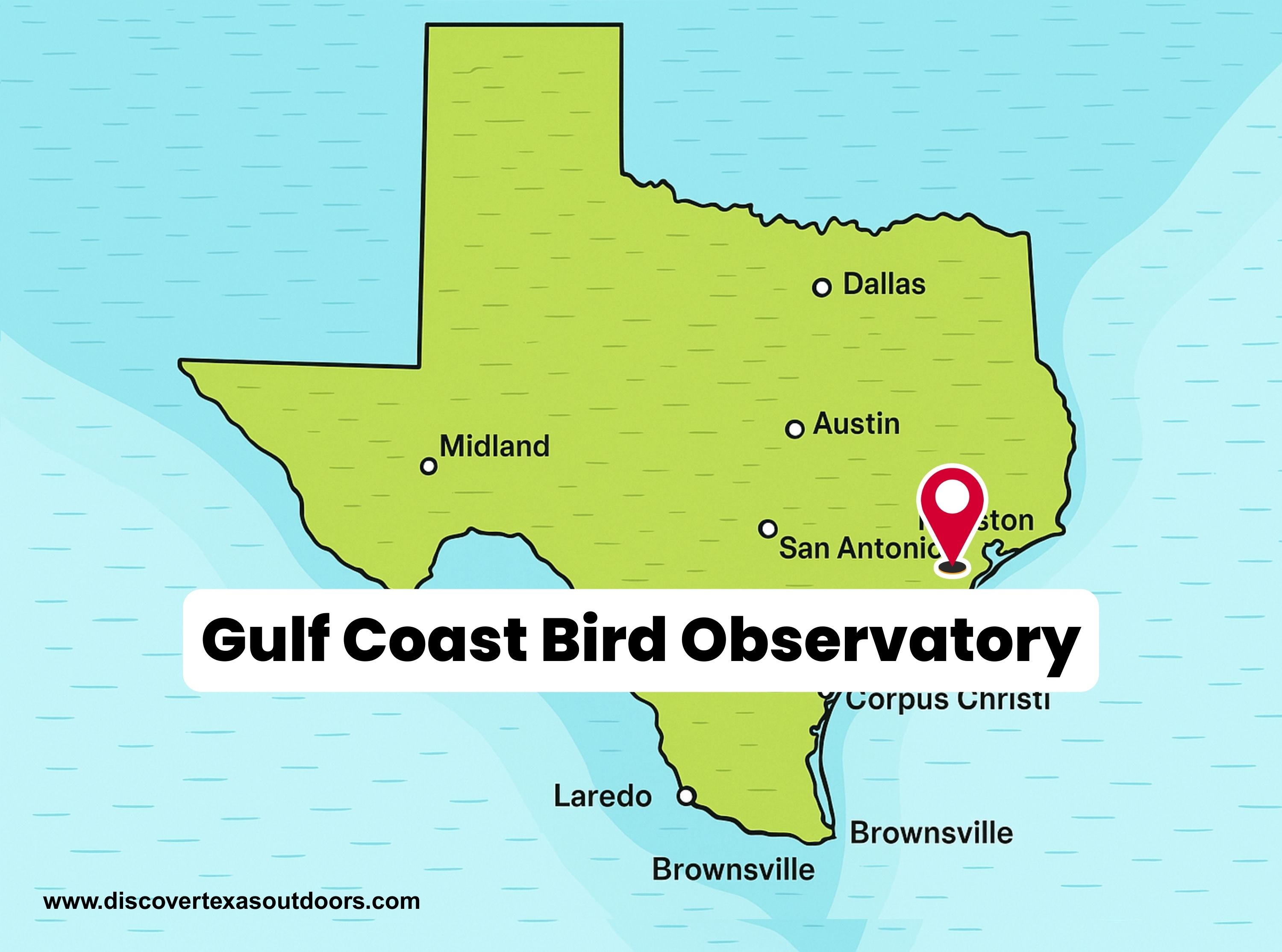
The Gulf Coast Bird Observatory (GCBO) is a non-profit organization based in Lake Jackson, Texas. Founded in 1993 through a coalition of conservation partners and officially incorporated in 1997, GCBO focuses on the preservation of birds and their habitats throughout the Gulf of Mexico region. Its work supports both local and migratory bird populations, making it a cornerstone for avian conservation on the Texas Gulf Coast.
Mission and Conservation Efforts
GCBO’s mission is to protect birds and their habitats through research, education, and land protection. The organization conducts field studies on bird migration, nesting, and population trends, providing valuable data used by scientists and conservationists. Its staff and volunteers also restore and manage key habitats such as coastal prairies, bottomland forests, and wetlands that are vital for both resident and migratory species.
The observatory partners with regional and international organizations to conserve critical bird habitats along the Gulf of Mexico. These partnerships help safeguard migration routes and support the survival of species that depend on the Gulf Coast ecosystem.
Research, Education, and Community Programs
Beyond research, GCBO is deeply committed to public education. It offers a range of programs that connect the community with bird conservation, including guided birdwatching tours, workshops, and volunteer opportunities. Citizen science projects, such as bird banding and monitoring events, invite the public to participate directly in data collection and fieldwork.
Educational initiatives focus on fostering environmental awareness among both adults and children. School programs, outreach events, and annual festivals like the Xtreme Hummingbird Xtravaganza draw visitors from across Texas to witness bird migration up close.
The Site and Its Natural Setting
The observatory’s headquarters sits on roughly 34 acres of bottomland hardwood forest in Lake Jackson. The site features more than two miles of walking trails that wind through woodlands and wetlands, providing excellent birdwatching opportunities. It is situated in one of the most active bird migration corridors in North America, where countless species pass through each spring and fall.
Visitors can expect to see a wide variety of birds throughout the year, including hummingbirds, warblers, and shorebirds. The landscape supports diverse plant life typical of the Gulf Coast, such as native hardwoods, grasses, and wetland vegetation, all of which create an ideal habitat for wildlife.
Visitor Experience
GCBO welcomes visitors who want to enjoy the outdoors while contributing to conservation. Its trails and observation areas are open to the public, and the organization frequently hosts events that celebrate birdwatching and environmental stewardship. The peaceful setting, combined with opportunities to learn and volunteer, makes GCBO an appealing destination for nature lovers, researchers, and families alike.
Through its blend of science, community engagement, and habitat protection, the Gulf Coast Bird Observatory continues to play a vital role in preserving the natural beauty and biodiversity of the Texas Gulf Coast.
Photos:
Map:
Sorry, no records were found. Please adjust your search criteria and try again.
Sorry, unable to load the Maps API.
Lake Jackson
Texas
77566
United States
Pets are generally not allowed on the trails or grounds of the observatory. This policy helps protect wildlife and maintain the safety of birds and their habitats, particularly during migration and nesting seasons.
Visitors can enjoy birdwatching, hiking, photography, and educational programs throughout the year. The observatory regularly hosts bird-banding demonstrations, volunteer workdays, and seasonal events such as the Xtreme Hummingbird Xtravaganza. School groups and nature clubs often participate in educational field trips and community science projects.
The site offers nature trails, bird observation areas, educational displays, and a visitor center with interpretive materials about local and migratory birds. Picnic tables and rest areas are available on the grounds, providing a quiet place to enjoy the forested surroundings. Parking is available near the visitor center, and the trails are well-marked for easy navigation.