
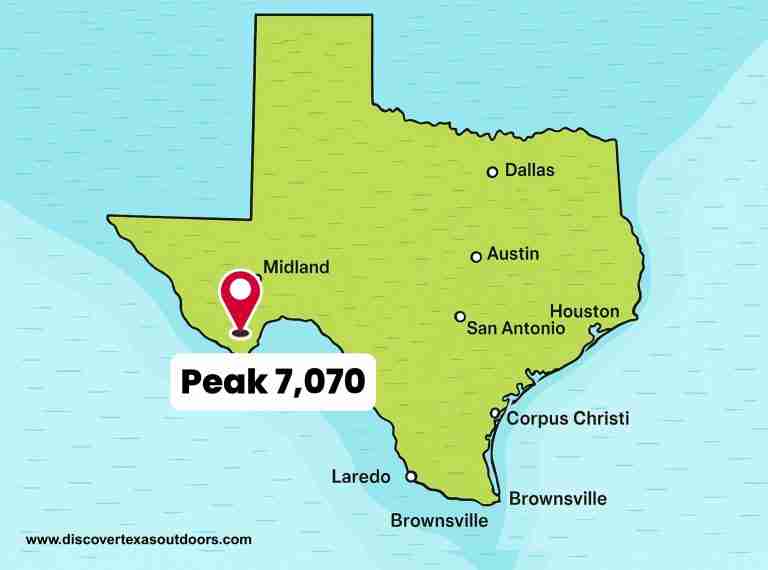
Rising above the desert floor of southwest Texas, the Chisos Mountains form the rugged heart of Big Bend National Park in Brewster County. This isolated mountain range is unique in the United States because it lies entirely within the boundaries of a national park. The range is surrounded by the vast Chihuahuan Desert and features some of the most dramatic elevation changes in Texas, climbing from about 1,800 feet near the Rio Grande to over 7,800 feet at its highest point, Emory Peak.
The Chisos were formed millions of years ago through intense volcanic activity that shaped their jagged ridges and deep canyons. The combination of volcanic rock and desert erosion has created a landscape of striking contrasts, where forested slopes rise suddenly from arid plains. Visitors can experience this transition firsthand while hiking or driving through the park, watching the terrain shift from dry desert scrub to oak, juniper, and pine forests at higher elevations.
Emory Peak: The Summit of Big Bend
At 7,832 feet (2,387 meters), Emory Peak stands as the tallest mountain in Big Bend National Park and the entire Chisos range. It offers panoramic views of the desert basin, the Rio Grande, and the neighboring mountains of Mexico. The peak is accessible by a strenuous trail that begins at the Chisos Basin, climbing steeply through rugged terrain. Hikers are rewarded with some of the most breathtaking vistas in Texas, along with glimpses of the park’s remarkable biodiversity.
Wildlife and Vegetation
The Chisos Mountains support a surprising mix of wildlife and plant life rarely found elsewhere in Texas. Higher elevations provide cooler, wetter conditions that sustain forests of oak, pinyon pine, and juniper, while lower areas are home to desert vegetation such as agave, ocotillo, and prickly pear cactus. Black bears, once eliminated from the region, have naturally recolonized the Chisos and now thrive there alongside mountain lions, javelinas, and mule deer. Bird enthusiasts can spot species like the Colima warbler, which nests almost exclusively in the Chisos range within the United States.
Recreation and Access
Visitors to Big Bend National Park can reach the Chisos Basin by road, where a visitor center, lodge, and campground provide access to a network of trails. The hike to Emory Peak, along with the Lost Mine and South Rim trails, are among the park’s most popular routes. Each offers distinct perspectives of the mountain landscape and opportunities for solitude, wildlife viewing, and photography. Due to the park’s remoteness and changing conditions, travelers are encouraged to prepare adequately, carry plenty of water, and check trail updates with the National Park Service before setting out.
Climate and Environment
The climate within the Chisos Mountains varies dramatically with elevation. While the desert below can experience intense summer heat, temperatures in the mountains are often 10 to 20 degrees cooler. Rainfall is also more frequent, creating microclimates that nurture diverse plant and animal life. Winter brings occasional snow at the highest elevations, adding another layer of beauty to the rugged peaks.
Photos:
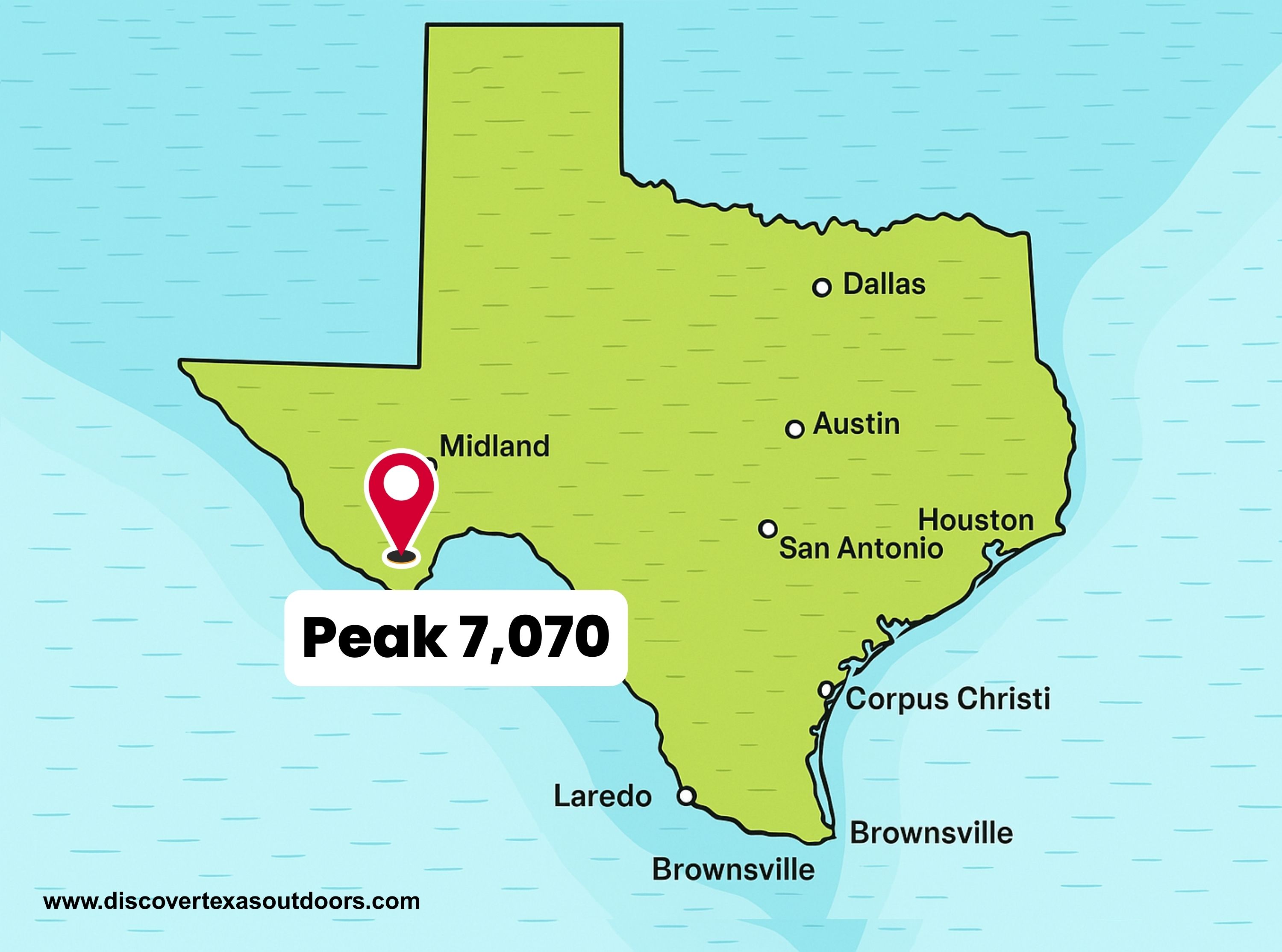
Map:
Sorry, no records were found. Please adjust your search criteria and try again.
Sorry, unable to load the Maps API.
Big Bend National Park
Texas
79834
United States
Not Allowed
- Backcountry hiking and exploration
- Wildlife observation
- Photography
- Geological study
- Campground with restrooms and potable water
- Visitor center
- Lodging and dining facilities