

Falcon International Reservoir, also known as Falcon Lake, is a major water body along the Rio Grande, spanning the border between Texas in the United States and Tamaulipas in Mexico. It was formed by the construction of Falcon Dam, a binational project authorized by both countries to manage water resources and control flooding along the river. The reservoir stretches through Starr and Zapata counties in Texas and has been a key feature of the region since its dedication in October 1953. Construction was completed in 1954, marking the beginning of a new era of water management and economic development for the Rio Grande Valley.
Size and Water Capacity
The reservoir covers approximately 88,000 acres at its conservation pool elevation and can expand to more than 99,000 acres at maximum capacity. Its storage volume exceeds 2.6 million acre-feet of water, making it one of the largest reservoirs in Texas. The U.S. and Mexican sections of the reservoir are managed jointly through the International Boundary and Water Commission, ensuring equitable water distribution for agricultural and municipal use.
Purpose and Importance
Falcon International Reservoir was built with several key objectives: flood control, water conservation, hydroelectric power generation, and irrigation. The dam and reservoir system help protect downstream communities from flooding and provide a steady water supply for farmlands in both nations. Hydroelectric facilities at Falcon Dam generate renewable energy, contributing to the regional power grid. The reservoir also plays an essential role in supporting agriculture in the lower Rio Grande Valley, where irrigation water from the lake sustains a wide variety of crops.
Recreation and Tourism
In addition to its practical purposes, Falcon International Reservoir has become a well-loved destination for outdoor recreation. The surrounding Falcon State Park offers opportunities for fishing, boating, camping, and birdwatching. The lake is renowned for its largemouth bass fishing, attracting anglers from across the United States and Mexico. Campgrounds, picnic areas, and scenic overlooks make it a year-round favorite for families and nature enthusiasts. The surrounding brushlands and semi-arid landscape support diverse wildlife, including migratory birds, making it a popular stop for birders.
Wildlife and Environment
The reservoir’s ecosystem supports a mix of aquatic and terrestrial life. Common fish species include largemouth bass, catfish, and crappie. The area’s shoreline vegetation provides habitat for deer, javelinas, and numerous bird species such as herons, hawks, and waterfowl. The semi-arid environment and wide open spaces create ideal conditions for observing South Texas wildlife, especially during the cooler months when bird migration peaks. Conservation efforts focus on maintaining water quality and balancing recreation with habitat protection.
Photos:
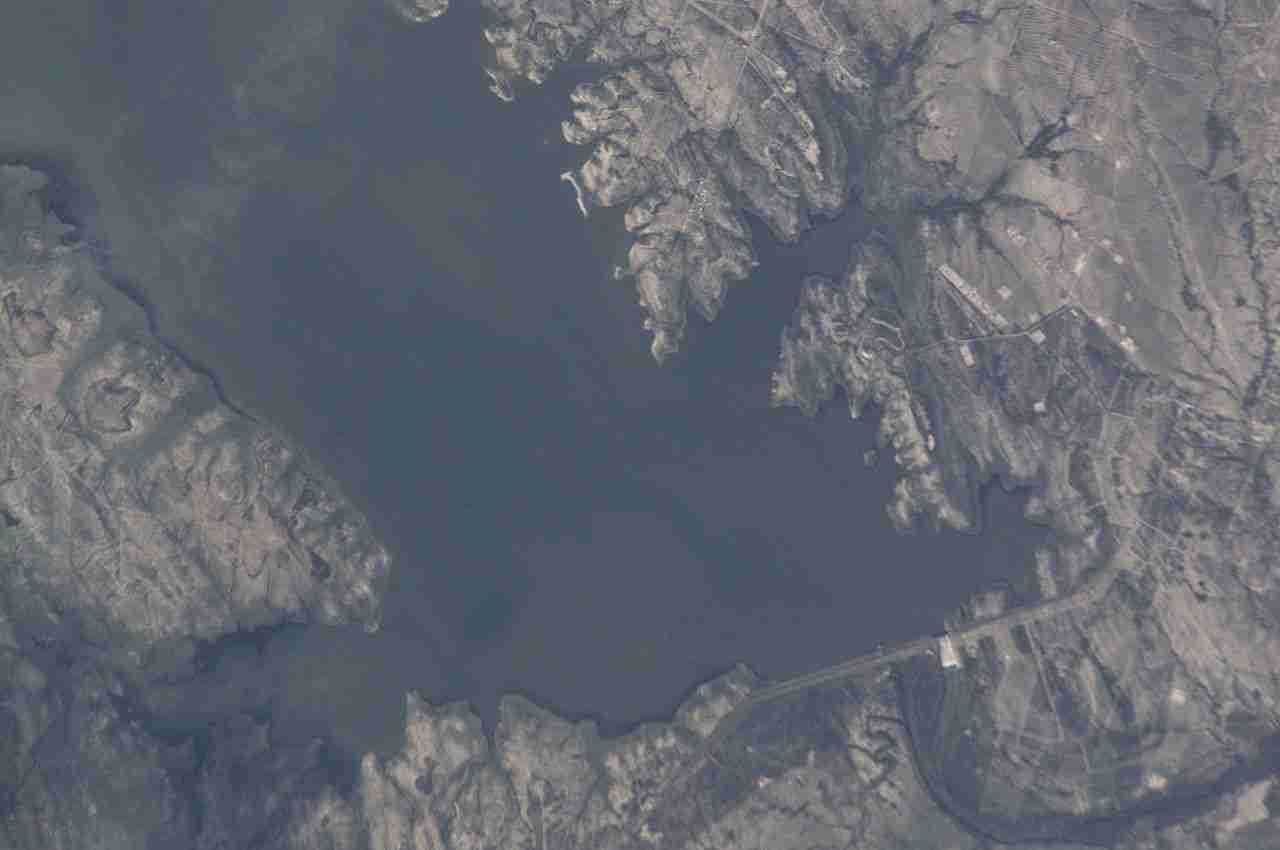
Falcon Dam and International Reservoir
Map:
Sorry, no records were found. Please adjust your search criteria and try again.
Sorry, unable to load the Maps API.
Falcon Heights
Texas
78545
United States
Yes
- Fishing
- Boating
- Camping
- Wildlife Viewing
- Boat Ramps
- Camping Sites
- Restrooms
- Picnic Areas