

The Pease River is a modest yet historically significant river in north-central Texas. Stretching about 100 miles, it flows eastward from its source near the eastern edge of the Llano Estacado in Cottle County and empties into the Red River northeast of Vernon. Though not a large river by Texas standards, it weaves through rolling plains and grasslands that define much of the state’s ranch country. Its presence supports local ecosystems, provides limited water for nearby agricultural use, and continues to shape the rural landscapes it passes through.
Origin of the Name
In 1856, Texas surveyor Jacob de Córdova named the river in honor of Elisha M. Pease, the state’s fifth governor. Pease was known for promoting education, infrastructure development, and public land management during his terms in office. The river’s naming reflected a period of expanding settlement and territorial mapping in the mid-19th century, when explorers and surveyors were charting the lesser-known stretches of Texas terrain.
Historical Significance
The Pease River is perhaps best remembered for the 1860 event known as the Battle of Pease River. This engagement between Texas Rangers, U.S. soldiers, and a small Comanche band led to the recapture of Cynthia Ann Parker, who had been kidnapped by the Comanche more than two decades earlier. Her rescue became one of the most widely reported incidents of frontier Texas, symbolizing the era’s conflict between settlers and Native American tribes.
Before European settlement, the Pease River region was home to Native American tribes, including the Comanche and Wichita peoples. They depended on its waters for sustenance and used the surrounding plains for hunting. Evidence of their presence remains part of the region’s cultural and historical landscape.
Geography and Environment
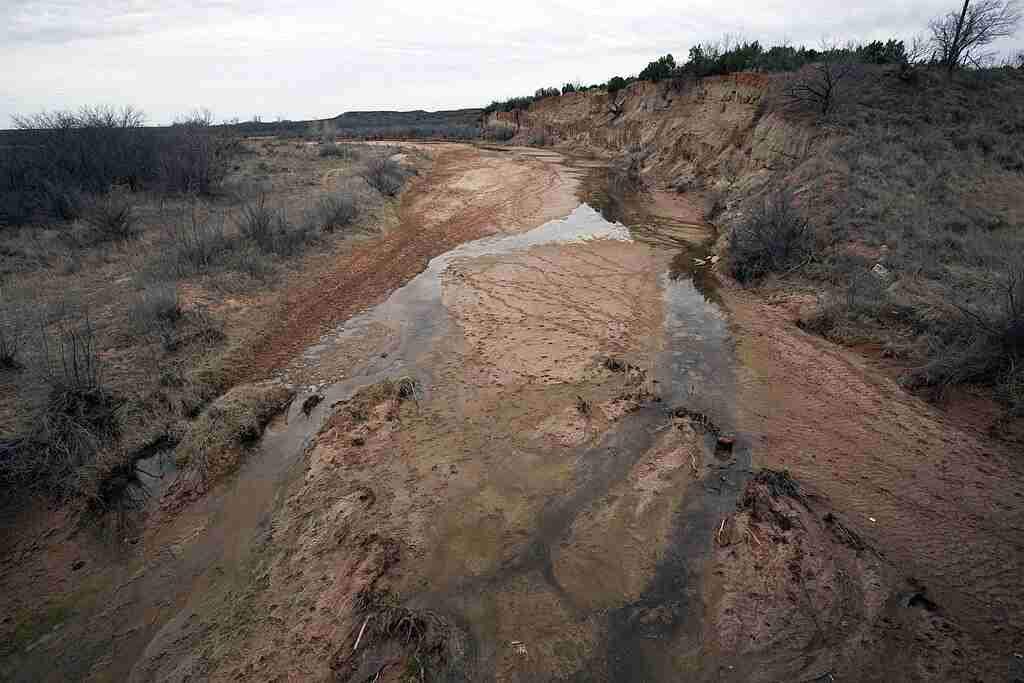
The Pease River flows through portions of Cottle, Foard, Hardeman, and Wilbarger counties. Its watershed includes several tributaries such as the North and Middle Pease Rivers. The surrounding terrain is primarily shortgrass prairie with scattered mesquite, cactus, and cottonwood trees near the water. The river’s flow is seasonal, often reduced during dry months, yet its presence provides essential riparian habitat for wildlife.
Although not heavily developed for recreation, the Pease River area attracts visitors for fishing, hiking, and photography. Anglers may find species like catfish and bass in deeper pools, while birdwatchers appreciate the diversity of raptors and songbirds that inhabit the valley.
Legacy and Modern Importance
Today, the Pease River stands as a reminder of the intersection between Texas history and natural beauty. It remains part of the state’s network of waterways that sustain both local ecology and heritage tourism. While smaller than rivers like the Brazos or Colorado, the Pease continues to hold cultural and environmental value for those who live near its banks or trace its story through Texas history.
Photos:
Map:
Sorry, no records were found. Please adjust your search criteria and try again.
Sorry, unable to load the Maps API.
Harrold
Texas
76364
United States
Yes
- Fishing
- Hiking
- Bird Watching
- Picnic Areas
- Restrooms
- Trails
Leaflet, North Pease River, Cottle County, Texas, CC BY-SA 4.0