The Gladys Porter Zoo in Brownsville, Texas opened its gates to the public on September 3, 1971. It is set on 31 acres of land in central Brownsville. The zoo was completely planned, built, stocked and equipped through the Earl C. Sams Foundation, and then gifted to the City of Brownsville. The park takes its name from Gladys Porter, a wildlife-enthusiast daughter of Earl C. Sams who helped conceptualize the project.
The facility gained accreditation from the Association of Zoos and Aquariums (AZA) in 1978.
Campus and Animal Collection

The zoo covers about 31 acres and houses roughly 1,600 individual animals representing around 400 species (including around 47 endangered species). The grounds feature botanical plantings (including more than 225 species of plants) and are organised geographically into major exhibit zones such as Africa, Asia, Tropical America and Indo-Australia. Visitors will find specialized facilities like a herpetarium, aquatic centre, free-flight aviary, a pet-animal contact yard and a butterfly garden.
Within a short ¾-mile stroll, guests can encounter the full collection of approximately 377 animal species and 225 plant species in immersive, landscape-style exhibits.
Conservation, Education and Special Achievements
Gladys Porter Zoo emphasises three missions: conservation of threatened and endangered species, education of the public, and healthy outdoor recreation. It participates in breeding and research programmes for species such as Kemp’s ridley sea turtles (in conjunction with U.S./Mexico efforts), Philippine crocodiles, and western lowland gorillas. One of its standout achievements has been the successful first-ever zoo breeding of the endangered Jentink’s duiker.
Educational programmes include youth summer workshops and seasonal classes dating back to 1978. The zoo’s landscape-style exhibits earned it the “Texas Building Branch of Associated General Contractors Outstanding Construction Award” in 1979 in recognition of its innovative design.
Visitor Experience and Notable Facts
Visitors to the zoo can experience a variety of habitats from tropical birds to large mammals, reptiles and amphibians, in a subtropical South Texas setting that allows for outdoor exhibits year-round. Average annual attendance is over 424,000 visitors, though the figure has varied year to year. The facility is owned by the city and operated by the Valley Zoological Society under board governance. One prominent animal born here was the western lowland gorilla Harambe, who was born at Gladys Porter Zoo on May 27, 1999, before being transferred later to another facility.
Legacy and Regional Role
Over its five decades, the zoo has grown into a key wildlife conservation institution in the Rio Grande Valley. Because of its location near the U.S.–Mexico border, it also plays a role in regional wildlife rehabilitation. The combination of zoological and botanical elements adds a layered experience for visitors and emphasises habitat-style design rather than traditional cage exhibits. The design and construction of the zoo were ahead of their time when it opened, and its long-term endowment and funding structure have allowed for continuous improvements and exhibit expansions over the years.
Photos:
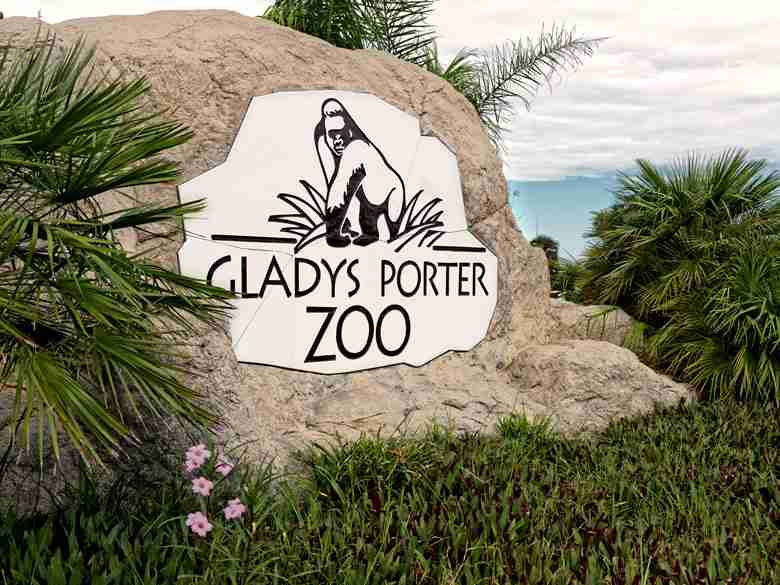
Gladys Porter Zoo
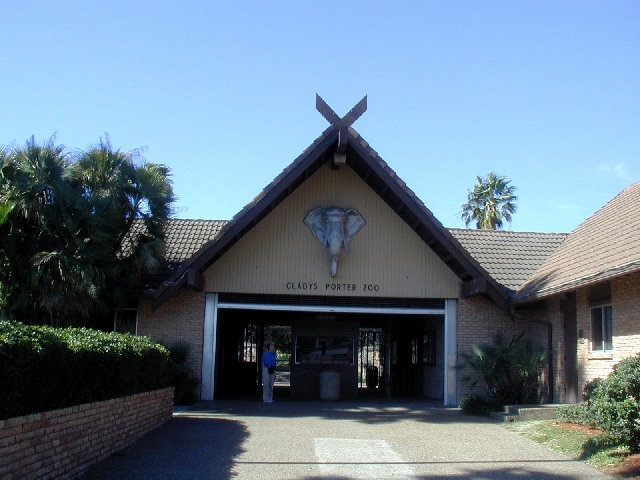
Gladys Porter Zoo