
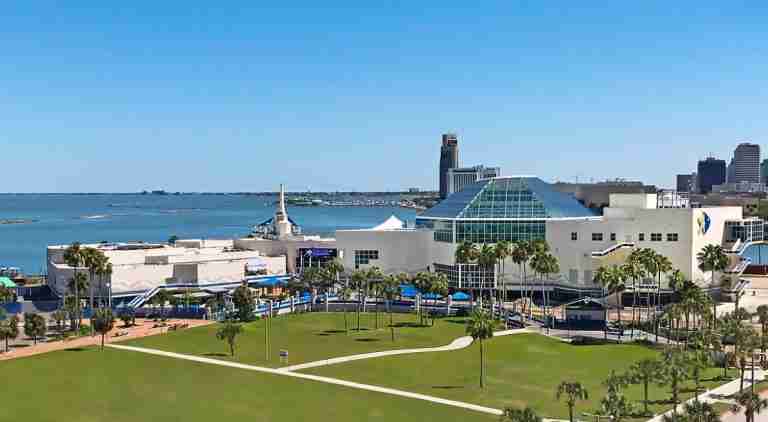
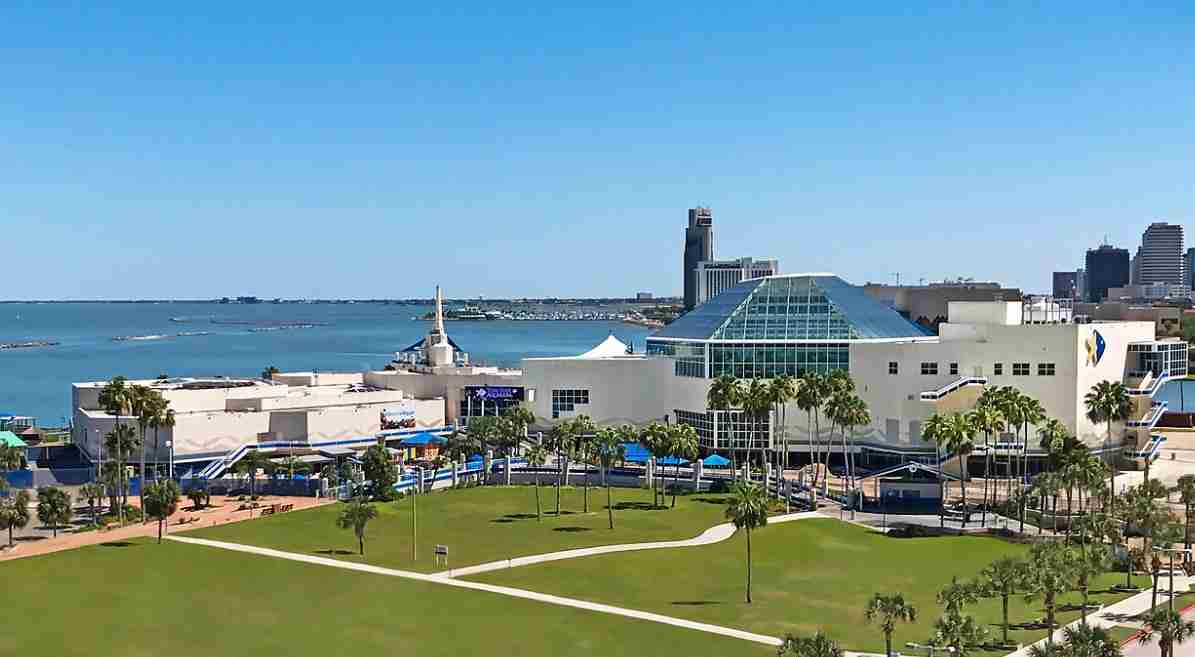
The Texas State Aquarium in Corpus Christi opened its doors on July 6, 1990, as a nonprofit organization dedicated to conserving and rehabilitating the wildlife of the Gulf of Mexico. Its mission focuses on engaging people with animals, inspiring appreciation for the sea, and supporting long-term wildlife conservation. Over the decades, the aquarium has grown into one of the largest in Texas and the United States, recognized for its commitment to environmental education, marine research, and rescue operations. It has been accredited by the Association of Zoos and Aquariums (AZA) since 1995, a mark of excellence in animal care and conservation practices.
The Caribbean Journey Expansion
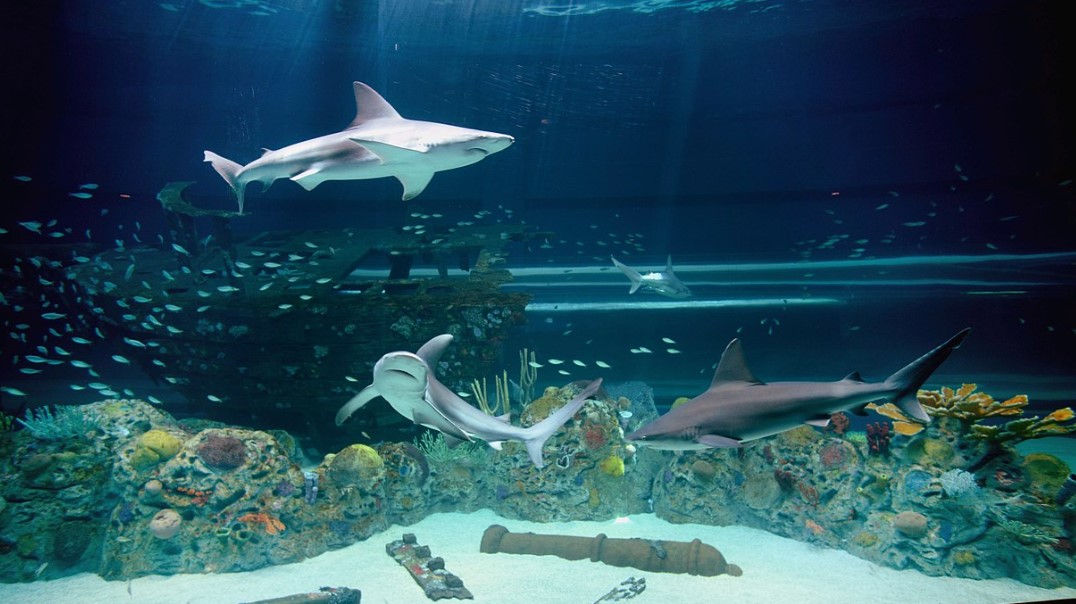
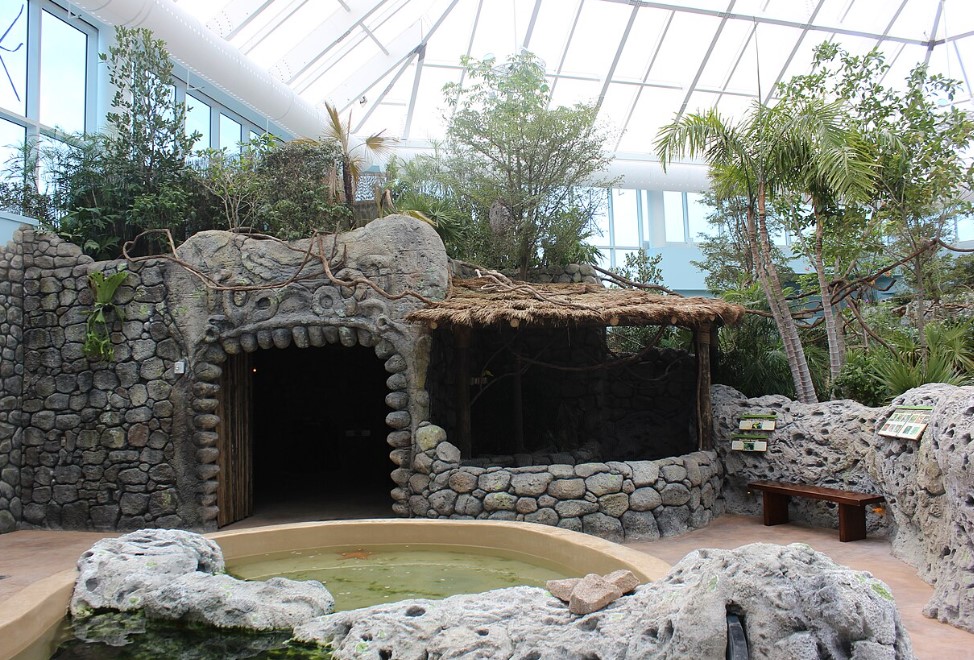
A major milestone for the Texas State Aquarium came in 2017 with the opening of the Caribbean Journey expansion. This addition introduced visitors to the ecosystems of the Western Caribbean, featuring the 400,000-gallon H-E-B Caribbean Sea exhibit. Inside, sandbar sharks, stingrays, and tropical fish glide through the water, surrounded by vibrant coral displays that showcase the delicate balance of marine life. The expansion also includes a rainforest habitat filled with free-flying birds and reptiles, emphasizing the connection between land and sea environments.
Dolphin Bay and Marine Encounters
Dolphin Bay remains one of the most popular attractions at the aquarium. This 400,000-gallon saltwater habitat is home to Atlantic bottlenose dolphins, allowing visitors to watch these intelligent animals up close through underwater viewing windows and interactive presentations. Other notable exhibits include Stingray Lagoon, where guests can touch and feed gentle stingrays, and the Hawn Wild Flight Theater, which hosts live presentations featuring trained birds and small mammals. These programs help guests understand animal behavior, habitat conservation, and the importance of protecting ecosystems across Texas and beyond.
Wildlife Rescue and Rehabilitation
Beyond its exhibits, the Texas State Aquarium plays a vital role in wildlife rescue. Since becoming a federally permitted rehabilitation facility in 1993, its Wildlife Rescue Center has treated thousands of injured or stranded animals, including sea turtles, shorebirds, raptors, and marine mammals. The facility provides medical care, recovery, and eventual release for animals found along the Gulf Coast. Its staff also responds to environmental emergencies, such as oil spills, assisting with animal rescue and rehabilitation operations.
Education and Community Impact
Education is at the heart of the aquarium’s mission. Programs for school groups, families, and educators introduce visitors to marine science, conservation careers, and sustainable living practices. Interactive learning spaces, field trips, and camps encourage hands-on participation, making science both engaging and relevant. The aquarium also partners with universities and conservation groups to advance marine research and public awareness about environmental stewardship.
Land Meets Sea
While the aquarium is best known for its marine life, it also highlights the connection between coastal land and ocean habitats. Terrestrial species such as ocelots and North American river otters are part of its collection, showing how interconnected ecosystems sustain one another. This approach helps visitors appreciate that protecting the Gulf of Mexico also means caring for the lands and rivers that feed into it.
A Coastal Treasure
Today, the Texas State Aquarium stands as a leading institution for marine education and conservation in the Gulf region. It continues to expand its exhibits, refine its rescue capabilities, and inspire visitors to protect the natural world. Through immersive displays, dedicated staff, and community engagement, it offers a powerful reminder of Texas’s deep ties to the sea.
Photos:
Texas State Aquarium
Texas State Aquarium
Texas State Aquarium
Map:
Sorry, no records were found. Please adjust your search criteria and try again.
Sorry, unable to load the Maps API.
Corpus Christi
Texas
78402
United States
Pets are not permitted within the aquarium to ensure the safety and well-being of both the animals and visitors. Service animals are allowed in accordance with ADA guidelines.
-
Exhibits: Explore various habitats, including the Caribbean Sea, Islands of Steel, and Dolphin Bay, each showcasing unique marine life.
-
Interactive Experiences: Participate in hands-on activities like touching stingrays at Stingray Lagoon and engaging with jellyfish at the Tentacles exhibit.
-
Educational Presentations: Attend live shows at the Hawn Wild Flight Theater, featuring trained birds and mammals, and learn about wildlife conservation efforts.
-
Dining: On-site cafes and snack bars offer a variety of food and beverage options for visitors.
-
Gift Shop: A retail store provides souvenirs, educational materials, and marine-themed merchandise.
-
Accessibility: The facility is designed to accommodate guests with disabilities, ensuring an inclusive experience for all visitors.
-
Parking: Ample on-site parking is available for guests.